For decades, the idea of flying cars belonged to science fiction. It appeared in films and television as a shorthand for a future that had not yet arrived.
On 15th of October, Tesla brought a version of that imagination into the physical world. At a SpaceX testing facility in McGregor, Texas, the second-generation redesigned Roadster drove upside down, left a ramp, turned in mid-air and landed using compressed-air thrusters. It was not the arrival of a flying car promised by science fiction, but it was a glimpse of how close the automobile industry might now be willing to get to it.
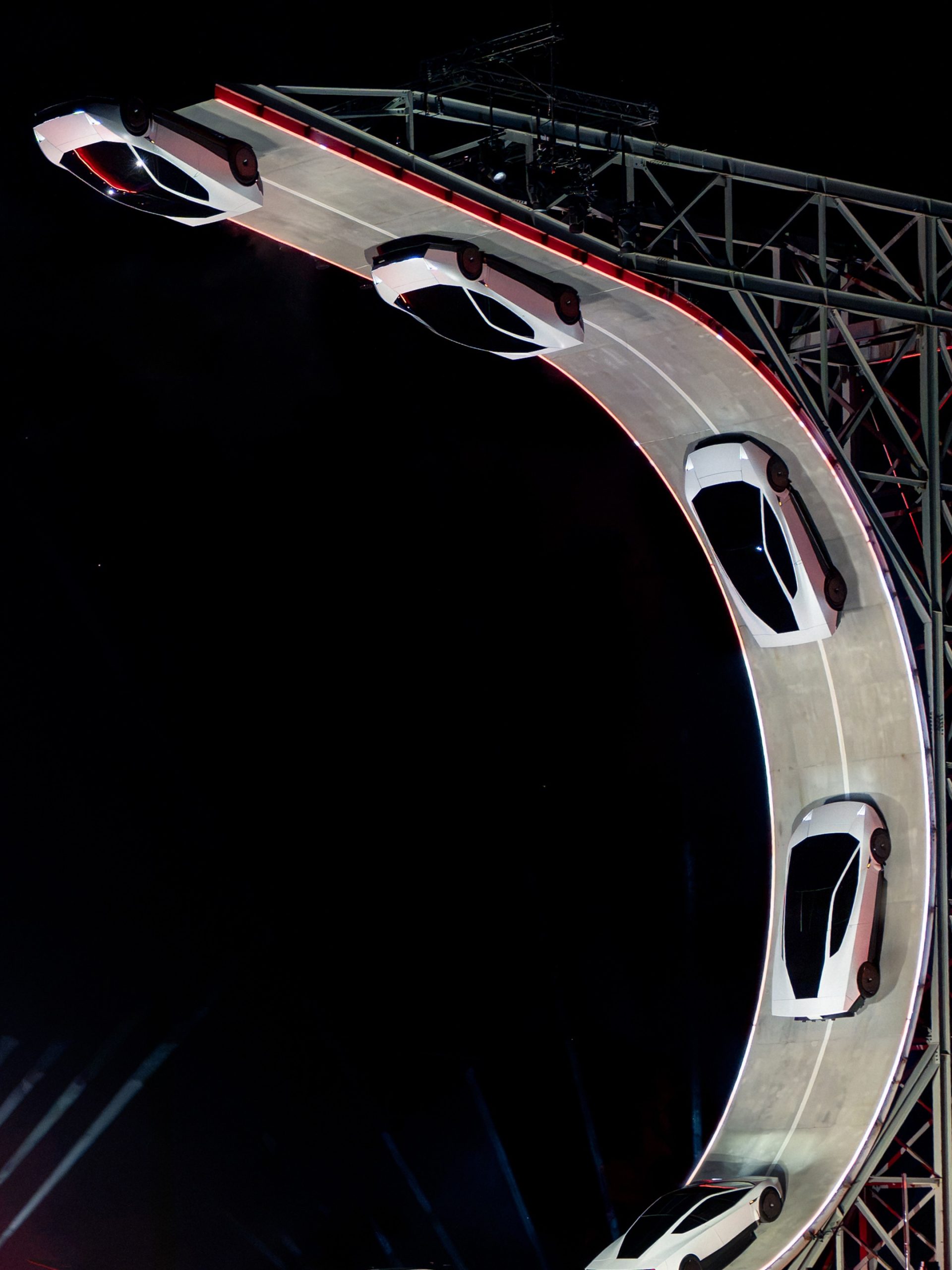
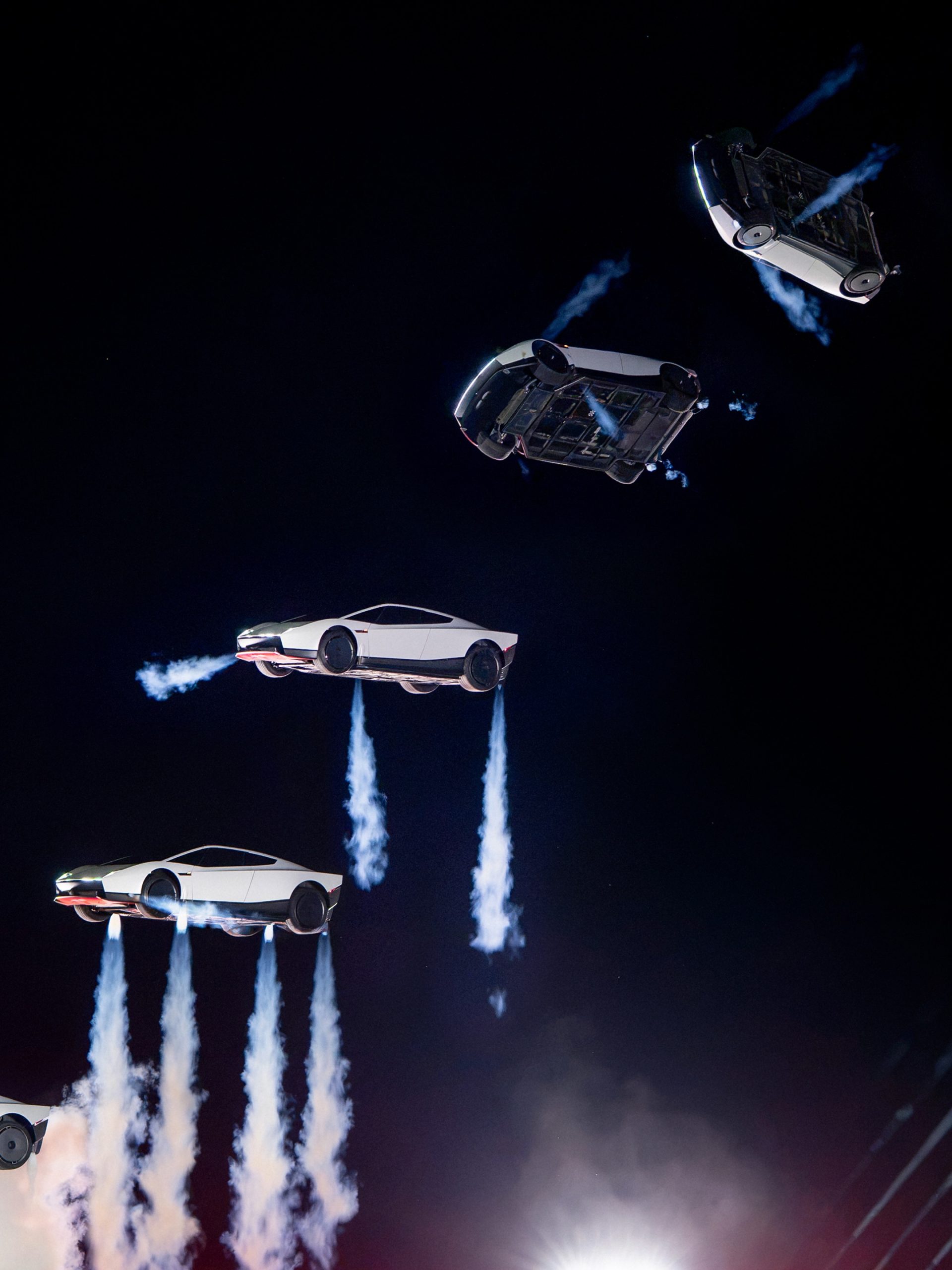
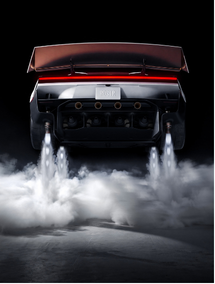
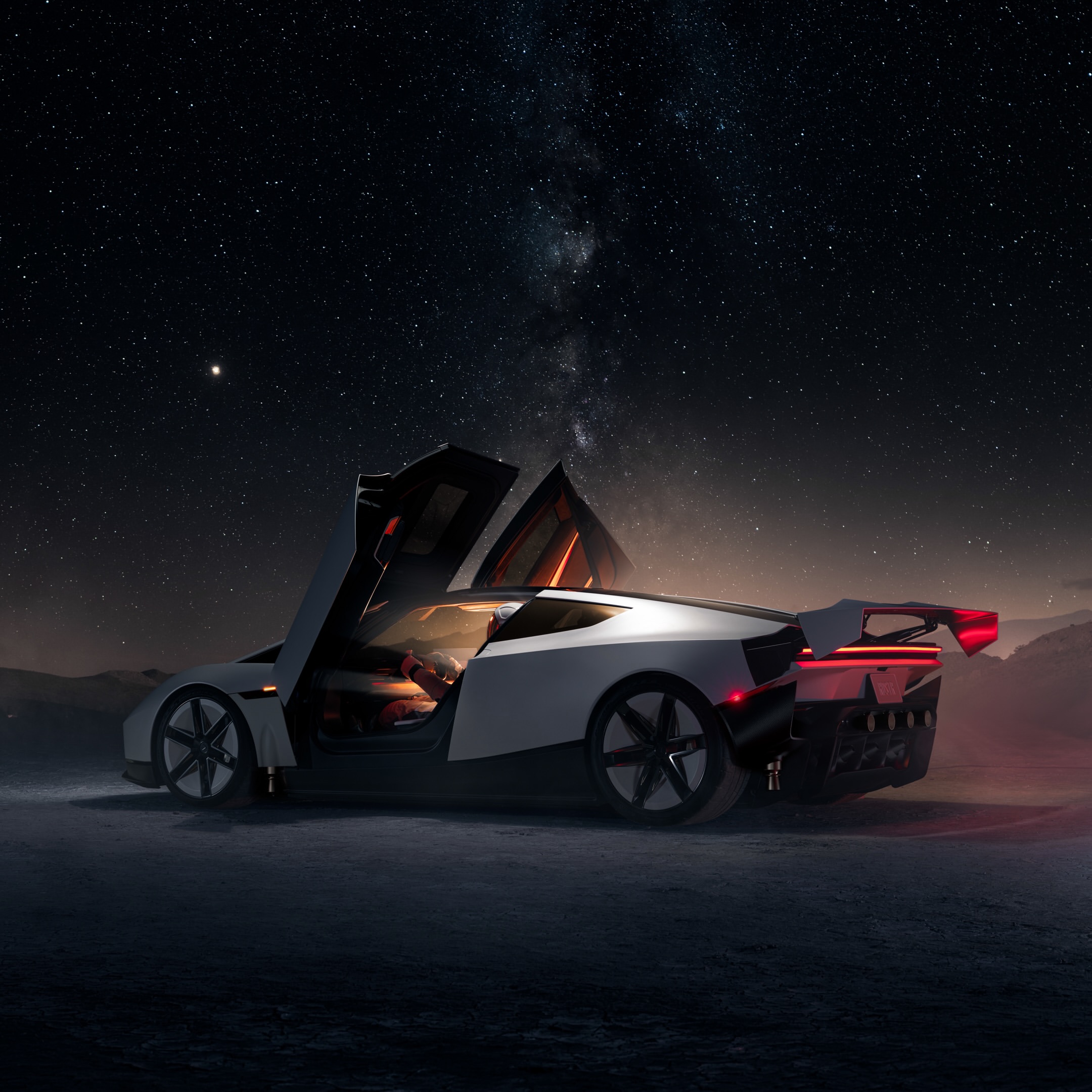
A once-speculative concept now enters the automotive reality through Tesla’s collaboration with SpaceX, using principles of rocket propulsion and cold-gas thrusters, bringing a new kind of mobility within reach. Courtesy, Tesla
The significance of the Roadster, however, extends beyond the spectacle of watching a car fly. It lies in what the moment reveals about the changing possibilities of the automobile. When Tesla introduced its first Roadster in 2008, the idea of an electric car was still largely associated with compromise: Efficiency over performance, and practicality over desire. The Roadster, however, changed that perception. Built on a Lotus-derived chassis and capable of reaching 60 mph in 3.8 seconds, it demonstrated that an electric motor could belong in the vocabulary of a sports car.
Nearly two decades later, the question has changed. Tesla no longer needs to attest that an electric car can be fast. The new Roadster is instead asking how far the definition of automotive performance can be stretched.
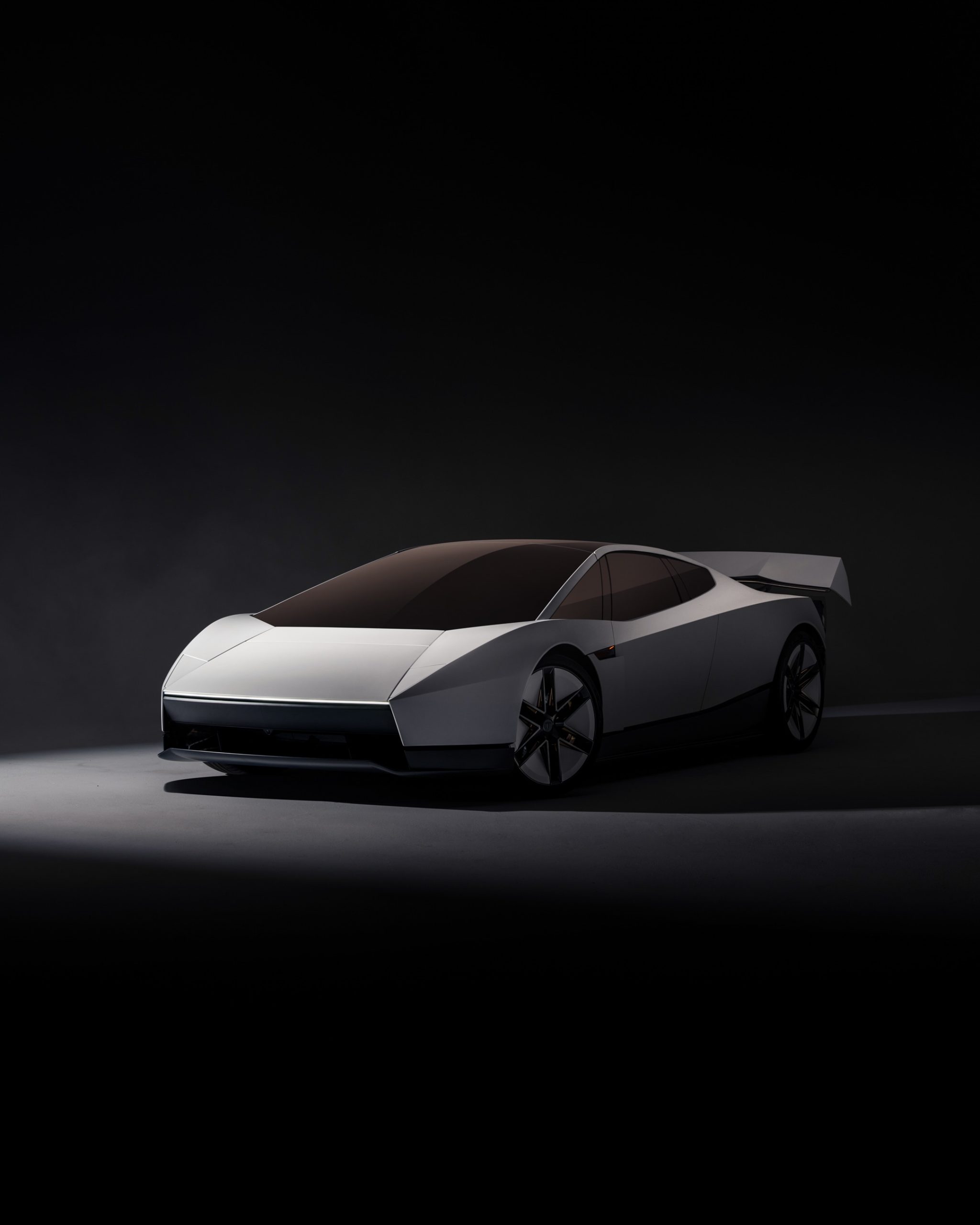
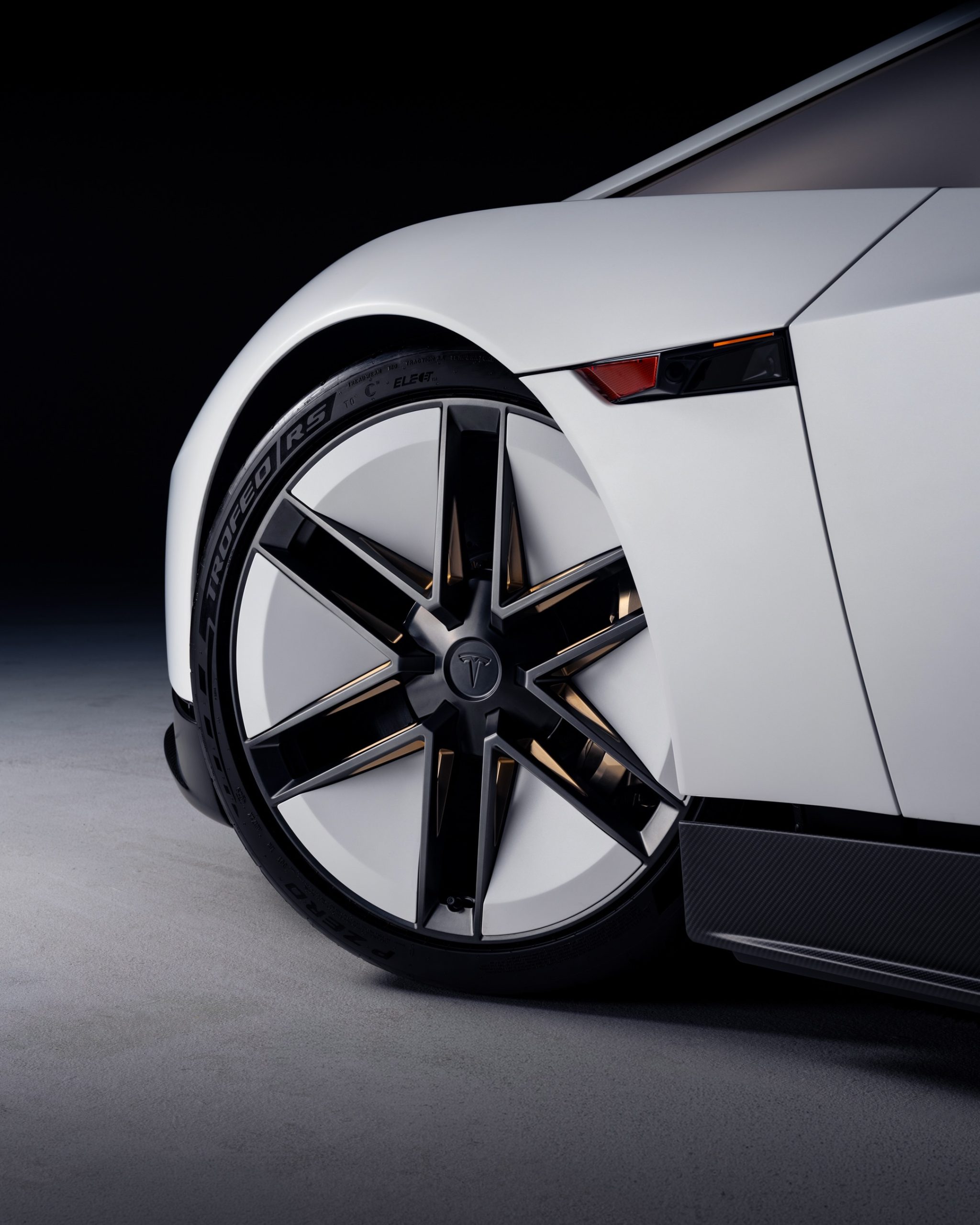
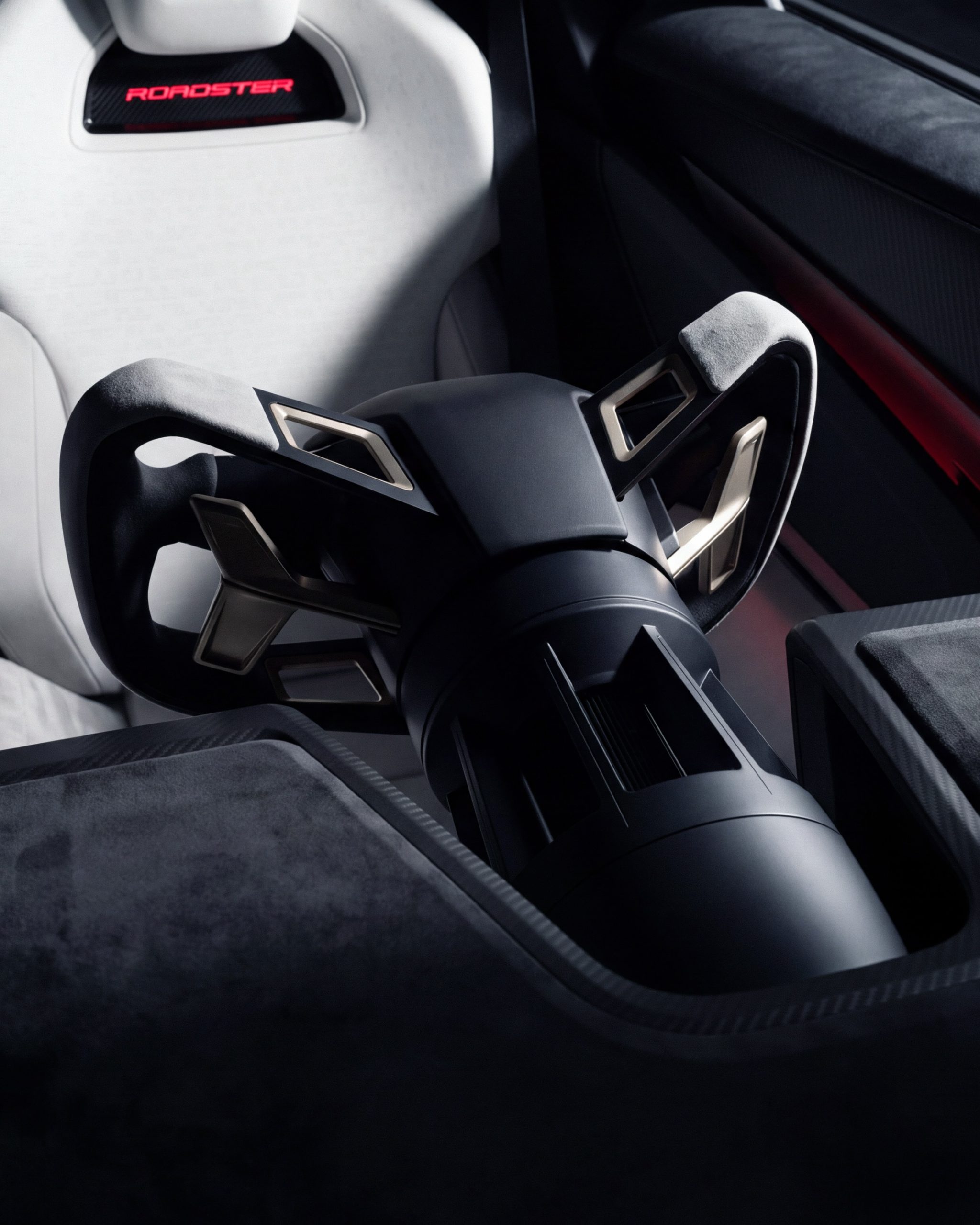
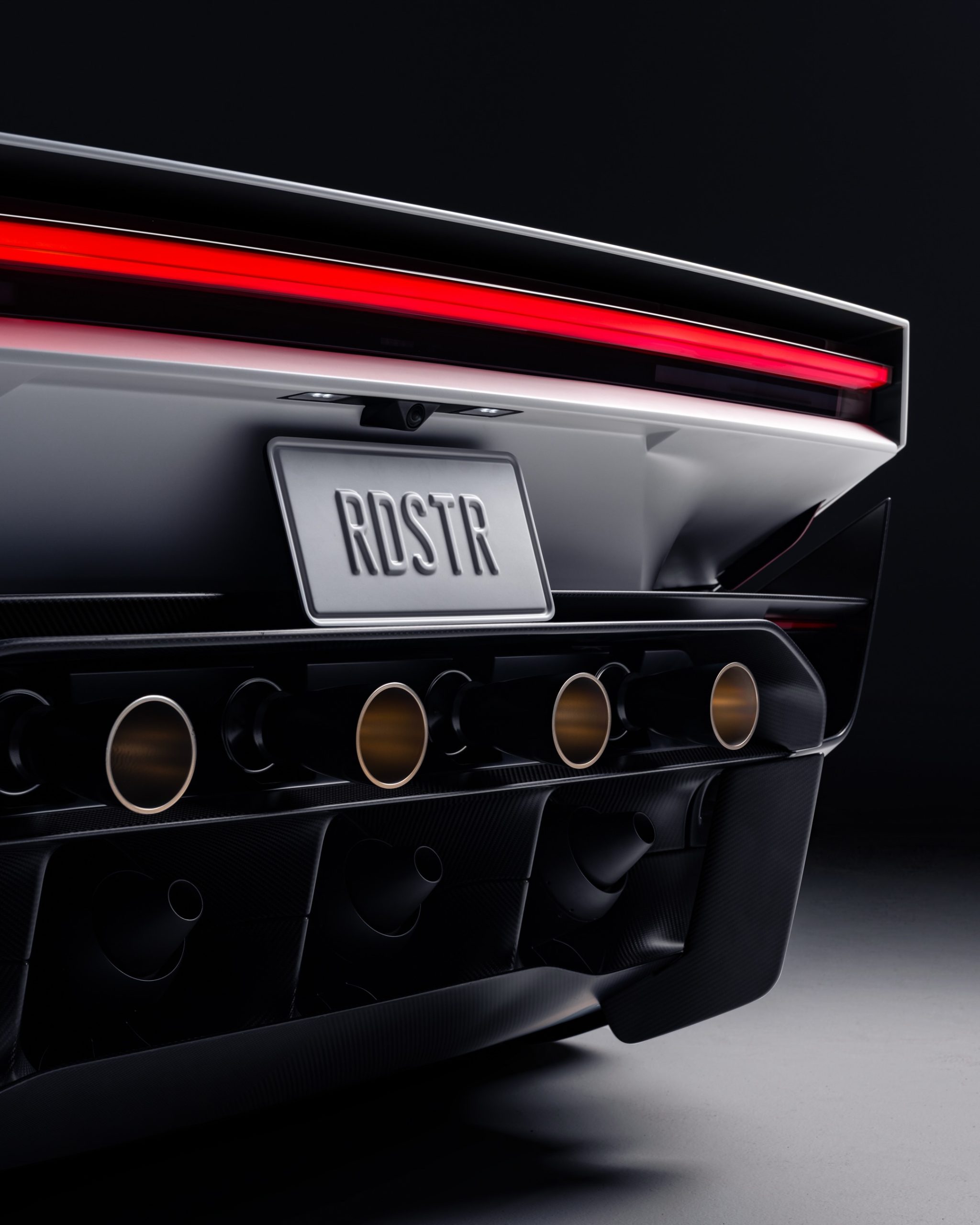
The new Roadster moves beyond conventional sports-car design, with a low, aerodynamic form that balances visual appeal with performance and function. Courtesy, Tesla
Designed by Tesla’s chief designer Franz von Holzhausen, the new Roadster has abandoned the softer curves of its earlier iteration for a low, angular silhouette. Its design draws inspiration from aerospace, with the SR-71 Blackbird and F-35 among its references, and a focus on cars that transform. The 1976 Lotus Esprit S1 from The Spy Who Loved Me that famously transformed into a submarine on screen, was yet another influence acting as an appropriate lineage for a car whose capabilities now extend beyond the conventional road car. The technology echoes the visual language: Suction fans allow the Roadster to remain attached to a surface while inverted, while optional cold-gas thrusters, developed through its relationship with SpaceX, allow the most extreme version to perform brief airborne manoeuvres. Tesla has announced three configurations, culminating in the single-seat Rocket version with a full flight system. The Rocket is not yet approved for public-road use, however, and the vehicle demonstrated in Texas remains a prototype, with production targeted for 2028.
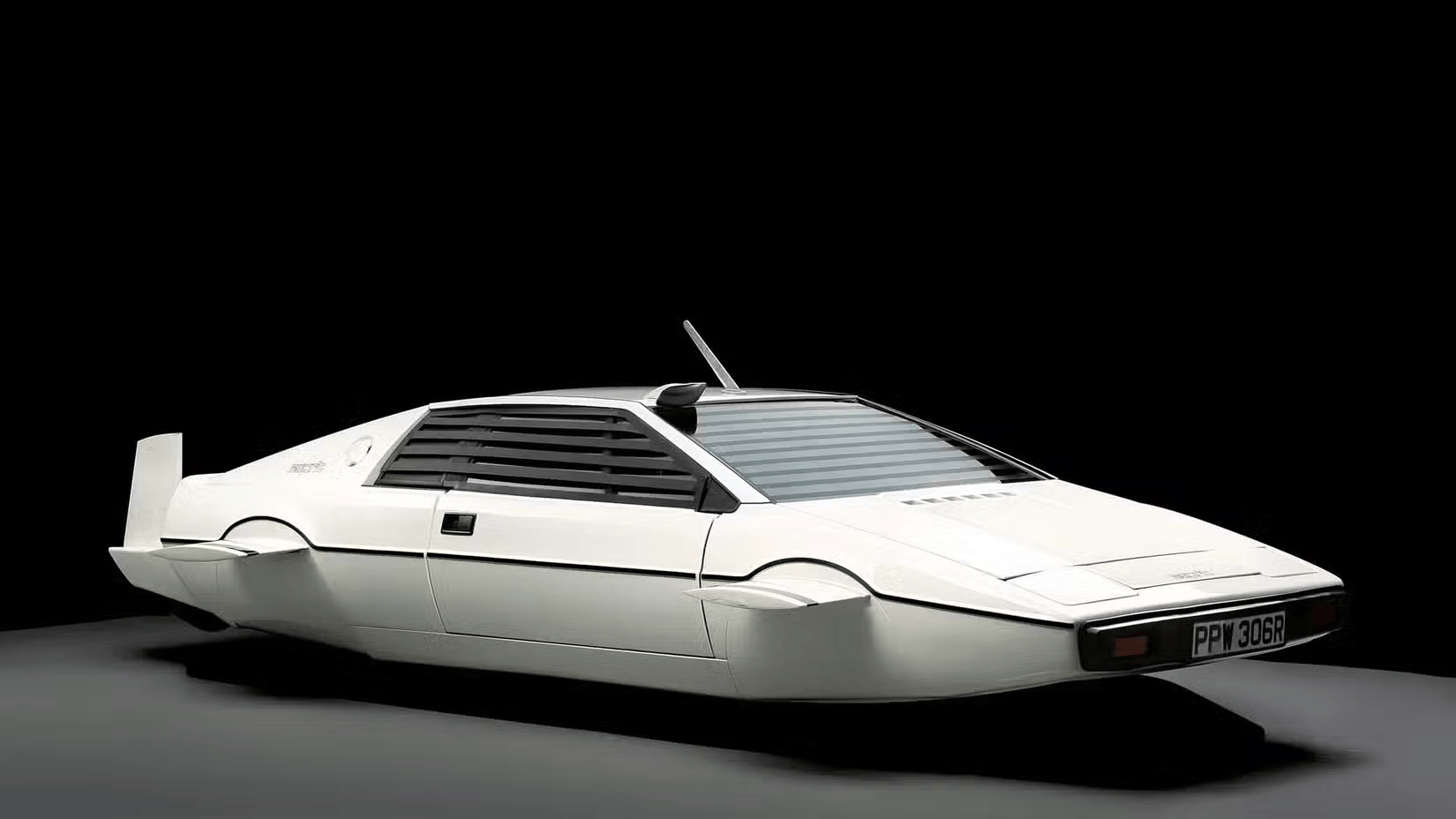
Nicknamed ‘Wet Nellie’, the 1976 Lotus Esprit S1 was built by retired Navy SEAL officer Don Griffin and transformed into a submarine for The Spy Who Loved Me, setting an early precedent for cars that could do more than stay on the road
What makes the Roadster interesting, then, is not simply that a car briefly left the ground. It is the convergence of disciplines that were once kept apart. The automobile has moved from being primarily a means of transportation to becoming an object of design, status and performance.
The setting of the reveal made that convergence almost literal. The Roadster was unveiled at a SpaceX facility, bringing Tesla and SpaceX technologies into the same frame. It is an unusual example of how the boundaries between industries can become porous when different forms of transportation begin to share technological ambitions.
The 15 October reveal put this unlikely meeting of automotive and aerospace engineering into motion. Whether Tesla can translate the Roadster’s ambitions into a production car is another matter. The company has set 2028 as the target, and its history of delayed timelines makes that date as much a point of anticipation as a promise. For now, the Roadster exists somewhere between what has been engineered and what is yet to be realised. The next measure of its significance will not be how spectacularly it performs on a test track, but whether it eventually makes its way onto the road.
Words by Aditi Veer
Featured image courtesy of Tesla Motors