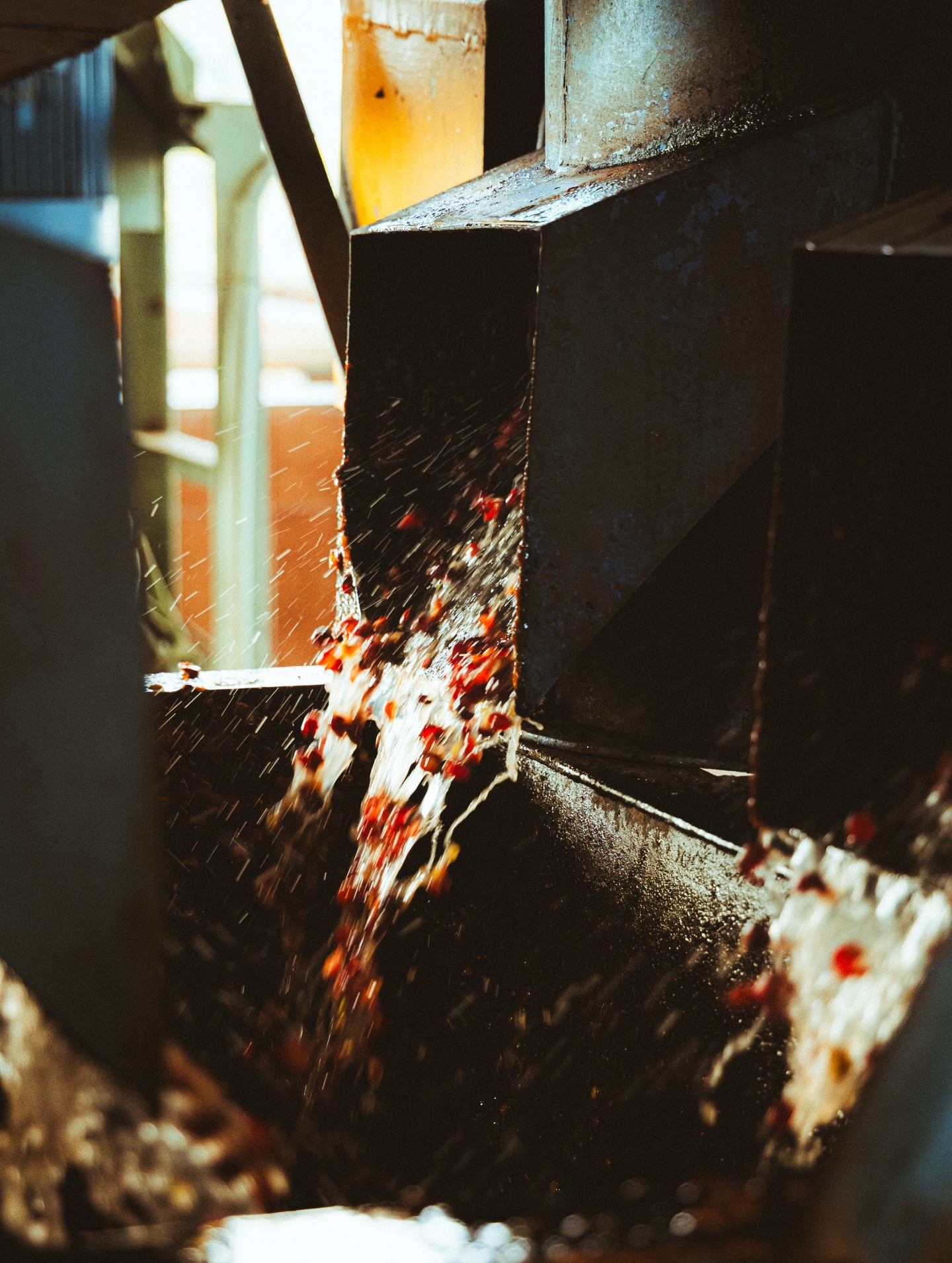
When you’re in the business of coffee, patience is half the trade. The fruit itself takes three to four years to mature, though things do pick up some pace after that. The picked cherries need 16 to 36 hours to ferment, somewhere between 10 days and two weeks to dry before roasting, and even before you could grab your morning cup, at least a few minutes for the blend to arrive at the desired taste. With coffee, waiting is a non-negotiable, and Rishwin Devaya understood that. The fifth-generation coffee planter from Siddapur, Coorg, manages his 19th century family estate that sits by Cauvery, aptly named Riverside. Under him, the estate started selling coffee blends in 2016 after sensing a growing demand for homegrown coffee. But for the most part, it seemed he was waiting for people to recognise the extent of the beverage’s versatility.
The wait ended in 2020, when a guest staying at the property offered to make him a cup using his own aeropress and blend of choice that he’d hauled with him all the way from Mumbai. Gone were the days Devaya would spend explaining the difference between arabica and robusta. It was a sign of the times. “People had arrived!” he says.
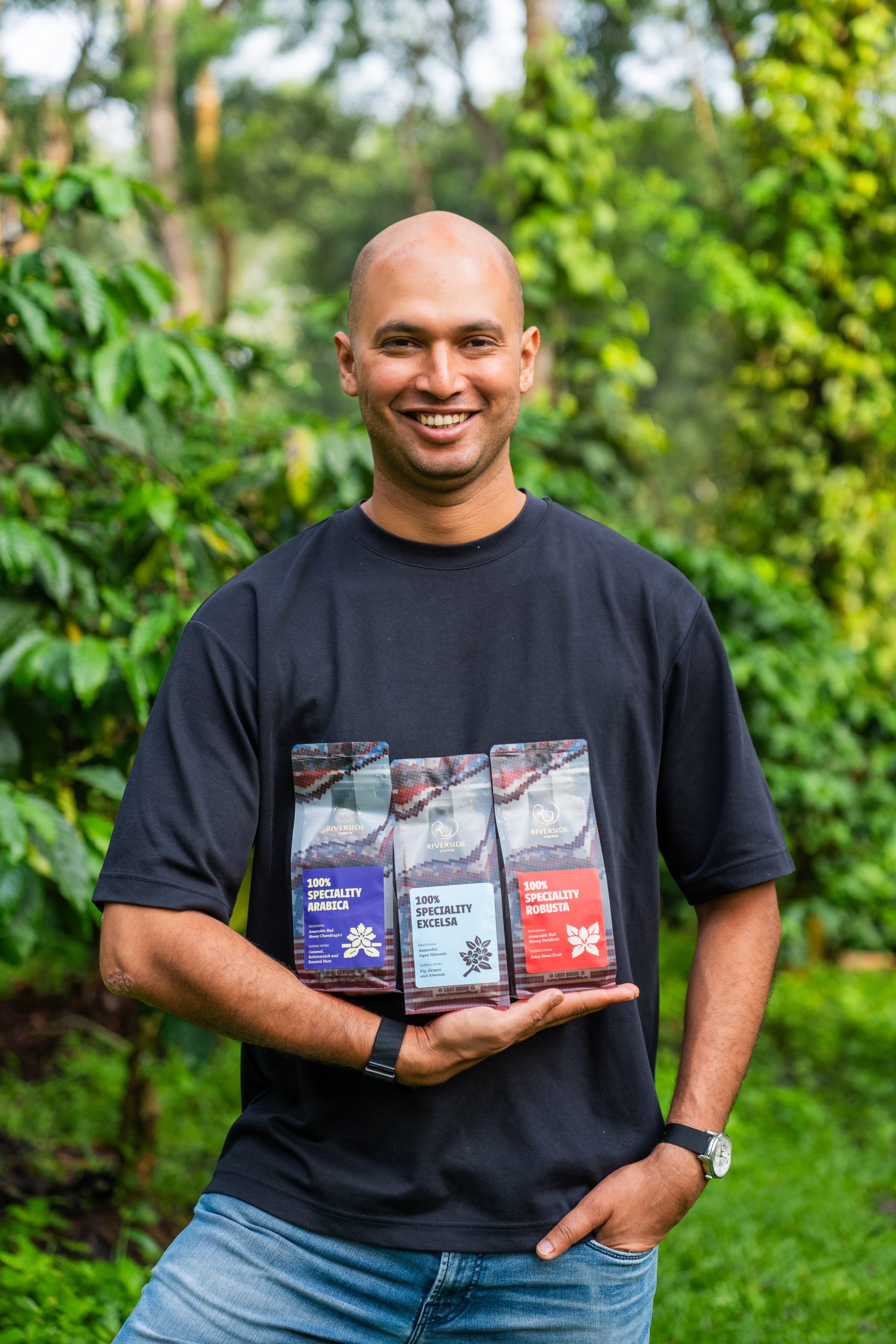
Riverside Coffee founder, Rishwin Devaya
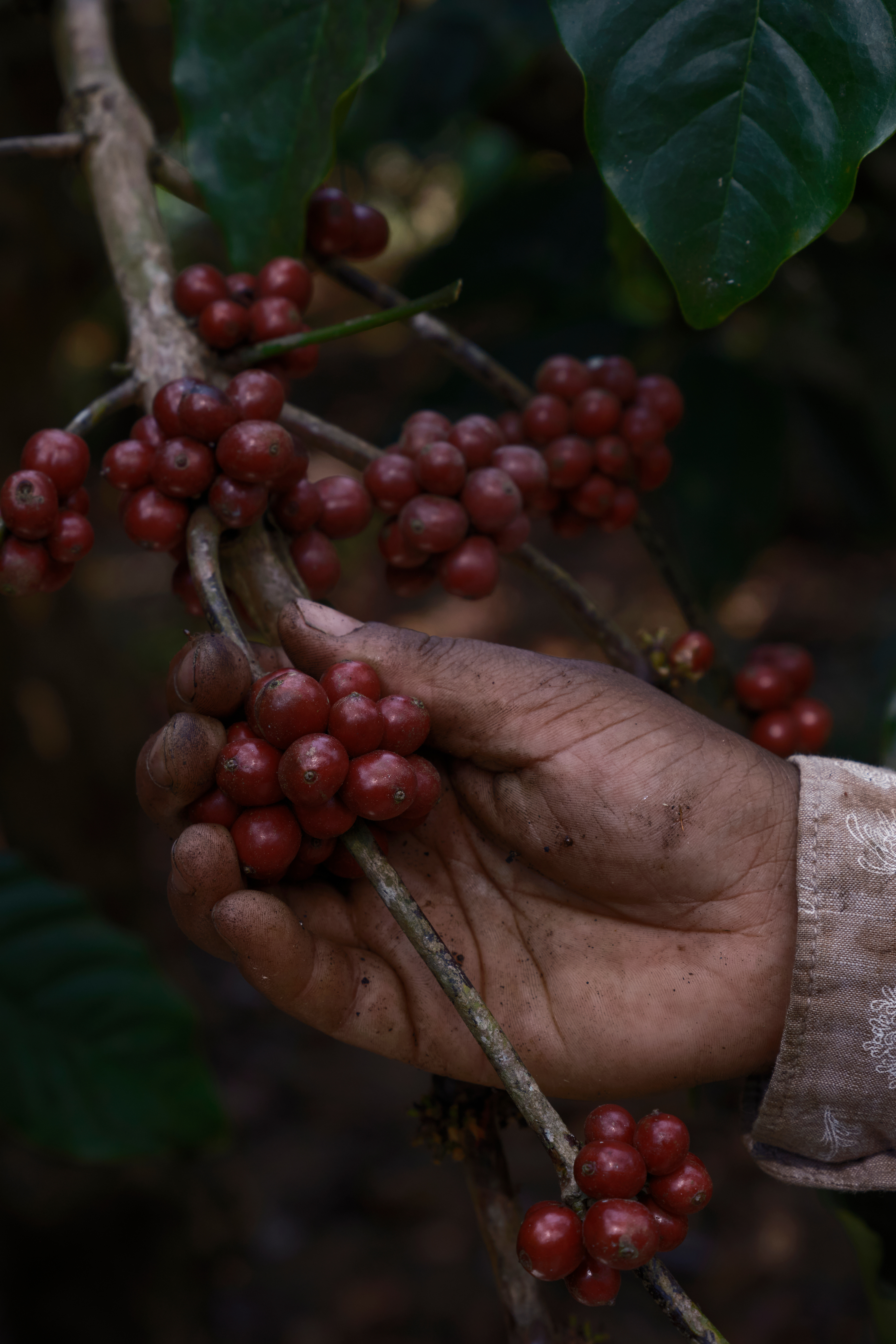
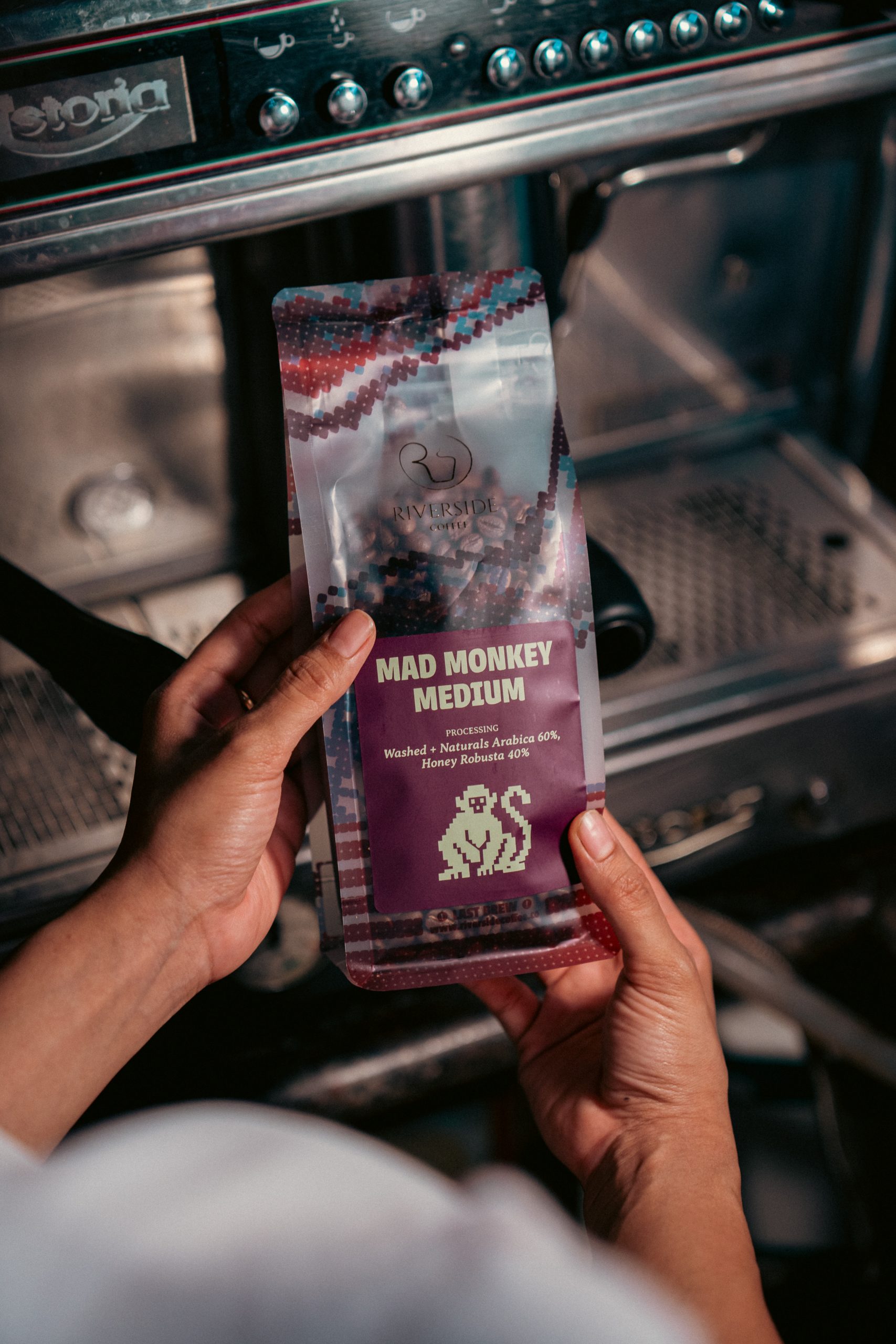
The brand pays homage to Coorg’s coffee legacy by bringing together several estates from the region for a special drop, Coffees of Coorg
That was six years ago. Since the pandemic, India has gone from being one of the biggest producers of coffee to a nation eager to experience the produce. A seismic shift from a steady reliance on filter coffee, and more widely accepted instant coffee, the third wave — led by brands like Blue Tokai, and quite literally Third Wave Coffee — ushered in an ecosystem of home brewers, experimental cafes stocked with house blends and complex machinery, and budding connoisseurs forming a community of javaphiles. This movement was reflected in the brand-consumer equation. And at the heart of this conversation was the estate — you couldn’t discuss coffee quality without discussing storing, sorting, temperature, and elevation.
Today, estates remain as relevant as ever, as a signifier of not only quality, but also a signifier of trust and transparency. The first story coffee brands tell now is that of their estate. The attention is valid. A coffee bean’s taste is determined by where and how it is grown.
The scandalous King Edward VII of England supposedly joked, “You can tell when you have crossed the frontier into Germany because of the badness of the coffee,” — expressing his discontent with the European country’s seemingly low standards for the beverage. “Prioritising estates is definitely a trend that has its origins in the West,” Devaya explains. None of the largest consumers of coffee have the climate that supports the cultivation of the coffee cherry. When you don’t grow your own produce, it becomes important to know where your food is sourced from.
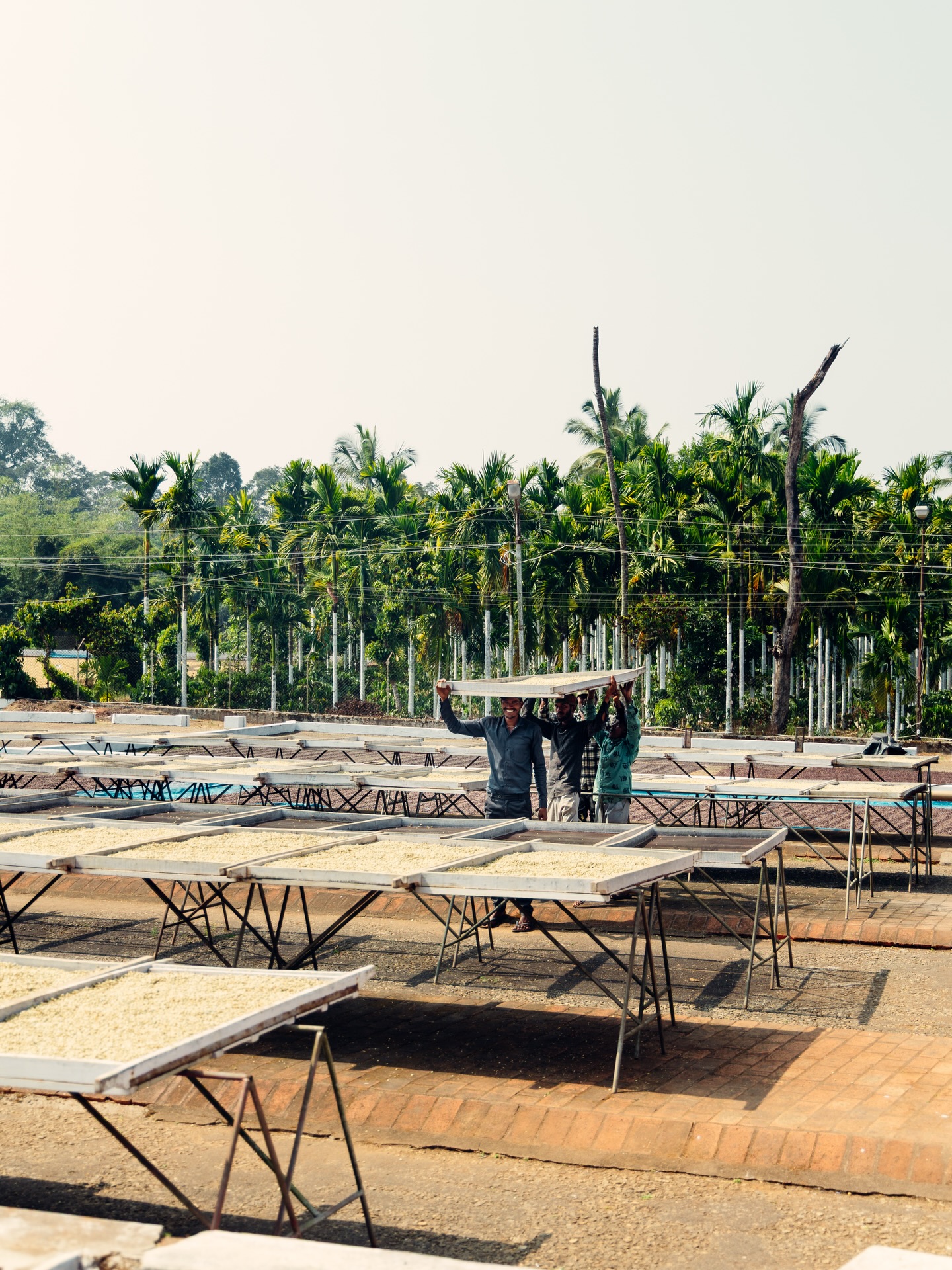
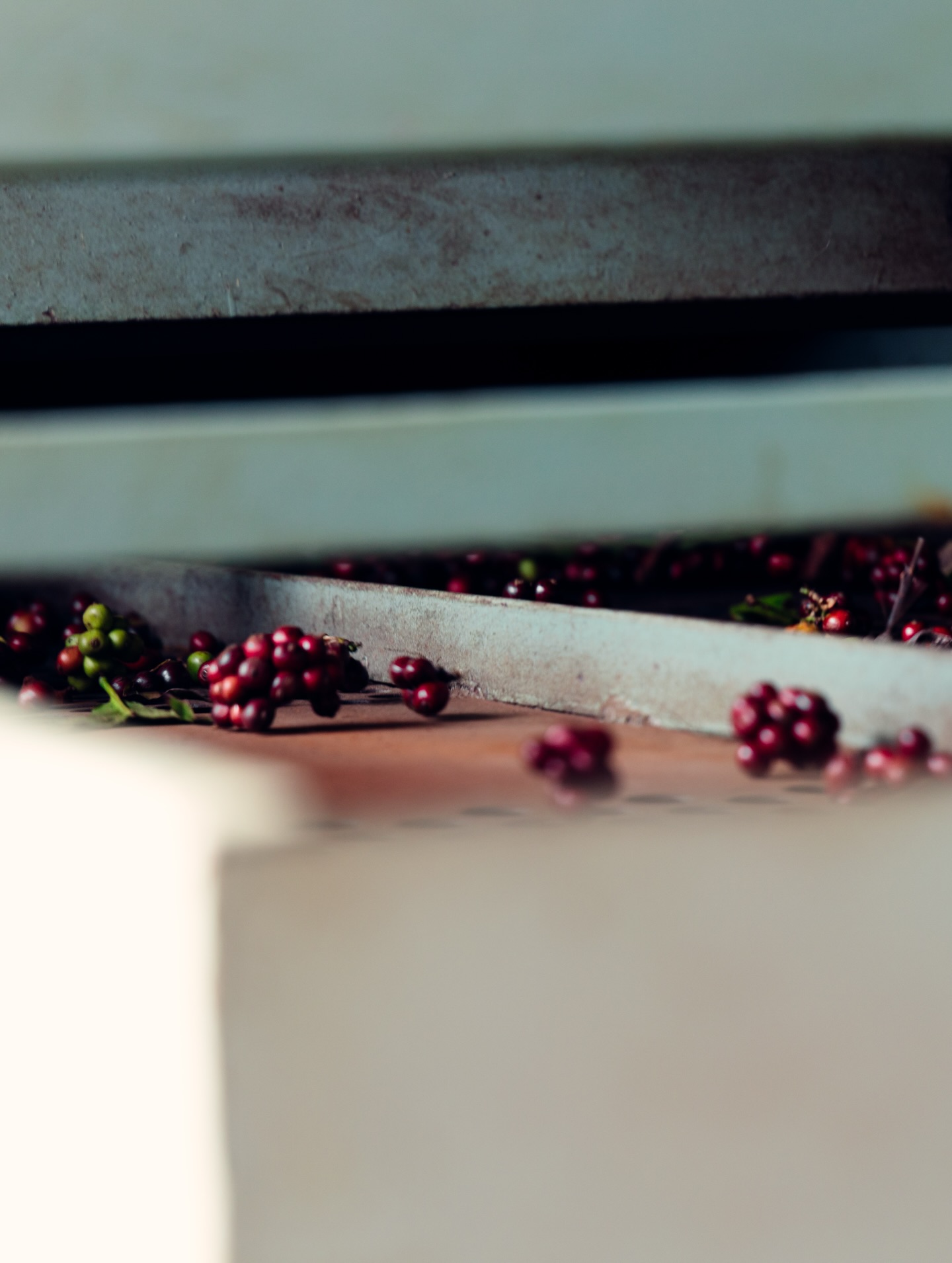
Persistent enquiries into sourcing processes from coffee enthusiasts has translated into brands like Badra Coffee adopting an estate-led storytelling approach. Courtesy, Badra Coffee, photographed by Hriday Gupta
On another level, it becomes a classifier of a wider food palette, or simply of taste. “Each region has a very distinctive and unique flavour profile,” Devaya points out. Browse your local roastery cafe and you’ll spot coffee blends from different regions, highlighted in bold: Chikkamagaluru’s chocolatey and caramel-like flavour, Araku’s citrusy and floral composition, and Coorg’s chocolatey, nutty taste. Among these broader flavour profiles, elevation or any other regional variation reflect in the beans taste, a distinction that Devaya’s brand Riverside celebrates. Coffees of Coorg brings together signature blends from six different estates in the region, an homage to the land, its people, and its expansive coffee cultivation culture.
Non-estate coffee brands also periodically cover their sourcing practices, speaking of the labour involved, the people behind the process, the terrain and in a larger sense, the resilience of the community. Estate-led storytelling, then, has two-fold results: An effective localisation of the brand, and an emotional appeal generated through people-centric content.
Secondly, transparency and traceability adopt a great role in the conversation. Mintel reported in their India-centric whitepaper, Building Consumer Trust Through Brand Transparency that almost half the consumers interviewed actively read product labels, 42% research their brands, and 36% track sourcing and product origins. Recently, entrepreneur Shobhit Gupta wrote about how extensive information shifts the brand-consumer equation, and ultimately gives brands a competitive edge, citing PwC’s research report Voice of the Consumer 2025 which concluded that 84% of Indian consumers consider food safety a top priority.
“I don’t think it is possible for a coffee brand to sustain itself without discussing its process anymore,” asserts TM Nandan Gowda, founder of Hunkal Coffee and the seventh-generation patron of the Hunkal Estate in Chikkamagaluru. Hunkal Coffee prepares classic arabica and robusta blends alongside filter coffee, selling them at their cafes in Mysuru and Bengaluru. Their retail offerings are purely “estate coffee”, every step from fruit to cup happens at their farm. “There are plenty of multinational brands in the market, traceability offers an identity, chance at competition,” he adds.
Increasingly, it has become apparent that buyers want evidence. “Customers are tired of sub-par products,” adds Sahana Jagannathan, founder of Meter Coffee, a filter coffee based in Bengaluru. Not an estate coffee brand in itself, Meter Coffee sources its beans from women-led farms in Wayanad, Coorg, and Chikkamagaluru. “To ensure quality, I visit the farms myself, and only partner with cultivators certified by the Coffee Board of India,” Jagannathan shares. Estate storytelling manages to quash ethical concerns regarding coffee plantations, a growing factor in purchasing preferences.
In a retail category that appears to still be in its nascent stages, the maturing coffee industry signals a landscape saturated with local labels that ingrain heritage, realising a truly Indian coffee ritual. It’ll be a culture inseparable from the land.
Words by Tanya Syed
Featured image courtesy of Badra Coffee, photographed by Hriday Gupta