Art has always been restless inside the gallery. The white wall, the velvet plinth, the hushed reverence — these are containers, and the most compelling design has forever strained against them, insisting that beauty has no business being cordoned off from the space where life actually happens. The question was never whether art belonged in the everyday. It was always about which everyday spaces were brave enough to receive it.
Artize, the bespoke bath brand born from the legacy of Jaquar Group, made its answer clear from the beginning. The brand found its canvas in the one room not many think to curate — the most intimate, private, and unperformed space in any home. In doing so, it made a cultural argument as much as a design one: that the room nobody photographs is precisely the room that deserves the most thought.
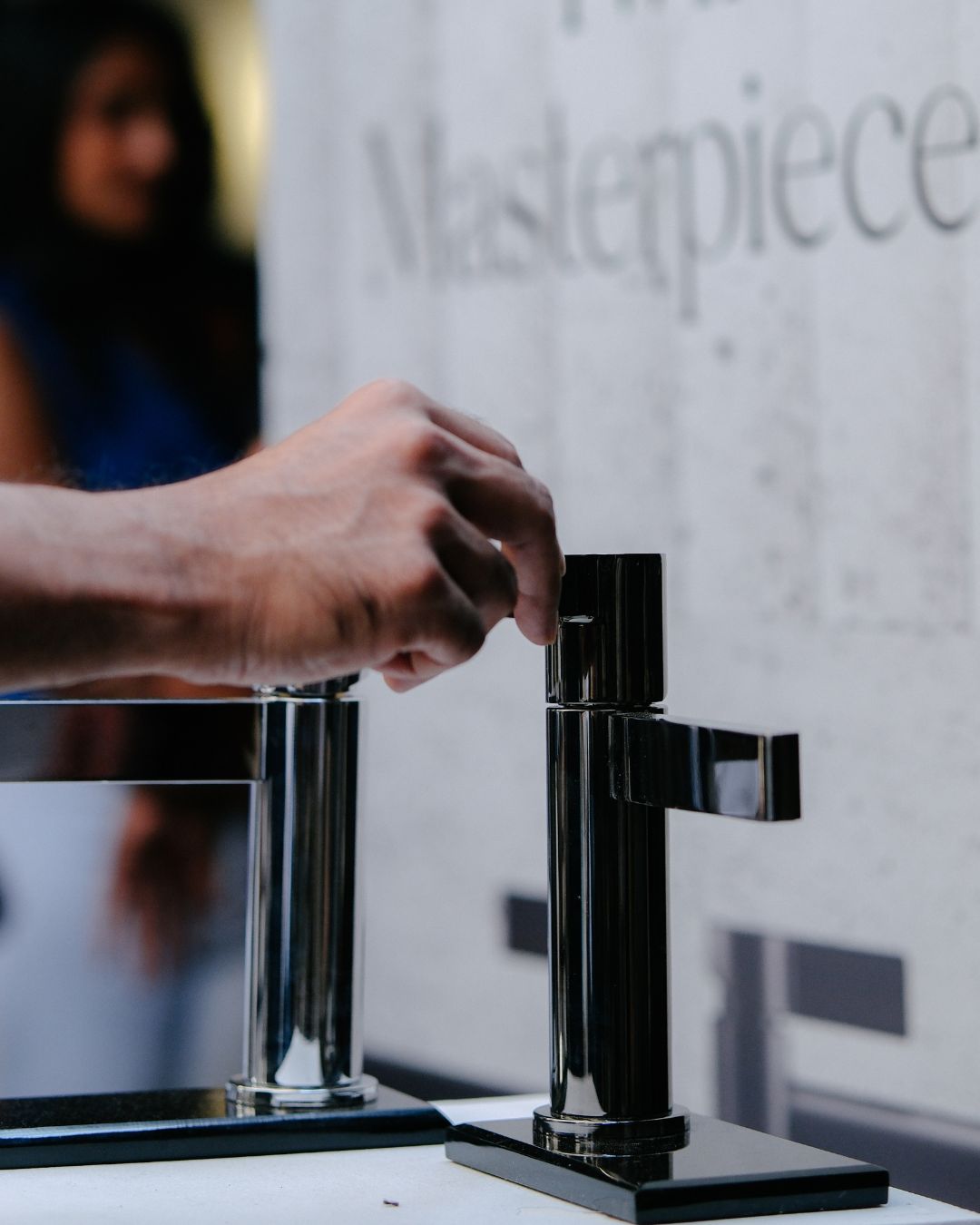
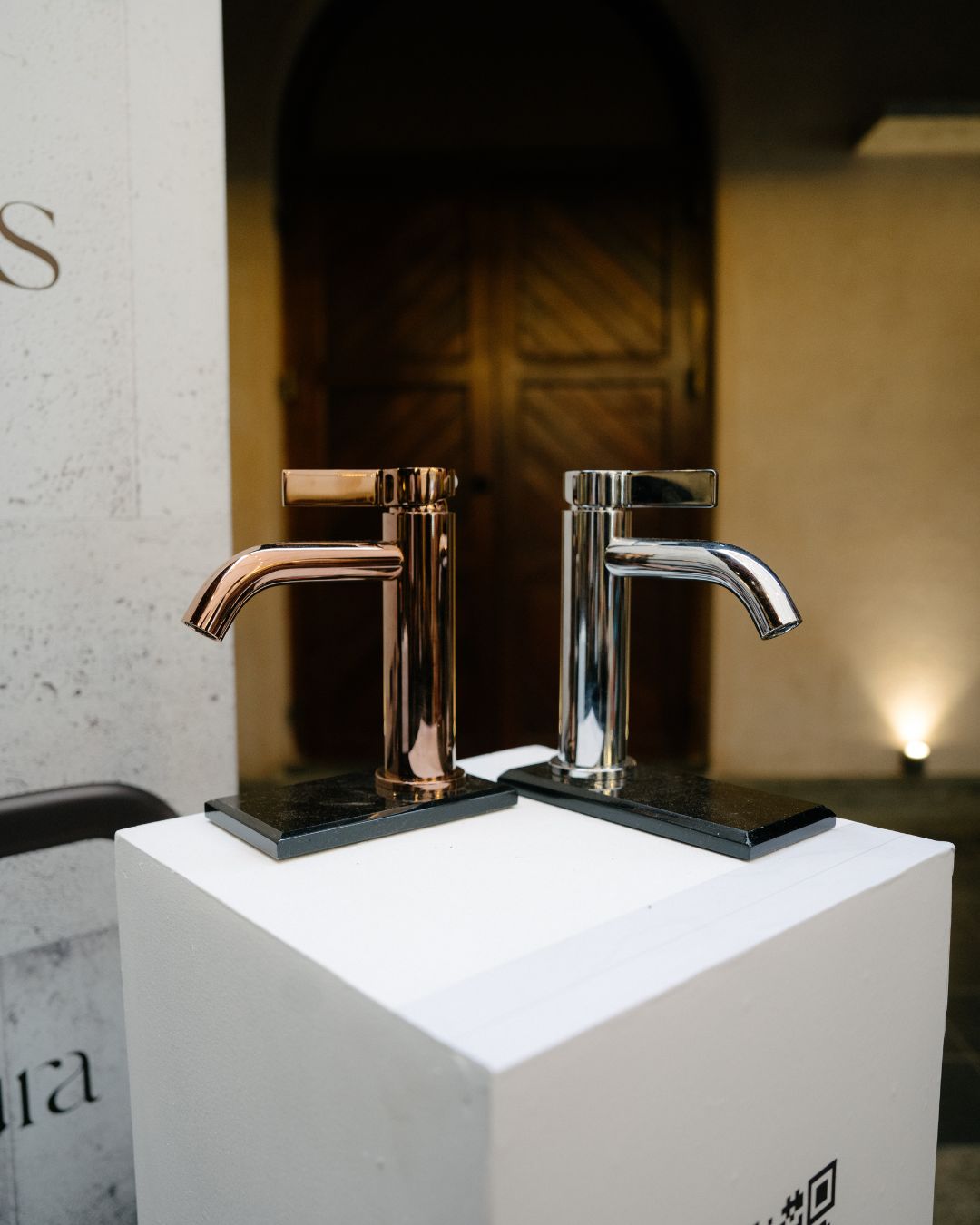
Art in every detail — the Aura and Aris ranges, on display at Bengaluru Art Weekend 2026
Born From Art is their tagline, and it is also their method. Every Artize creation begins as a considered sketch, shaped through collaboration between globally celebrated designers and the brand’s unwavering commitment to craft. The process is neither quick nor incidental — it is a sustained conversation between artistic vision and material reality, between what a product should feel like and what it must do. The result is a bathroom fitting with a distinct visual and emotional identity — an object that rewards the kind of sustained attention one brings to a painting. In their latest collections, Aris and Aura, that identity finds two distinct expressions — Aris, spare and architectural; Aura, fluid and unhurried.
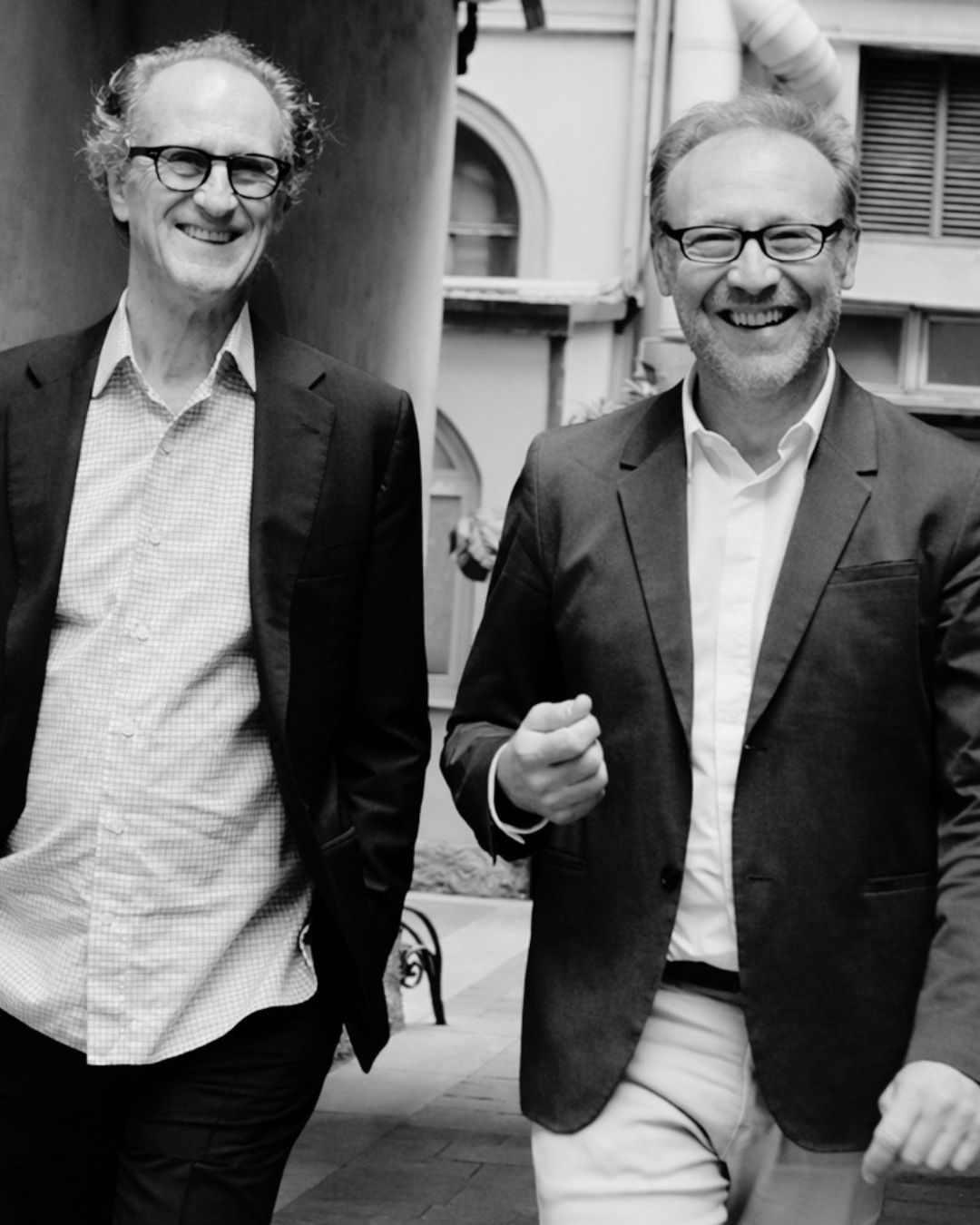
The designers Artize works with carry that ambition into every collection. Matteo Thun and Antonio Rodriguez have spent decades practising a kind of rigorous restraint — their work rooted in natural materials and cultural heritage, shaped by the conviction that the most enduring objects are those that know what to leave out. That conviction finds its clearest expression in Aris, where slimline proportions and a clean silhouette emerge from everything unnecessary being stripped away. Aura arrives at the same destination differently — through fluid geometry and a water flow designed to shift the mood of a room as much as serve it. London-based Claudia Danelon and Federico Meroni draw from fluid architectural forms and nature’s geometry for Tailwater — a collection that, in their words, marries technology with the grace of organic design.
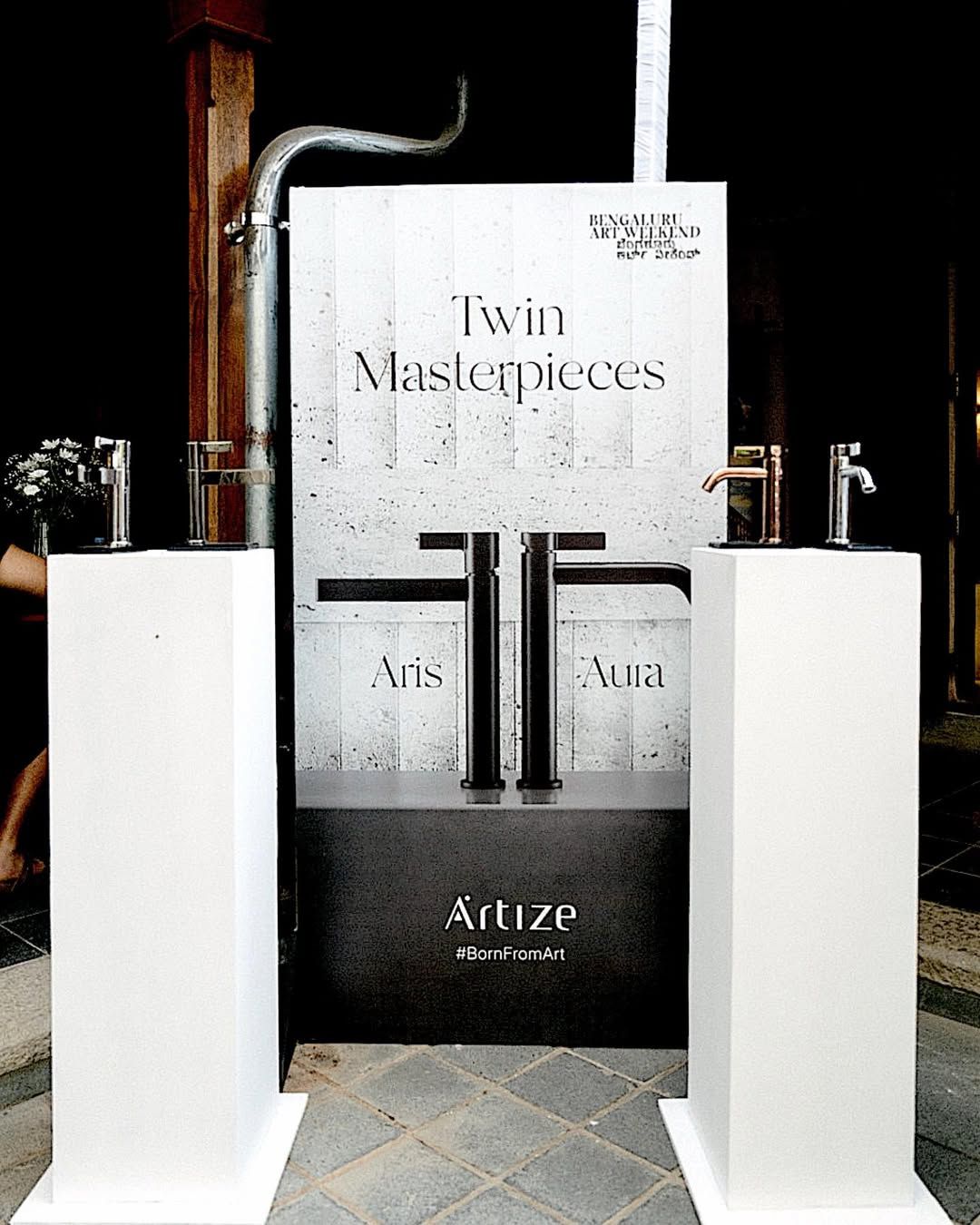
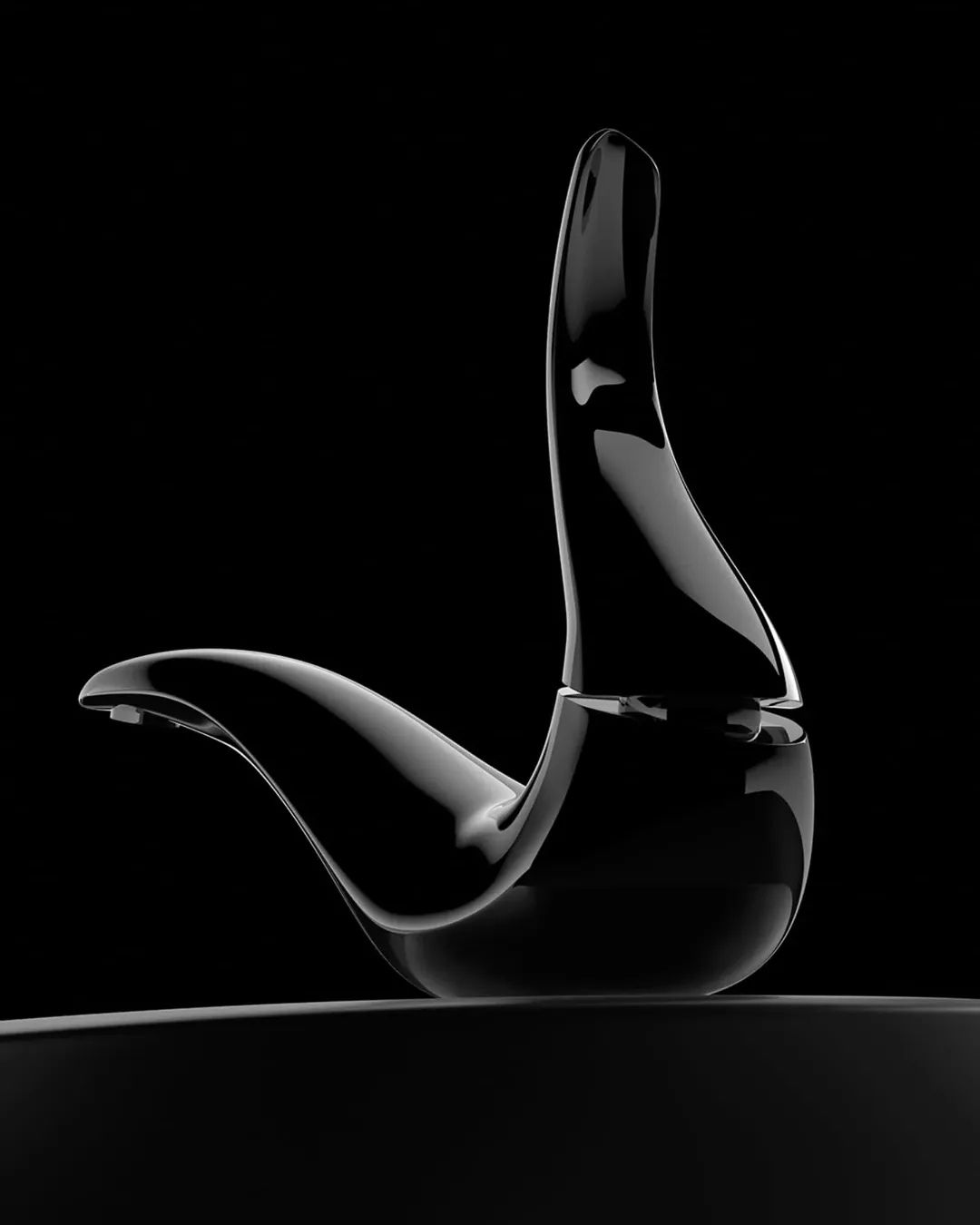
1: Two forms, one philosophy — Aris and Aura by Artize; 2: Claudia Danelon and Federico Meroni’s Tailwater — where nature meets precision
Parichay Mehra’s Confluence takes its cue from the arc of half-cut bamboo and the particular stillness of a waterfall — the result is something that recreates the sensation of standing beneath moving water, rendered in precision-engineered form. And Michael Foley, whose studio spans wearable technology, spatial design, and branding, brings to Artize the sensibility of someone who has spent a career thinking about how objects mediate between people and the world around them. What unites these designers is a shared refusal to treat function as a ceiling on beauty — or beauty as something reserved for rooms with audiences.
This is a position that takes courage to hold. In a market that conflates luxury with spectacle, Artize insists on something more demanding — design that transforms the private rhythms of a day. Aris for the focused clarity of a morning, Aura for the quiet restoration of an evening; objects whose meaning belongs entirely to the person who lives with them.
When Bengaluru Art Weekend 2026 unfolded across the city under the theme Second Nature — art spilling into galleries, libraries, bars, and across dinner tables — Artize, as associate partner, found itself in entirely familiar territory. The ten-day celebration was built on the same provocation: that culture belongs to the everyday, to the lived-in and the inhabited.
From 28 March–5 April, the city operated on the same instinct Artize was founded on — that beauty and function were never really separate to begin with.
Feature Image Matteo Thun and Antonio Rodriguez — the creative forces behind the faucet collections