There is magic in experiencing music together, and a festival may well be a sentimental utopia where identity, emotion, and shared interest take centre stage. Once concentrated in urban stages, festival makers in the country eventually ventured into less-explored terrains, reimagining what it means to gather.
Some of India’s most enduring festivals double as agents of discovery — spaces that have been chosen not only for their ambient appeal but to create cultural dialogue that is rooted and intimate, creating a form of travel that is both recreational and revelatory.
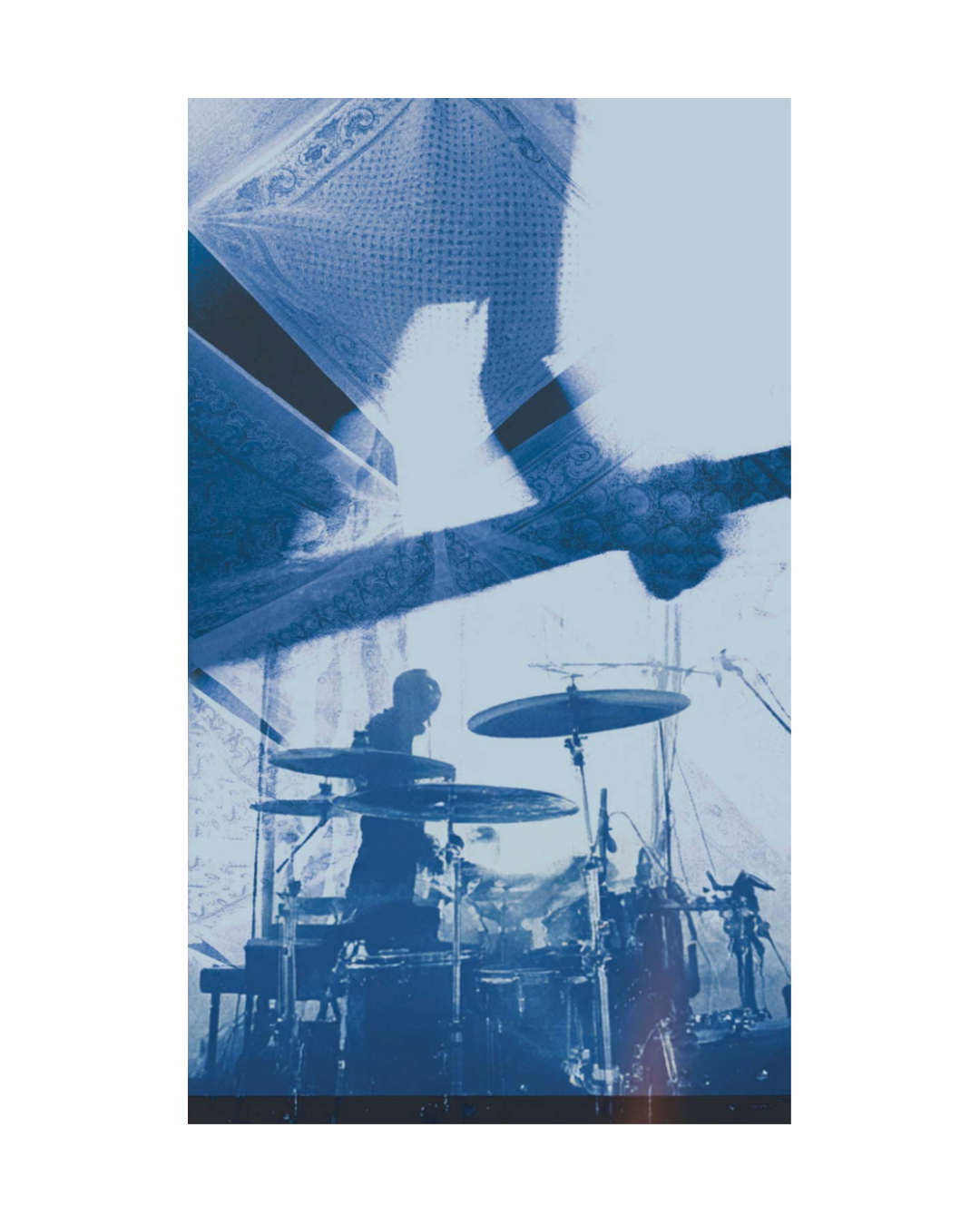
A 17th-century fortress in a Rajasthani desert turns into an eclectic stage where art, music, and technology converge every December. Magnetic Fields, championing underground sound in India, created something larger than itself. In the last ten years, the festival has become a global stage situated in the historic town of Alsisar, hosting scores of Indian and international acts that are musically future-forward.
Alsisar is a village steeped in history — self-assured and bold in its cultural identity. Its centuries-old folk music, architecture, and craft paired with bespoke hospitality offerings made it a niche destination for cultural tourists. The electronic music festival didn’t herald change — it made room for dialogue — and the opportunity to be discovered through an alternative lens that went beyond the tourist-brochure imagery.
The festival’s longevity relies on aspects beyond production quality and logistics — it demands rapport and reciprocity. Magnetic Fields Co-founder Munbir Chawla says, “Alsisar wasn’t just a backdrop, it was a part of the festival’s DNA. The palace, village, and desert all helped define the pace and mood. The festival inherited the character of the palace, and in turn, that character influenced how we curated experiences.” Each edition opens with Rajasthani folk musicians and crescendos into electronic acts. What began as a response to India’s cultural gap became a blueprint for curating premium yet conscious experiences.

This influence worked both ways. The festival directly employs locals, involving them in its production. “We’ve always treated our presence in Alsisar as a year-round relationship, not a three-day transaction,” Chawla adds. The festival’s guest list donation system urges guests to contribute a smaller ticket value that goes directly to the village, which is utilised to stock the local medical facility and local schools.
Ultimately, Magnetic Fields pursues sonic, cultural, and personal discovery. “[A] festival’s soul comes from the community it builds around itself,” Chawla reflects as the festival moves to a different heritage town, to be unveiled in early 2026. “As we move to our new home, that philosophy of listening first, building slowly, and nurturing relationships, forms the backbone of how we move forward,” he adds.
Magnetic Fields was not alone in its approach. Bengaluru’s Echoes of Earth embodies sustainability and circularity, imparting lessons in co-existence through the lens of music. Hornbill Festival in Nagaland has emerged as a case study in how cultural celebrations can draw global attention to indigenous communities. Bloom in Green, a transformational festival in rural Tamil Nadu, creates an immersive vessel where music, art, nature, and self-work co-exist. What unites these festivals is a unique philosophy — that gathering can be a pathway to understanding place.
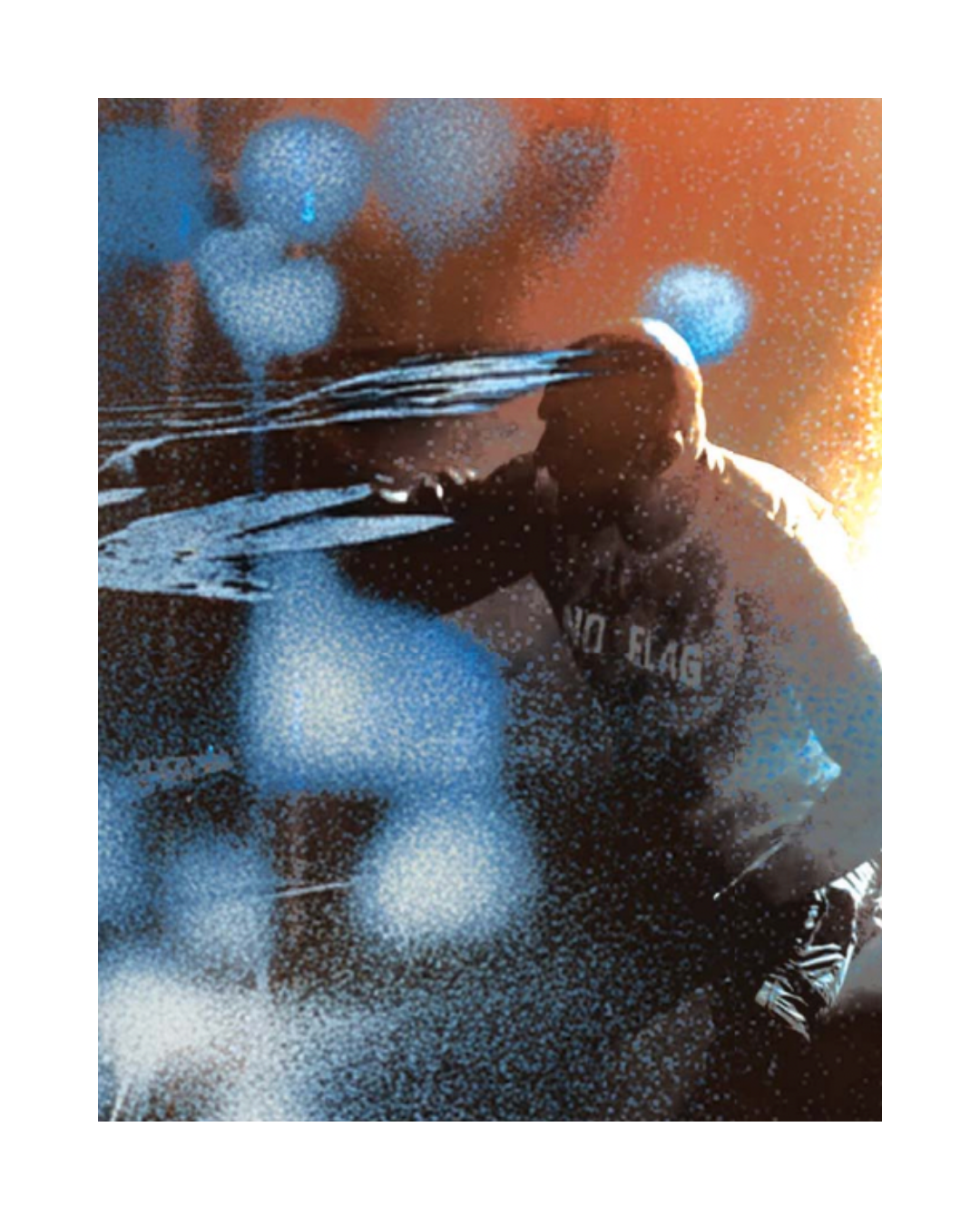
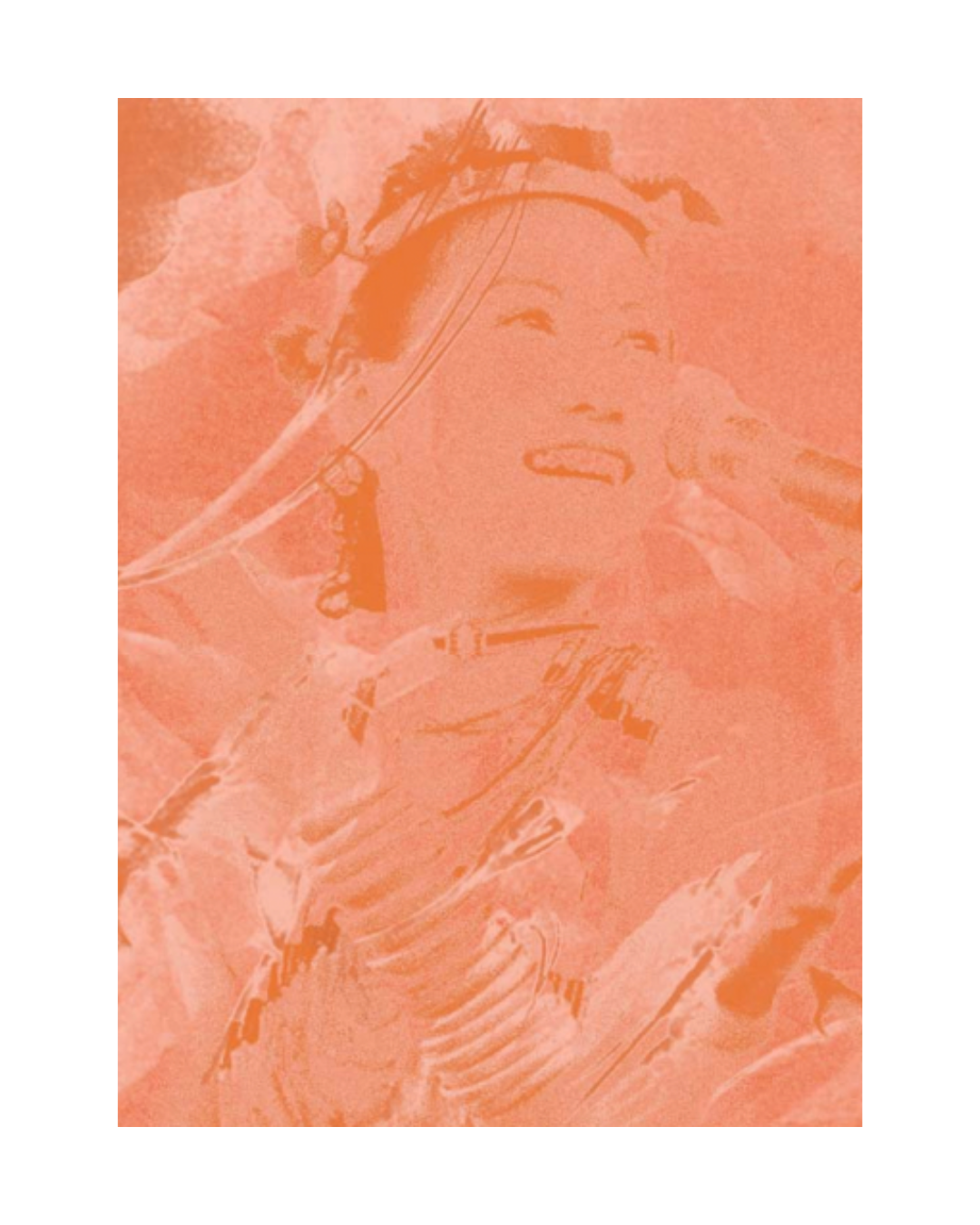
Meanwhile, a movement to support local and indigenous music was underway in Ziro Valley.
2,500 kilometres east of Alsisar, Ziro Valley was crafting a different story. Back in 2011, musician Anup Kutty and promoter Bobby Hano found themselves in Ziro on an unexpected detour — and envisioned a global stage that bridged ecology, sustainability, and music.
The following year, Ziro Festival of Music debuted with explicit curatorial intent — highlighting India’s independent and indigenous musicians with hyper-local production. The festival, globally known for its robust sustainability approach, takes direct inspiration from the Apatani’s traditional resource management knowledge. “Festival infrastructure has always been built by Apatani artisans using locally available materials such as bamboo and timber,” Anup Kutty, Co-founder and Creative Producer, Ziro Festival reveals.
“In the early years, the primary challenges were infrastructural. Ziro’s remote location meant limited road connectivity, accommodation, electricity supply, and logistical capacity to host large numbers of visitors. The festival operated with minimal facilities, and much of the production relied on improvisation and local cooperation,” Kutty shares.
The state’s government took notice of the sudden uptick in tourist footfall every September and now invests in the festival through an annual allocated budget. Access has eased. There is now a four-lane highway and a functional airport serving Ziro, especially during the festival. “This is a far cry from what the town used to be,” Kutty reflects.
But the more significant transformation comes in the form of cultural awareness. Demand for Apatani bamboo and handloom work extends beyond the festival. The valley is now a tentative UNESCO heritage site — strengthening how ancient practices inform modern creations. For visitors from urban India and abroad, this festival acts as a gateway to North-eastern culture beyond conventional tourism.
This is an exciting turning point in how India architects its gatherings — building communion that transcends passive listening, turning them into vessels for cultural discovery. While Magnetic Fields succeeded in bringing the world into a Rajasthani village, Ziro amplified the voices of a vanishing tribal group. Both became blueprints for positioning music as a tool for cultural discovery because their vision was evident — a festival can belong to a place only if it allows itself to be transformed by it.
Beneath the economics and infrastructural metrics, there is something powerful about a space retaining its identity while it embraces experimentation — revealing that discovery, when executed with care, is always a mutual process.
Words by Samyukhtha Sunil.
Visuals by Vritika Lalwani.