We entered the 2020s with a committed relationship with the internet. The last decade witnessed the advent of widely available, affordable internet access and technological advancements which transformed our personal devices and rendered TV and radio borderline redundant. Communication models were reworked. Hyperconnectivity was possible, and so was global virality — the next milestone for buzzing advertising executives. The era offered new meaning to the word “influencers”, and seemingly overnight, we cemented a digital age: An online existence parallel to our regular lives. Come 2020, we were forced to let go of the latter. The global pandemic limited in-person interactions, and by the time it ended, people carved for real-world connections where our social frameworks (and skills) had been stripped bare. A new need was born post-pandemic, and enterprising founders graciously tapped into the gregarious human desire for community.
In the commercial space, a community is often regarded as a euphemism for target audience, but an organic community lets a brand gain loyalty in a constantly evolving market, and truly build a relationship with a member through shared interest and goals. It speaks to the core value of the brand; it supports and clarifies the vision. It comes easily in the early days, trust and intimacy are simpler to build with a small outfit; the model trembles when an enterprise reaches the exponential growth they aim for. “Trust scales. The reputation of a brand, the reliability of its products, the sense that it will tell you the truth — all of that travels well and keeps working at volume. Intimacy is harder,” establishes Shamika Haldipurkar, founder of skincare brand, d’you. With this context, enterprises remain plagued by the question — can community ever be scaled?
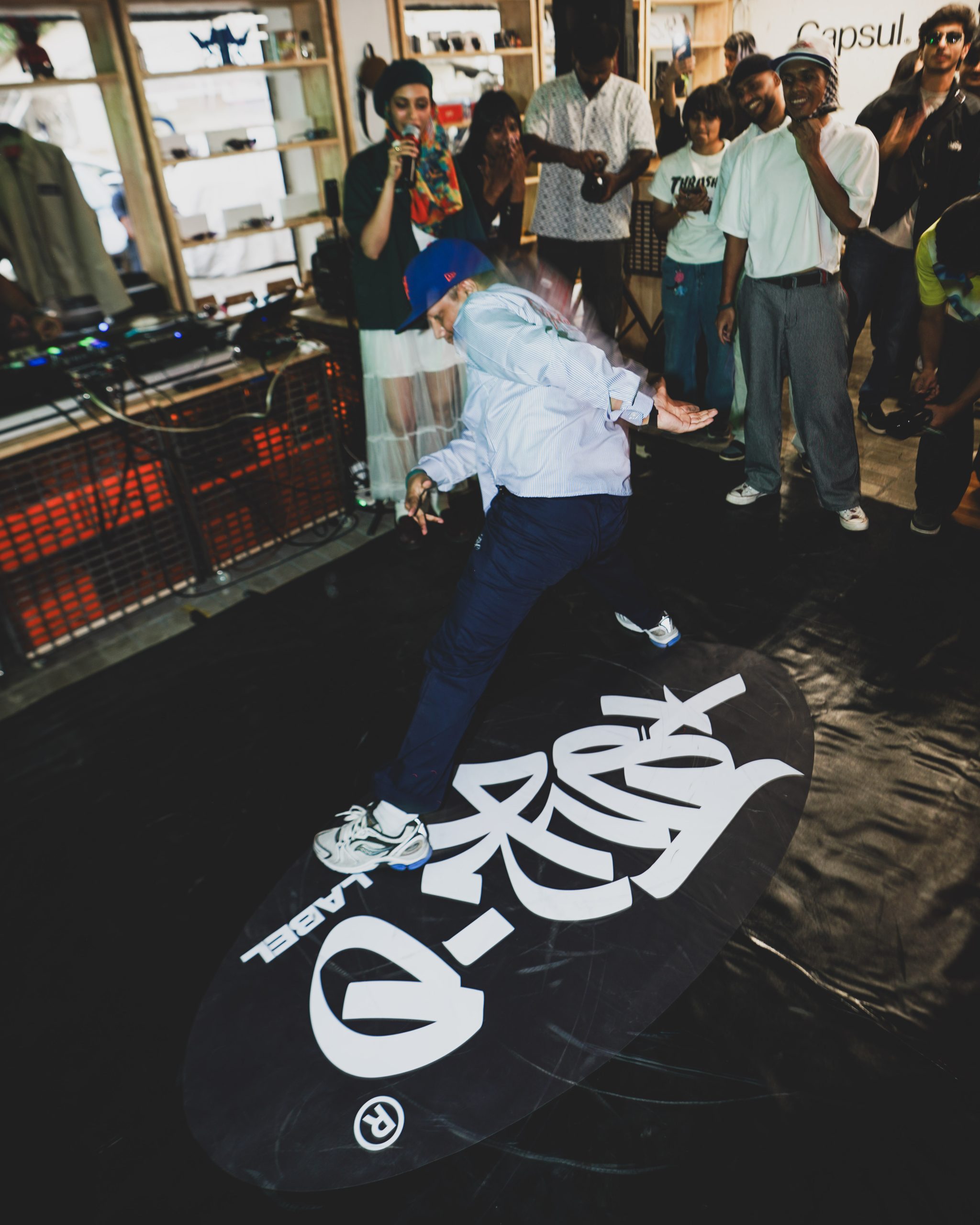
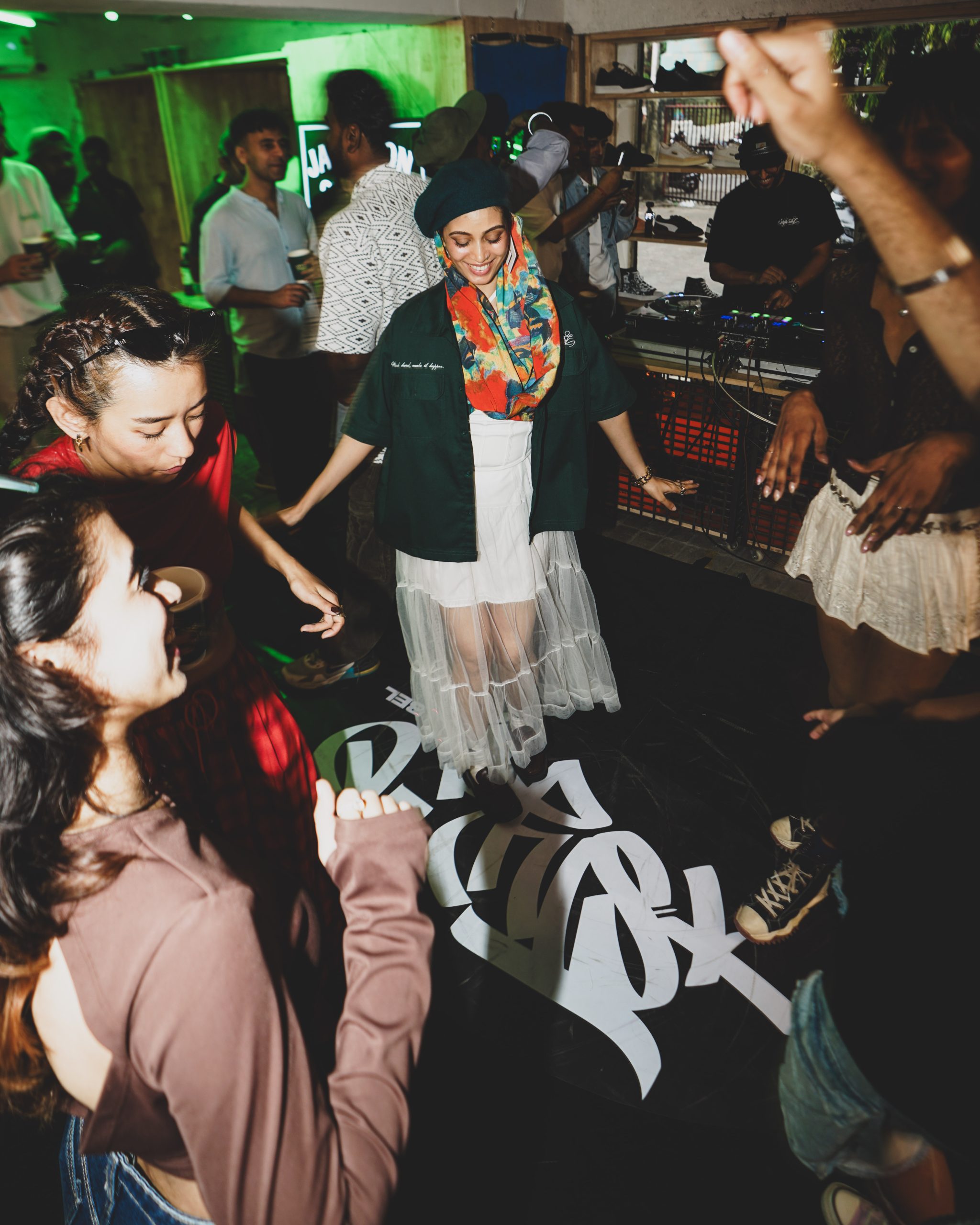
As a culture-first brand, Capsul opens up its physical space for sound sessions and other events, where the community comes together
At the core of this contemplation rests a heavy implication — in an age where people remain desperate for belonging, do they only receive brand communication? Initiatives like Art Night Thursday open up an extremely opaque art world to individuals with minimum exposure to art. Run clubs, coffee parties, and genre-specific music festivals remain packed with eager participants. One can find the connection they seek in monetised settings, and examine their relation to it, as they seem fit.
To be completely practical, even purpose-led ventures benefit from a business-like framework to operate because there is barely any societal infrastructure to support “true” community. There are costs associated with arrangements needed for comfortable gathering — food and water, or supplies for an activity-based meet-up, and the hosts’ labour. There’s a reason a heritage walk comes with a price tag: The expert’s knowledge is not accessible via common resources. It also takes planning to build a space people return to. User growth models like the 50-500-5000 principle are discussed, which categorises distinct levels of exponential community growth starting with small groups to medium-level ones where leaders can experiment and iterate, and eventually a large, sustainable level. Even circular models like the Community Flywheel come into the picture, which posits that consistent value creation, engagement, and anticipation compounds on itself to create a larger community.
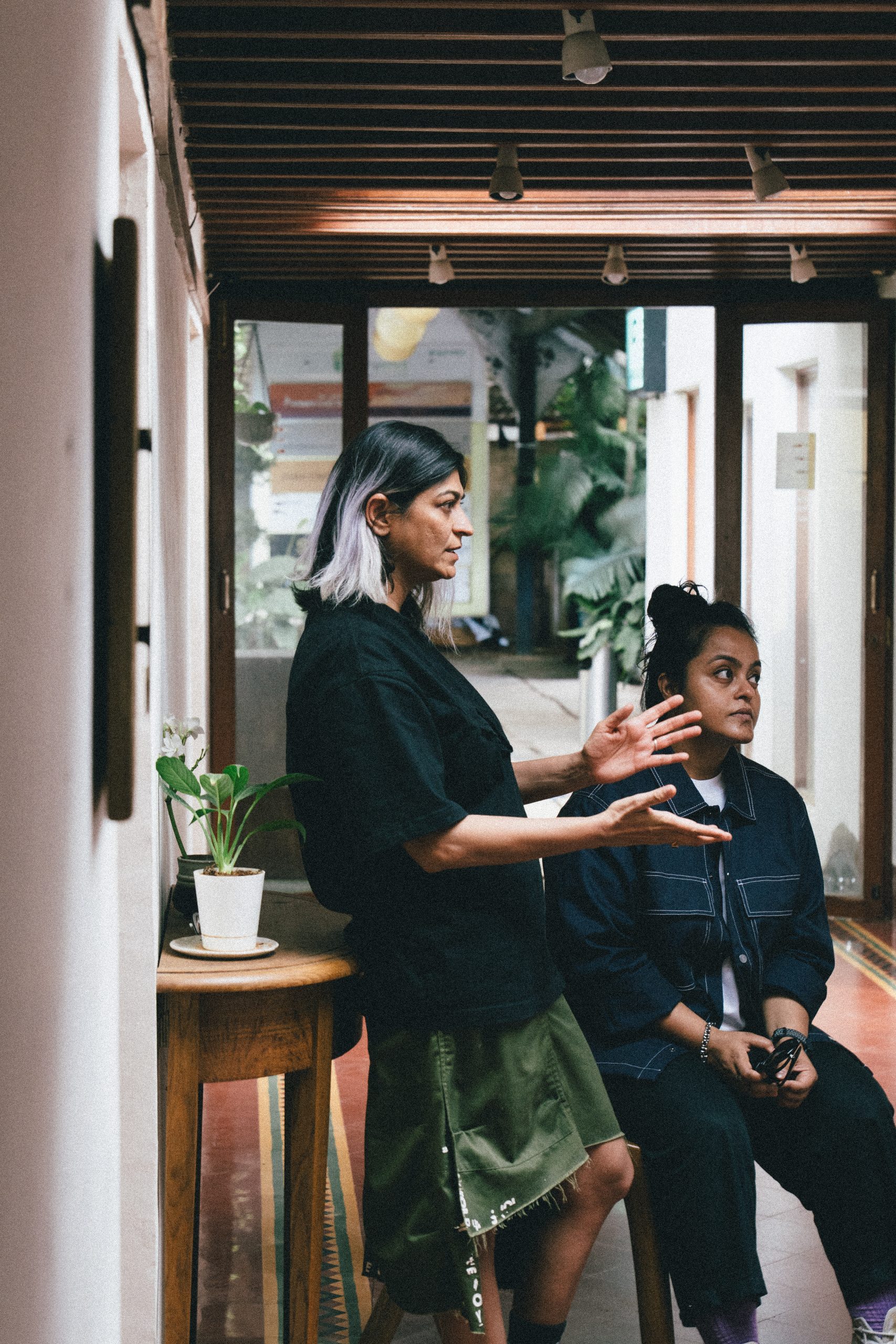
Capsul was founded by Meenakshi Singh and Bhavisha Dave in 2018
Every community is not the same and a brand-led one is often defined by the communication channels and the activations. Is the brand creating space for a subculture to come together? Modern brands reject the traditional salesperson contract, the communication here goes both ways. Capsul, the streetwear brand for instance, relies on their physical space to enable engagement and co-creation. Customers come back, share ideas, interact with one another and the brand — suggestions on directions to explore, brands to restock and add to the inventory, artists to work with for their sound sessions are part of the dialogue. “A community exists because people find value in each other — not just in the brand,” asserts Meenakshi Singh, co-founder. “Communities can scale if we create opportunities for people to connect-with each other, with creators, with ideas, with products they wouldn’t have discovered otherwise.”
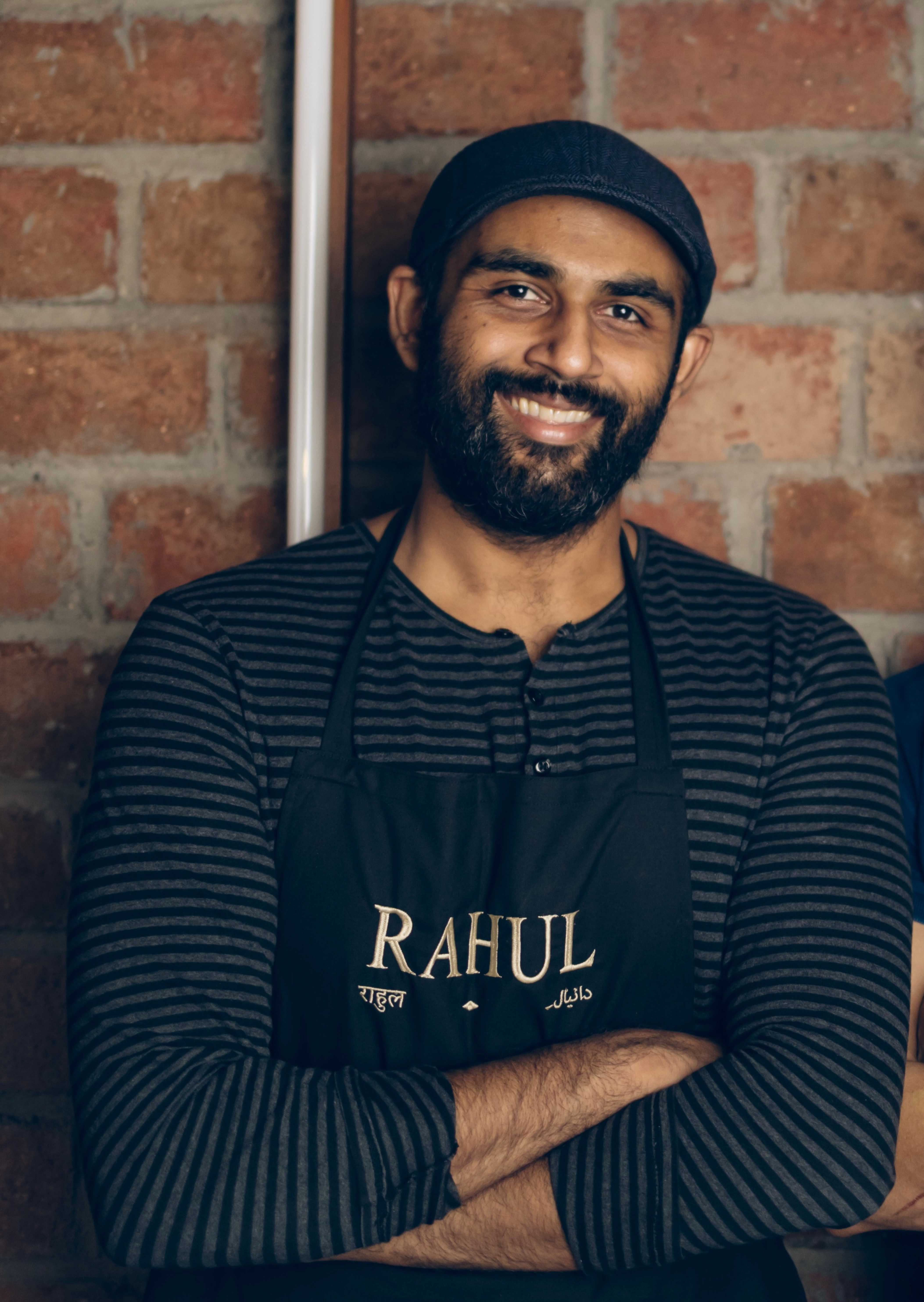
(L-R) Rahul Reddy founded Subko in 2019 in Mumbai; the speciality coffee brand recently opened its first international outpost in Dubai

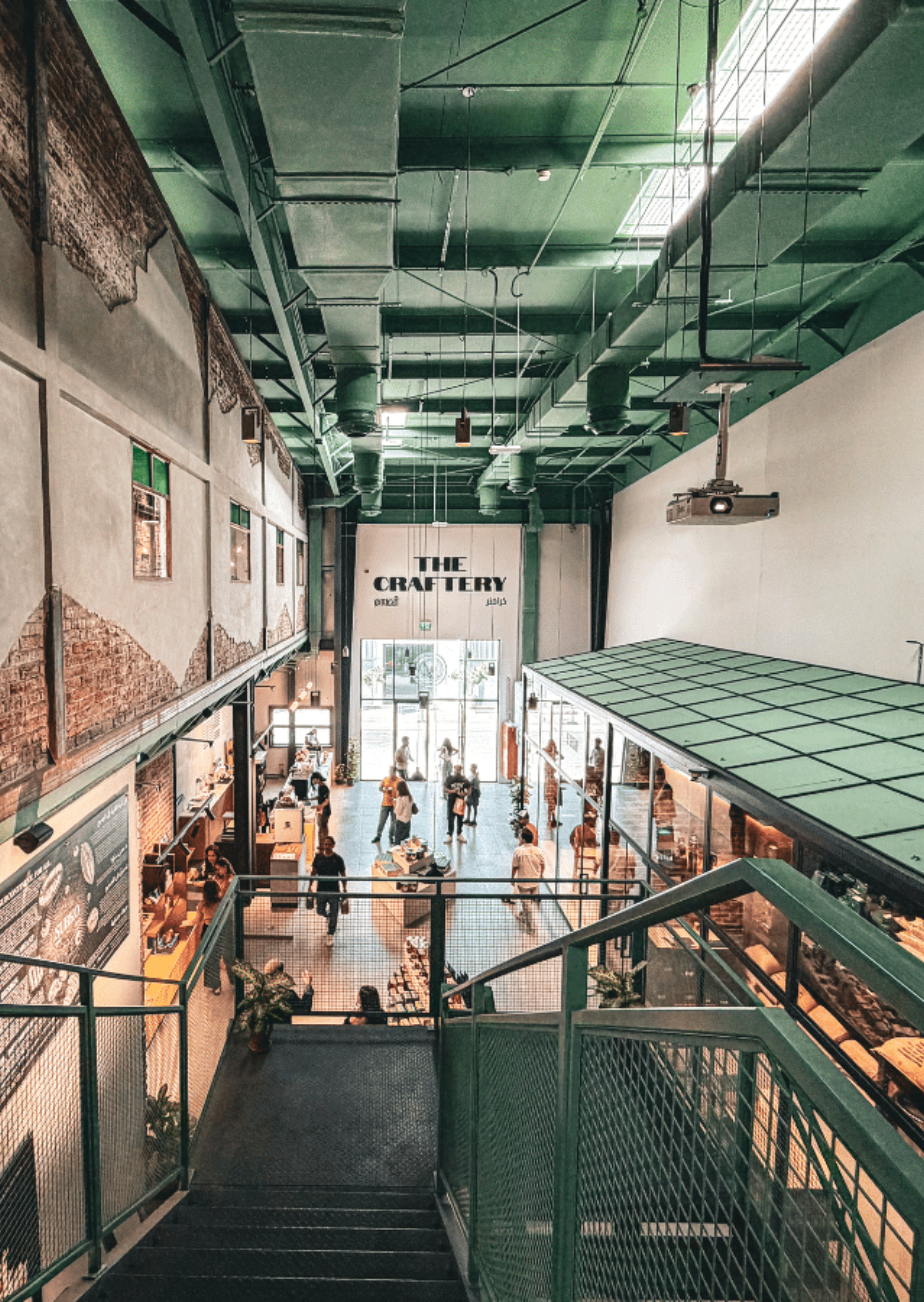
Subko hosts a range of community experiences, like a cupping event which involves guests indulging in tasting rituals
For a brand, the underlying driver for their operations will be breaking even, earning profit and sustaining that momentum. Scaling over time is part of that understanding, and every brand approaches it differently. Take Rahul Reddy’s Subko for example. Much like Capsul, it too focuses on offering physical space for discourse culture and agricultural richness of the Indian subcontinent. But unlike Capsul, it manages far more outposts. While the brand has scaled exponentially in its six years of operation, Reddy believes the same is difficult to apply to a community. What they focus on instead, is ensuring that the experiences they offer meet the same quality standard.
“We think building a community goes beyond organising events. At Subko, initiatives like Subculture are an expression of that philosophy,” asserts Reddy. Subko reaps the benefits of the experience economy, offering shared activity in an age of digital fatigue. The Subculture model is replicated across local chapters, and speaks to an existing cohort of individuals appreciative of urban third spaces and great coffee. “Through conversations, exhibitions, workshops, tastings, and collaborations, we hope to create spaces where people can engage with craft, culture, and the stories of the Indian subcontinent in a more meaningful way.”


Shamika Haldipurkar’s transparency-led d’you relies on founder-first communication to bolster its community; Shamika with Lisa Ray, the face for their latest campaign
Yet, there are some brands where the members are rewarded by access, rather than shared cultural activity. d’you has centered their community around a specific industry issue, where they gave a platform to discuss said issue, and place their products as an alternative. Here, the community responds more to the brand, rather than each other. The communication is led by the founder, who realises intimacy cannot be scaled. Haldipurkar instead, ensures that the transparency principle remains intact with their growth and that she finds time to respond to her audience first-hand, like she did in the beginning. “Systems can guarantee that people are taken care of, but they can’t manufacture the feeling of being personally known, and that feeling is what made the community what it is in the first place. So we’re quite deliberate about protecting it,” she says.
Of course, a member will always wonder about the authenticity of the community as it compounds over time, and new people enter, agendas shift, and prompts for gathering switch. Brands can manage these feelings as they remain true in their intention, consistency and planning. By creating an ecosystem that allows people with shared values to band together, especially in a connection-hungry world, brands build thriving communities that can very well legitimise their story.
Words by Tanya Syed