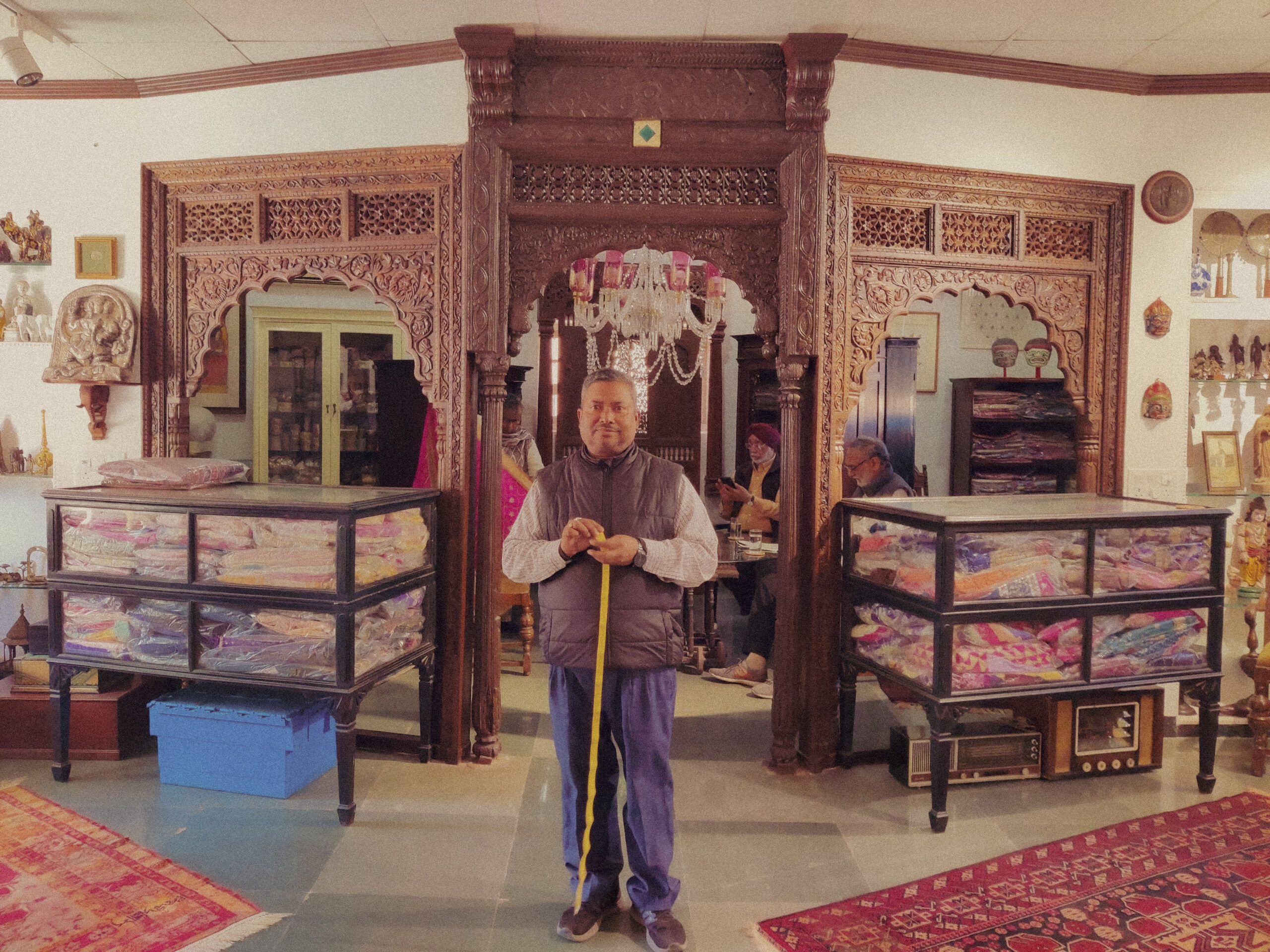
I first found the Queer Archive for Memory, Reflection and Activism (QAMRA) soon after I came out, at a point when I was close to certain that no real freedom or expression was available to me in my country. However, I was still somewhat motivated to find some proof or form of history predicated on the premise that in a country of over a billion people, there must be some place that houses the history of people like me. At the time, it was important for me to understand that no matter how isolated I felt in my experiences, a record of similar experiences existed somewhere. So it’s surreal that after all this time I come back to these archives not as a lost teenager but as a writer with a clearer sense of the history I belong to, and a story to tell beyond hopelessness.
QAMRA preserves what India, for most of its history, was content to lose. Mira Brunner, the chief archivist, informed me that the idea grew out of an act of refusal following the ruling in Koushal vs Naz, where the Supreme Court dismissed the queer community as a “minuscule minority” not worth changing the law over. Everyone deserves their human rights, and, as Brunner put it, part of the motivation for starting QAMRA was to refute that ignorant statement. Another essential motivation was to house the vast collection of video footage amassed by filmmaker T Jayashree, along with court documents from activists and non-governmental organisations. At the time, no archive existed to house this material, so the community built one.
More than a decade later, that first act of preservation has grown into one of the most textured and memorable collections of the history of queer life in the country. Sitting in the lively library of the National Law School of India University (NLSIU), QAMRA has become a living archive that not only preserves the private lives and experiences of queer individuals but also bridges the gap between history and the forces driving current activism and legal struggles within the queer community. This turns QAMRA into much more than an academic space. It becomes a collective inheritance essential to understanding not only our past but also our view of the future.
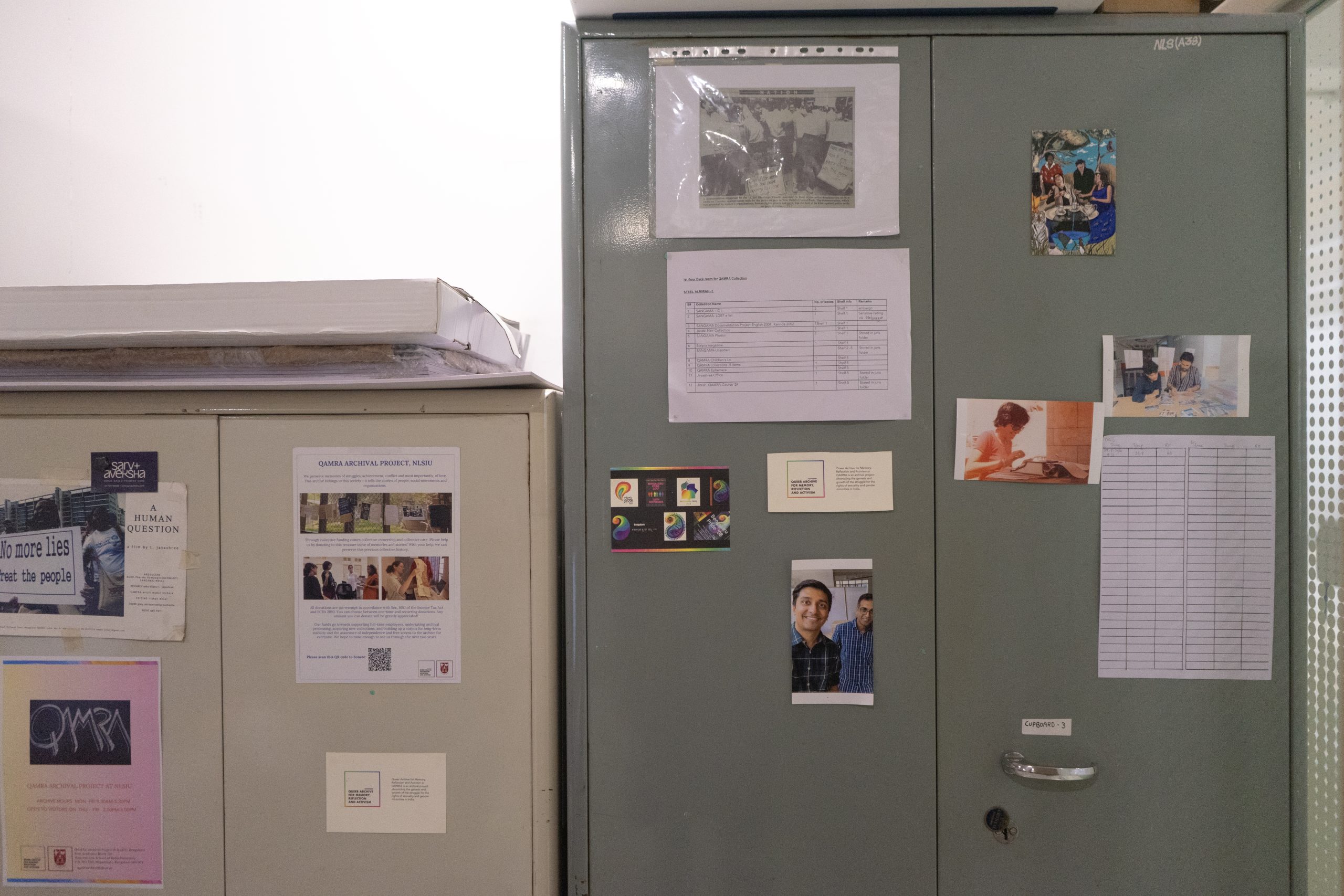
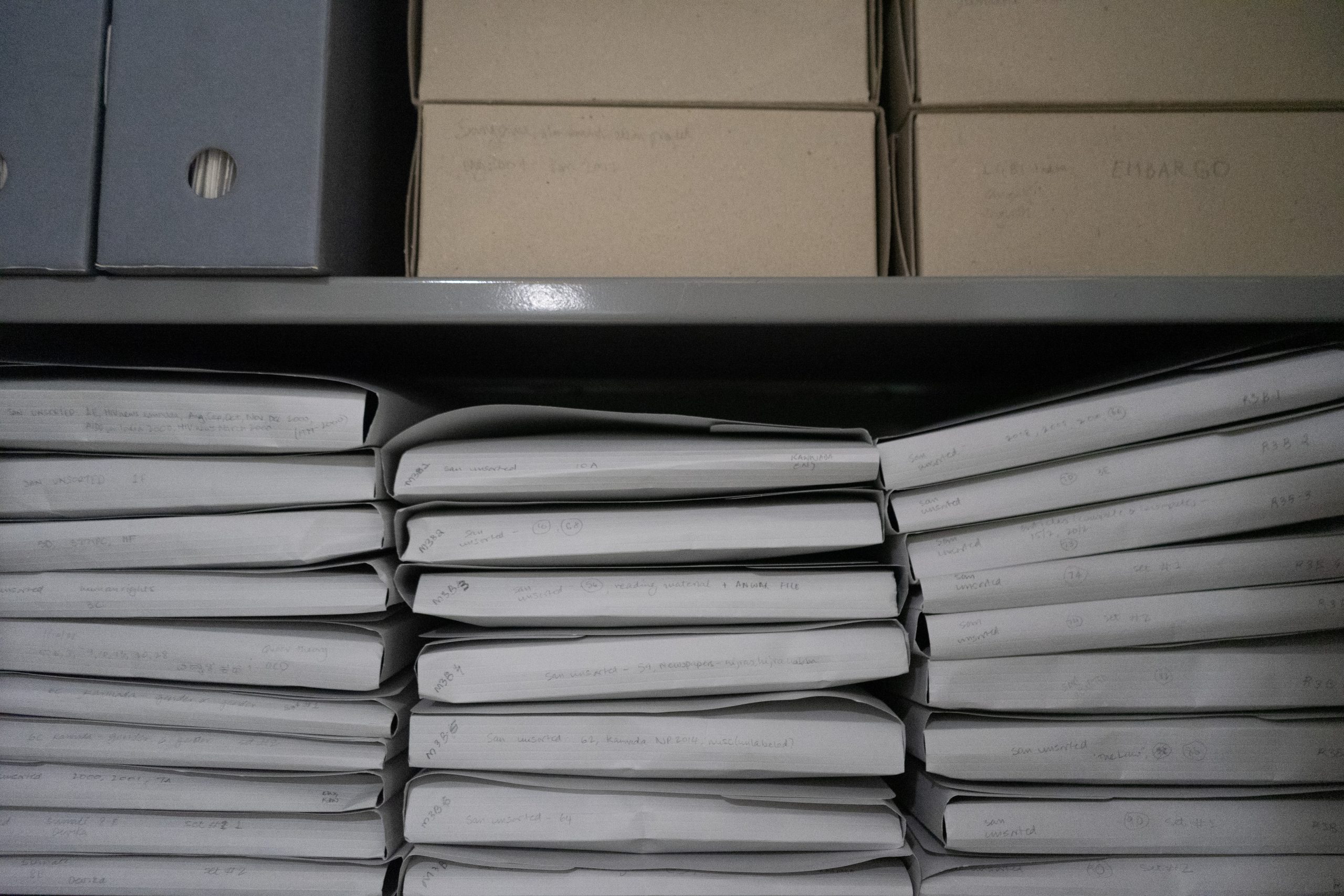
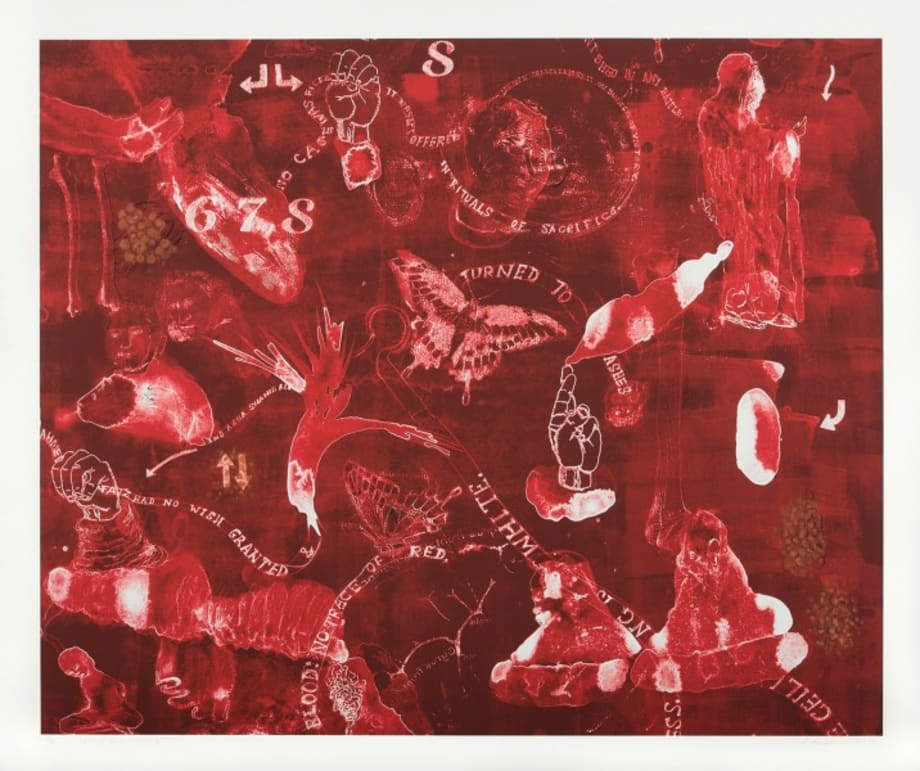
Fragments of queer life, once found scattered or overlooked, now come together at QAMRA, where personal histories sit alongside the records of activism and legal struggles that shaped the community
In my conversation with Brunner, I came to a unique understanding of what luxury means. In a world ruled by the law of acquisitions, luxury is often considered synonymous with the collection of rare and expensive objects. But what makes the personal items held here even more remarkable is that most of them were never meant to be preserved or collected at all. Items once hidden under floorboards like underground zines, private letters, etc. Brunner told me “represent a person’s life, a moment of vulnerability, something fragile and irreplaceable”. To preserve such things is to insist that ordinary lives, lives “not known beyond their circle of friends and family,” as she put it, are as worth keeping as any so-called rare and expensive artifacts.
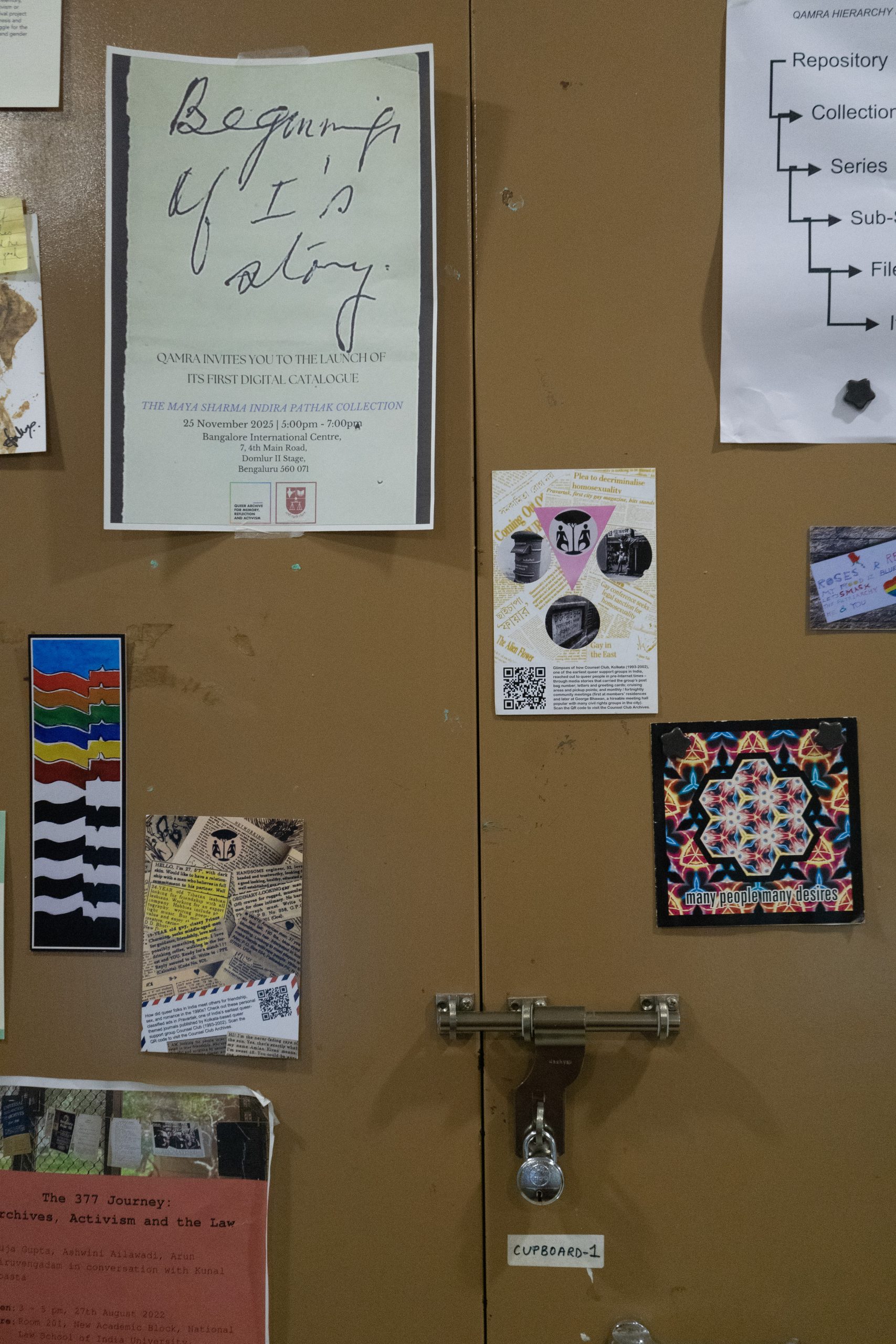
The private traces of a community: When being remembered becomes a luxury of its own
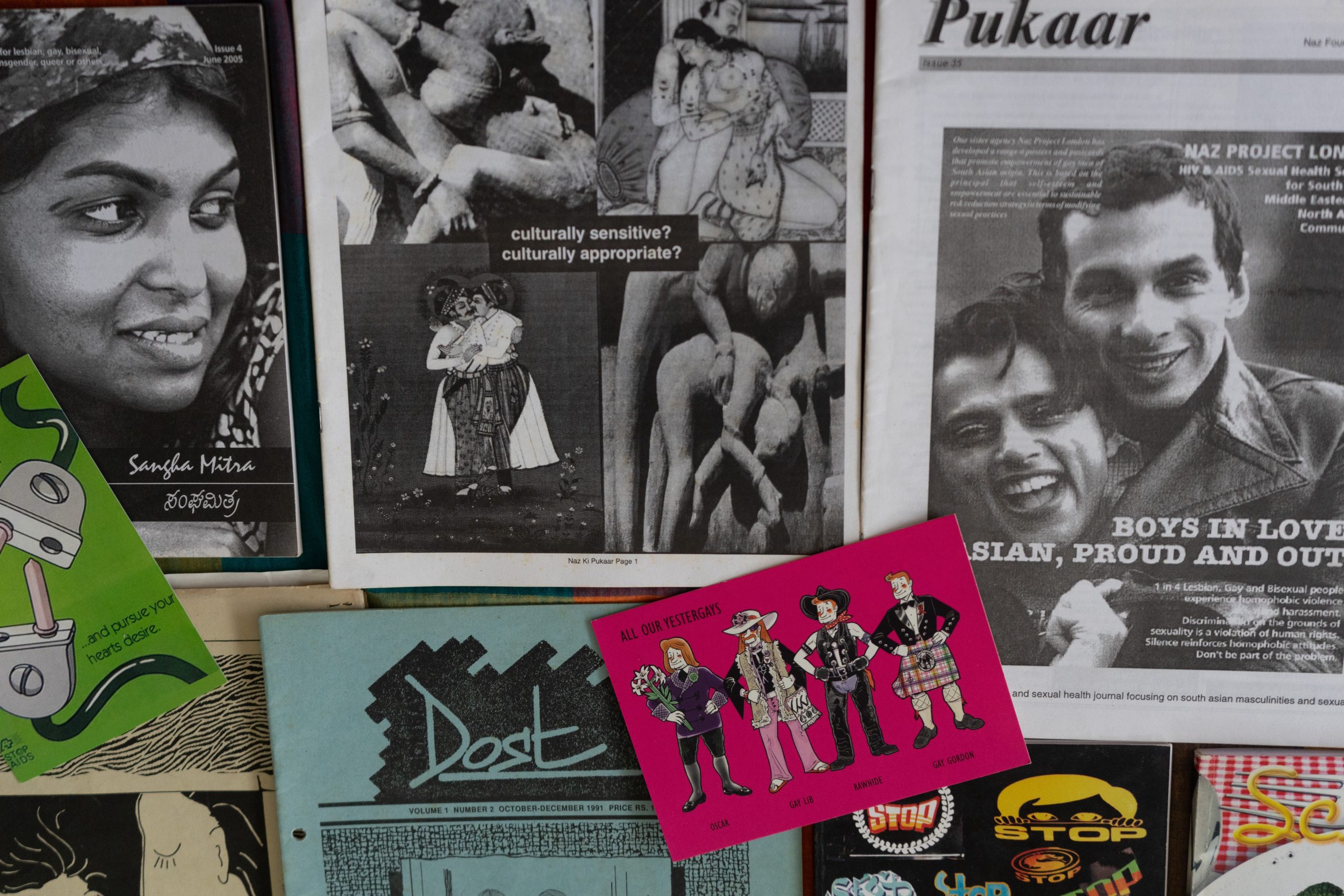
What the archive holds is at once intimate and institutionally rebellious. While some shelves filled with diaries and personal ephemera hold the private residue of lives lived largely out of view, another holds the legal spine of a decade-long battle against Section 377. From the papers of the AIDS Bhedbhav Virodhi Andolan (ABVA), which in 1994 brought the very first petition against Section 377, to the photo albums documenting working-class and rural queer women and trans men in Gujarat, the diversity of the collection serves a particular point. Most of the materials that end up in QAMRA go through a significant re-contextualisation since while some of the documents and materials might be found elsewhere, storing them together, as Brunner puts it, “serves as an important narrative act” that highlights the abundance and multiplicity of the so-called minority lives of queer people in India. By giving these materials the dedicated space and voice that they deserve, it turns a simple act of collecting into a function of power. Brunner describes, “History is written by the victor”, and QAMRA exists to push back against such notions since even the act of accepting and displaying these materials is an automatic political act that decides who deserves space and remembrance in the memories of our community.
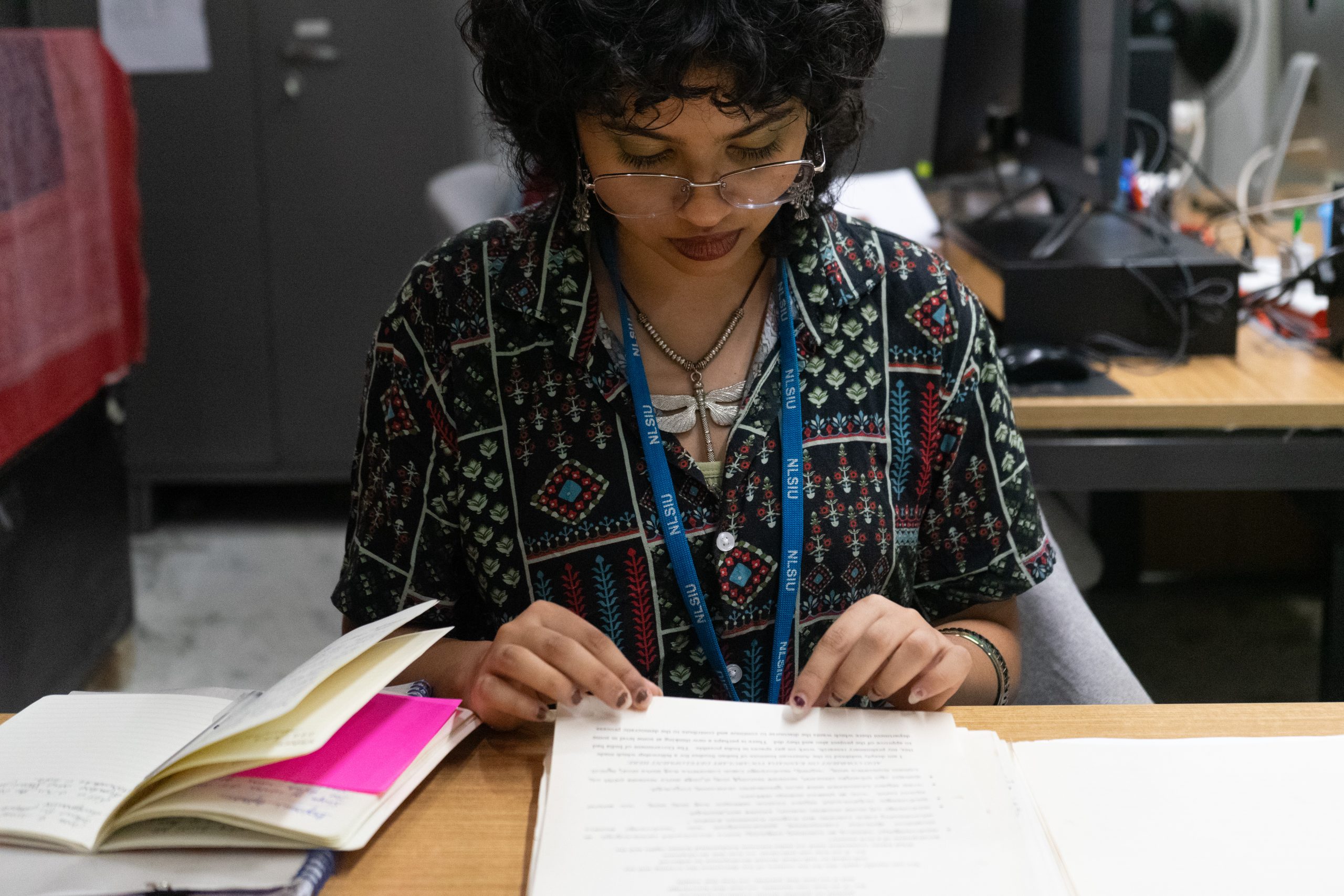

Across photographs, publications and documents, the archive reveals the many voices of a disregarded history
QAMRA also turned queer collections like that of Maya Sharma, the author of Loving Women, and Indira Pathak, who founded the Vikalp Women’s Group in Gujarat, into their first searchable digital database, allowing access to everyone from academics to curious learners to a record of queer identity that was largely hidden and overlooked by mainstream records. The collection at the Archive is a community-led operation where all donations from people are welcomed and preserved, as it allows the archive to move beyond institutional records alone and capture how queer individuals in rural and urban India silently negotiated relationships and resisted erasure while navigating binding patriarchal rules. Thus, if luxury is a collection of rare treasures, then a collection of such personal artifacts that had no guarantee of protection turns out to be the truest luxury of all.
Although Brunner admits that, given the small size of the archive, they are often hemmed in by logistical and financial issues, she notes that the community always comes to their rescue in times of such unpredictable misfortune. QAMRA is open to everyone, she insists, from students and academics to the wandering visitor who simply wants to learn about the hidden histories of queer life. The staff hopes for the archive to be a place of shared lunch tables, bustling offices, and friendly campus dogs, where caring for the material is a gift. What Brunner hopes to keep safe, above all, is the memory of “ordinary people”. It is perhaps one of the most essential goals the archive has set out to pursue, and I hope it offers other lost people, like my teenage self, the assurance that their history, too, is worth preserving. An archive like this endures only because people decide, one contribution at a time, that it should. QAMRA serves as an invitation to treasure ourselves, and it welcomes whatever support one can offer. I went to QAMRA once looking to be found. I understand now that the archive’s real work, and ours, is to make sure the next person looking will be.
Words by Ray Singh
Featured image courtesy of Mira Brunner