How do you begin to tell your story? As reporters, there’s a set of priorities laid down in a pyramid. As a creative, you take liberty; you demonstrate how the mind is, in ways, built to defy expectations. For me, the answer came down to inspiration. What inspired you to start conservation? I sit with an understanding that inspiration is best drawn from within. I could be wrong, but I see it happen with some of our finest creatives — painters, musicians, designers realising that more often than not, what we know and protect, is the most compelling story we can ever tell.
When I get the (lucky) chance to speak to these cultural professionals, I wonder what their moments of eureka are like. With designer Ashdeen Lilaowala, I didn’t have to let my mind wander for long. The designer is known for his work as a Parsi gara revivalist — his eponymous label collapses the centuries old embroidery technique and its classical appearance, the saree, into modern silhouettes. Undeniably, this work is made possible through his practice as a researcher and a preserver. Over the course of thirteen years that his label has been operational, Lilaowala has managed to create a robust archive of more than 900 gara ensembles collected over time, acquired from family and close friends. On why the gara to be his focus, he simply offers — “It felt right.” It’s self-explanatory. I imagine him sitting with this expansive archive, letting his mind do what it’s best at.
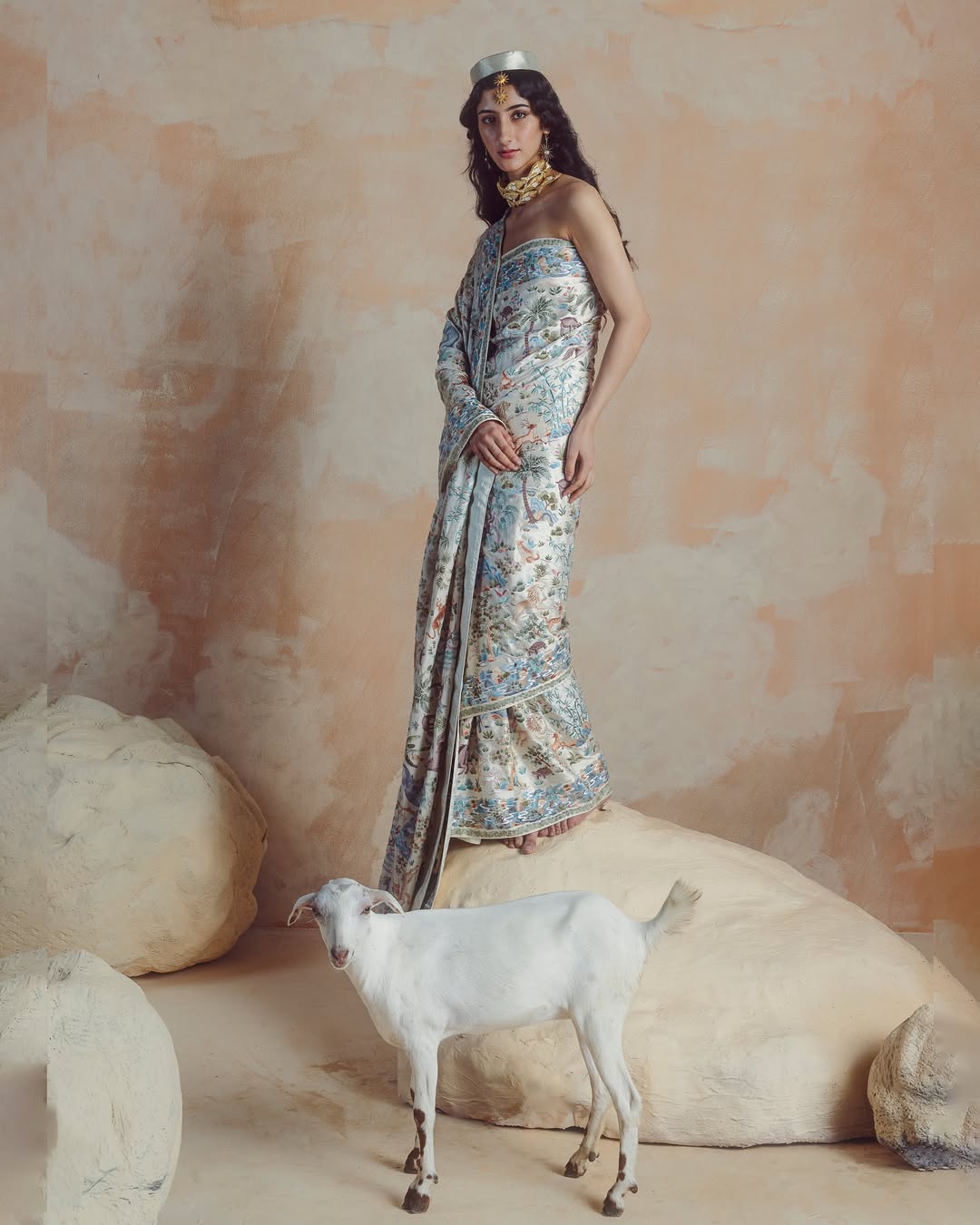
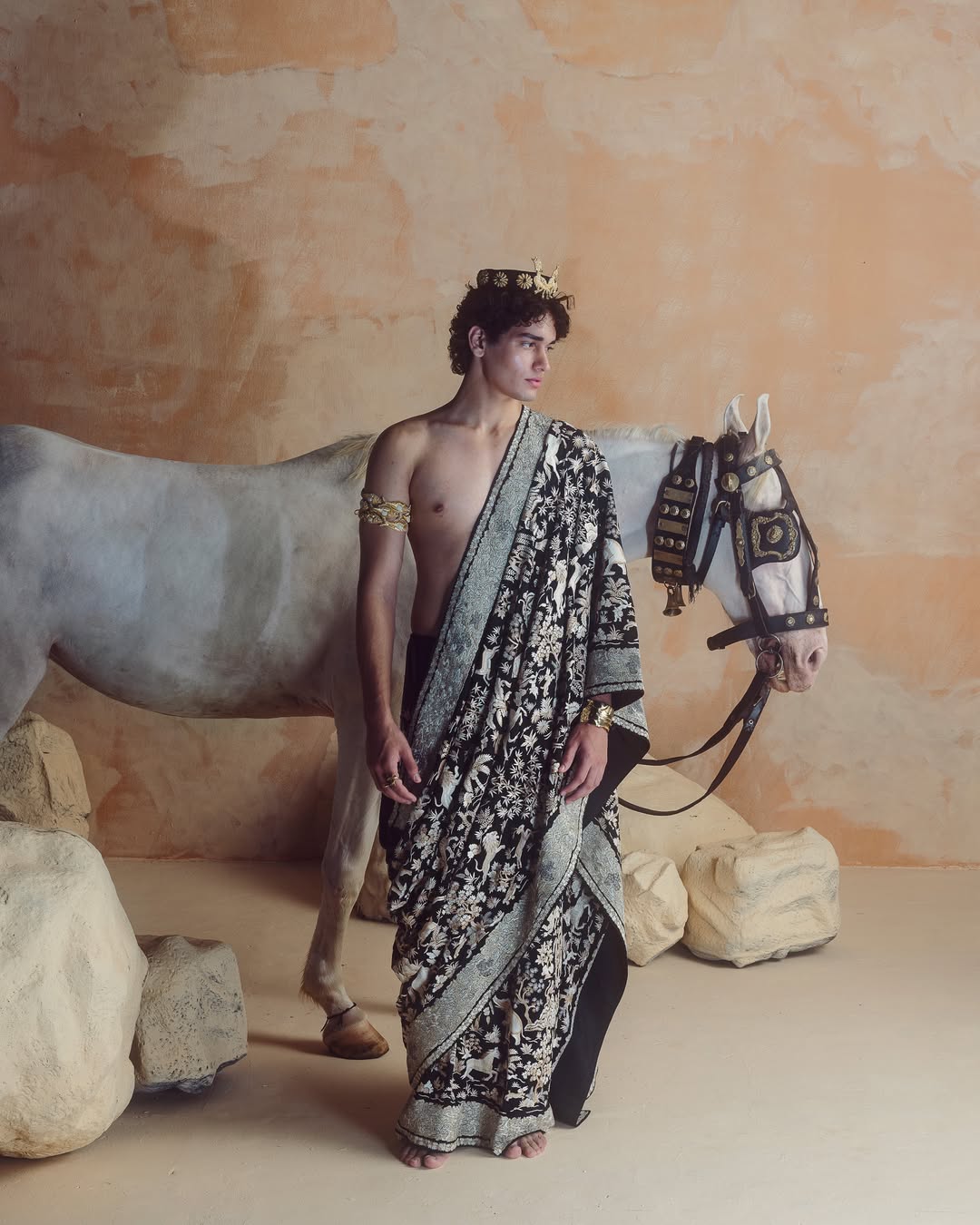
Ashdeen’s latest collection, Divine Kingdom, which invokes Zoroastrian mythology. Courtesy, Ashdeen, photographed by Adil Hasan
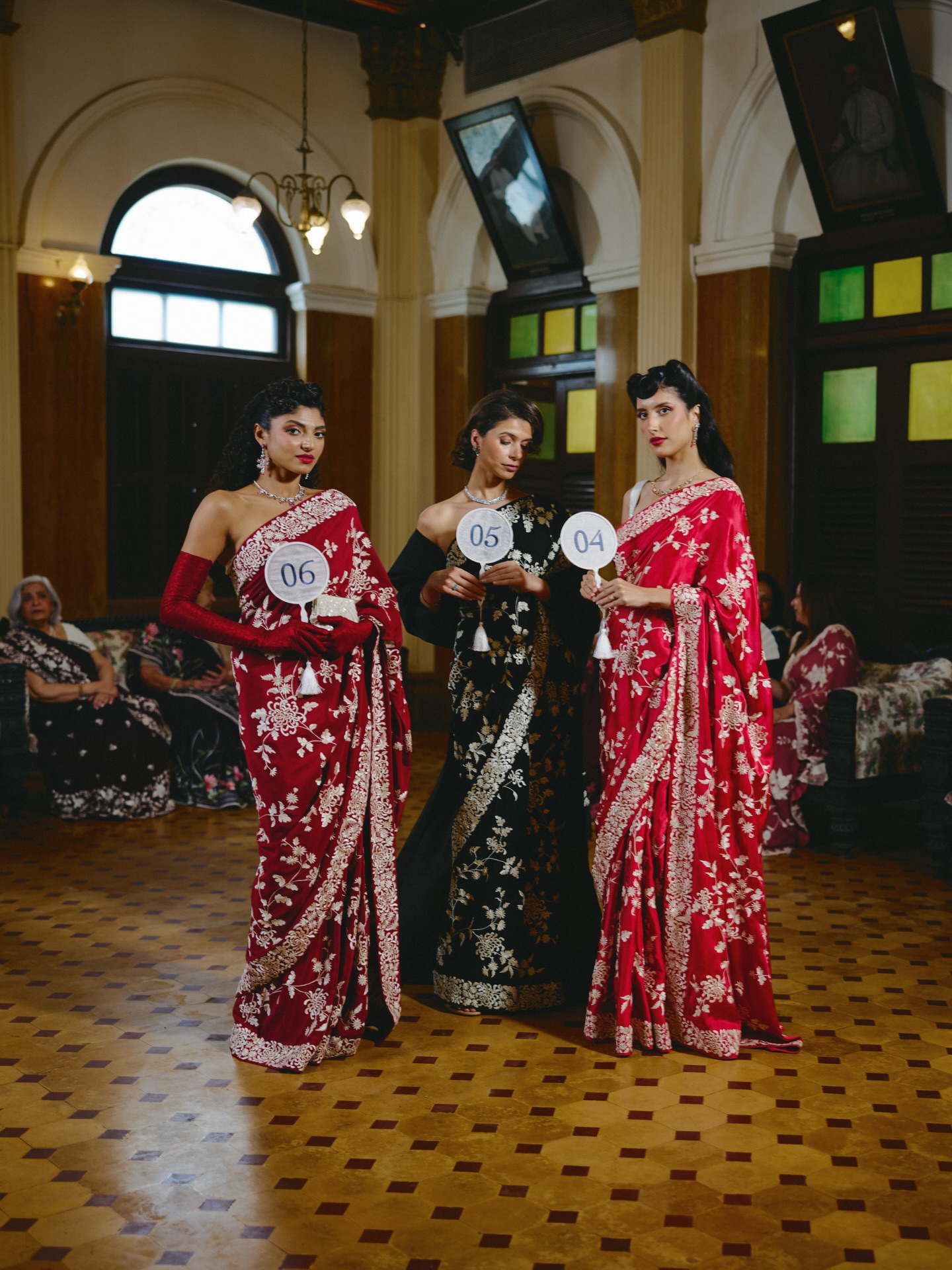
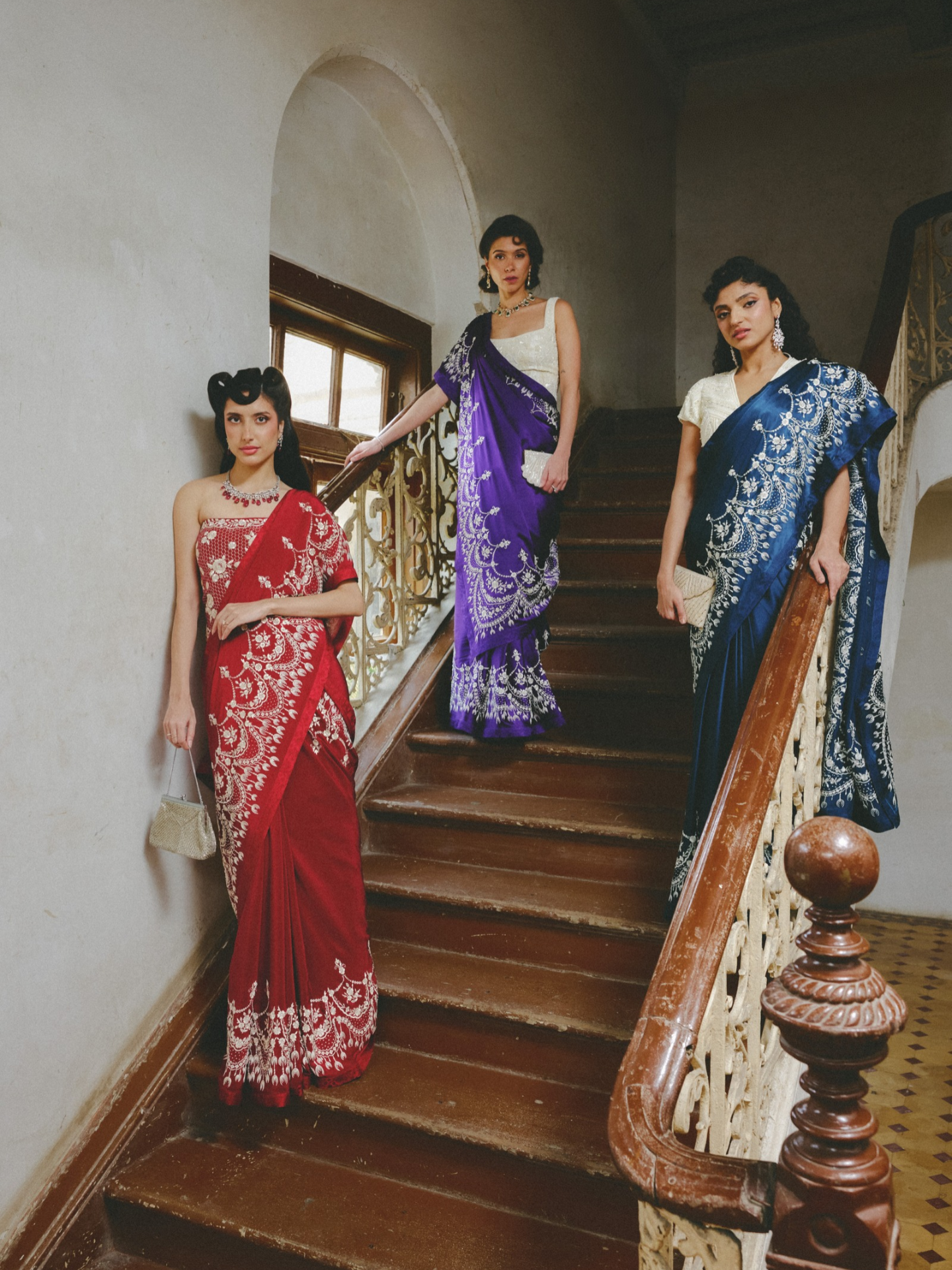
She Walks in Beauty, a retro collection that offers an historical perspective to the gara’s evolution. Courtesy, Ashdeen, photographed by Sarang Gupta
A driver for many contemporary labels is a sentiment of revival — preservation and a reimagination of techniques that belong to their community. It is a practice that realises that clothing is inherently alive too: It morphs, it adapts, and throughout our lives, it reappears in forms we’ve not experienced before. “Conservation has always been part of our practice and we’ll continue to curate and carefully preserve our pieces,” Lilaowala shares. But his philosophy extends beyond conservation. For years, he has pressed the idea that his designs are globally inclusive, extending the gara to those not necessarily part of the Parsi community.
Earlier this year, he collaborated with Neelgar by Kamaldeep Kaur to create a blend of gara and bandhani with the collection Tarana; In Parsi Khabar with Ekaya Banaras, the designs were a meeting point between banarasi weaving traditions and the gara; In 2022, he partnered with Kanakavalli to produce the limited edition collection KVLX: Kanjivaram X Gara, adorning the South Indian silk sarees with lush Parsi embroidery. “To keep a tradition alive, you need to move with the times,” he asserts. “You need to adapt, you need to explore, and you also need to push the boundaries. If there’s something which is over defined or has a construct around it, it ends there.”
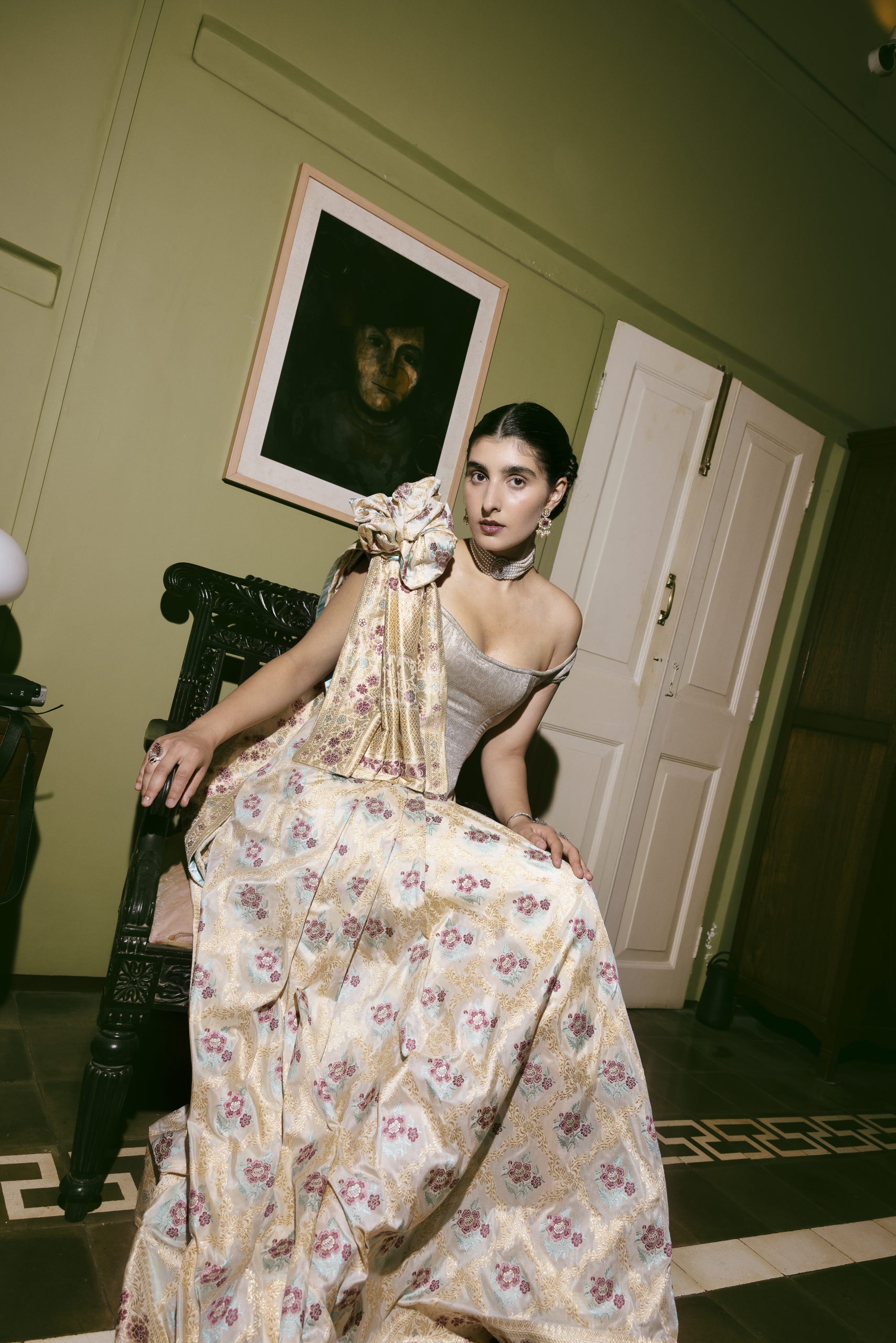
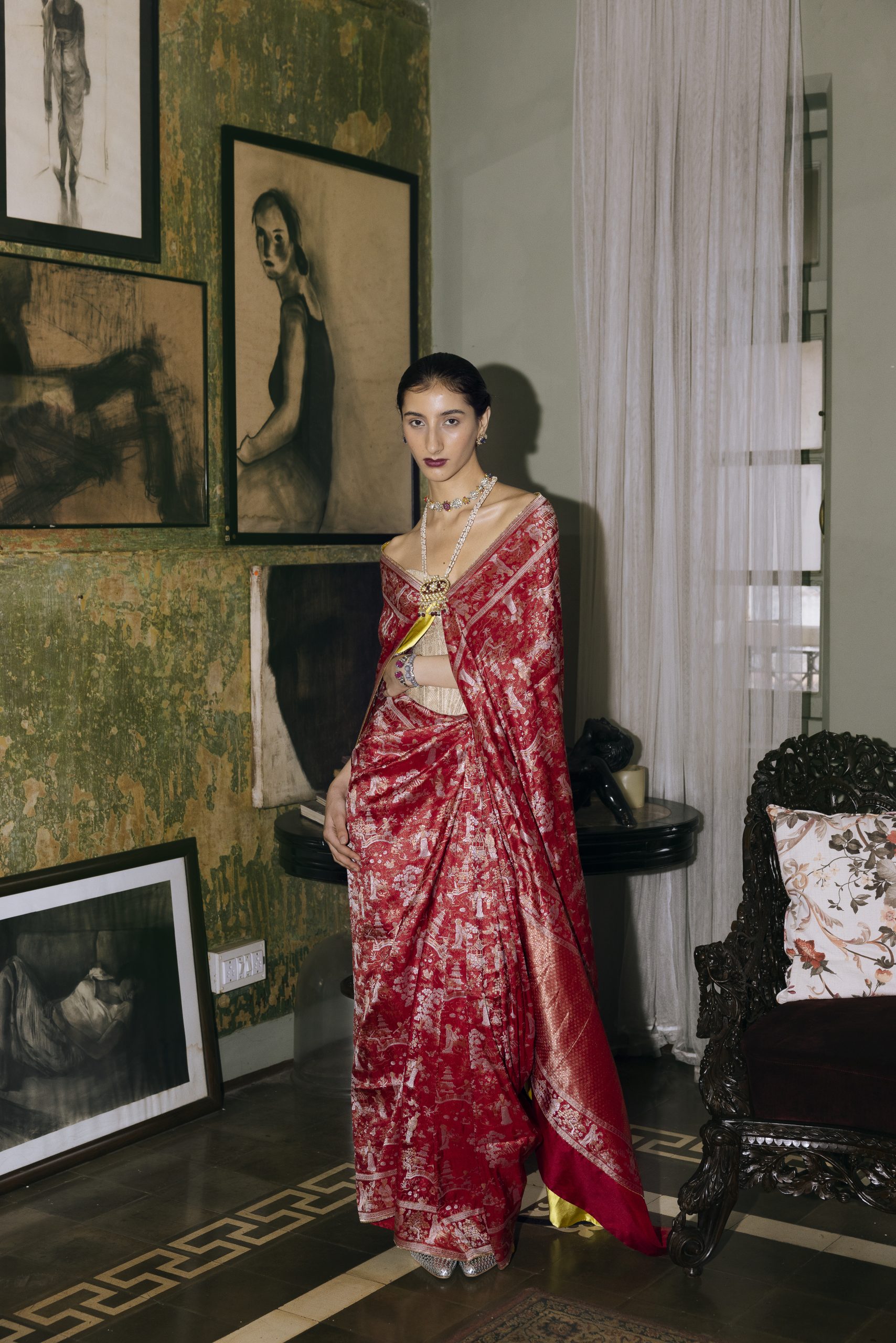
Parsi Khabar, the second collaboration between Ashdeen and Ekaya Banaras, is a limited collection that combines banarasi weaving and gara embroidery. Courtesy, Ashdeen, photographed by Adil Hasan
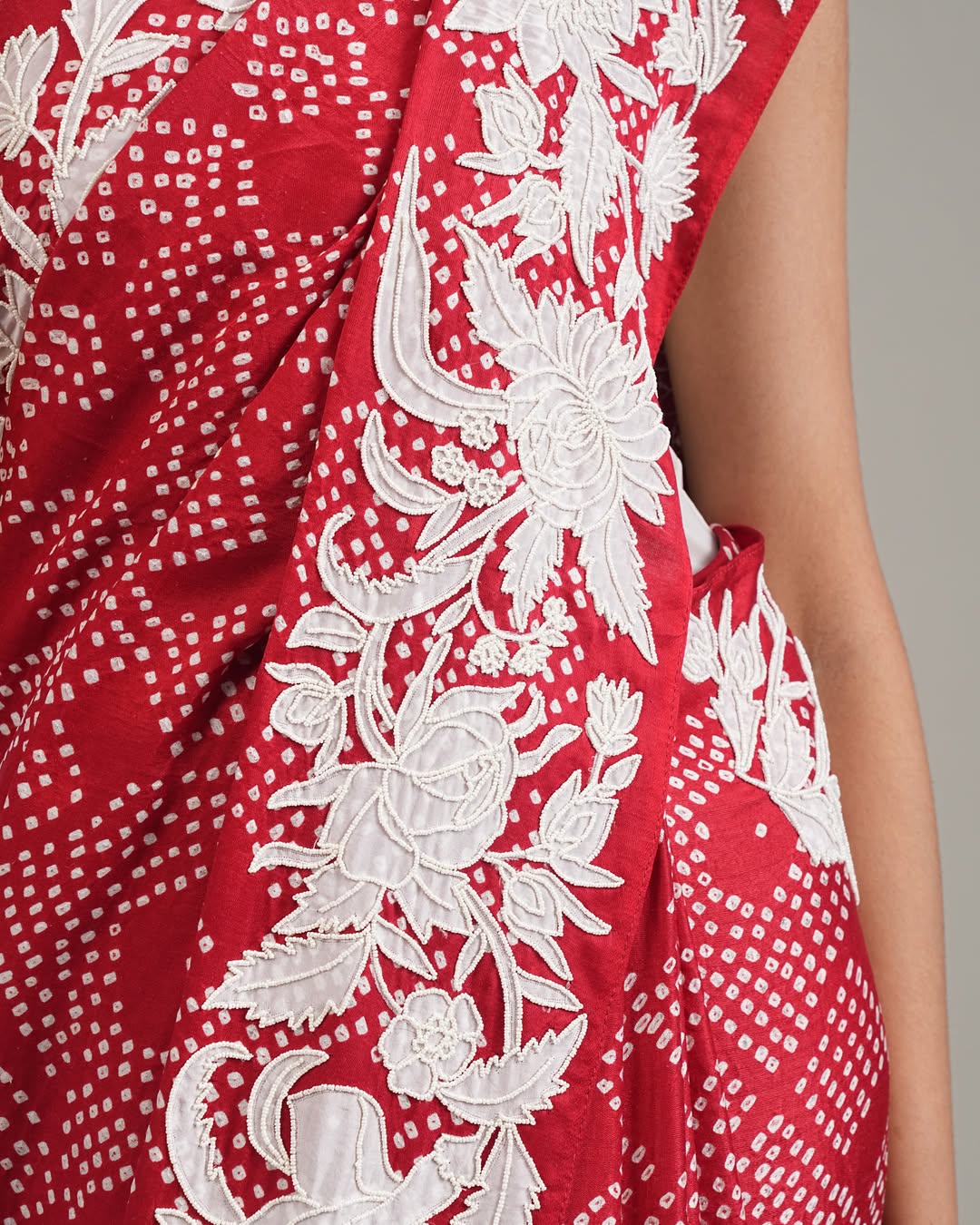
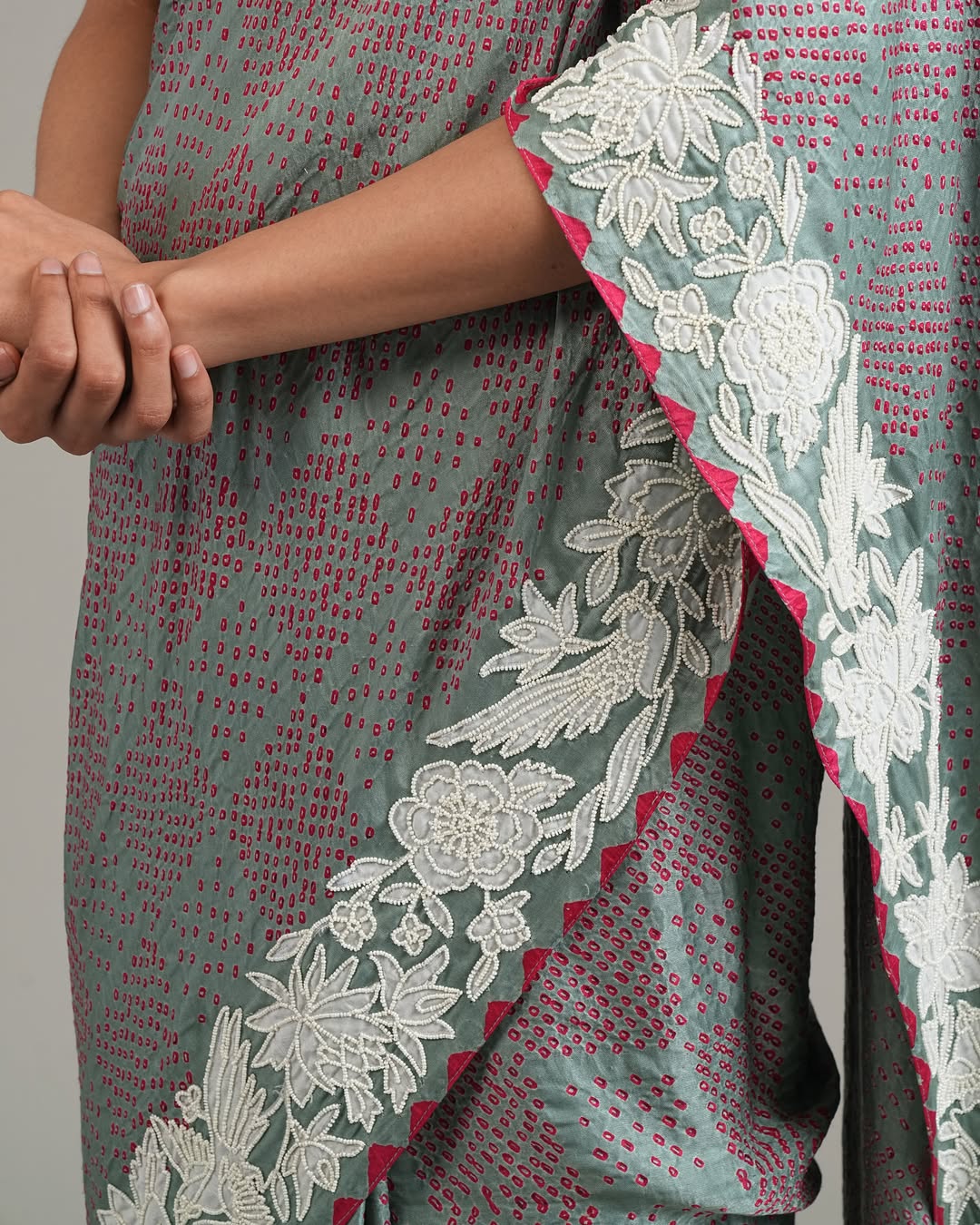
Bandhani meets gara in Tarana, a 2026 collection made with Neelgar by Kamaldeep Kaur. Courtesy, Ashdeen
Lilaowala doesn’t necessarily agree that preservation should be guided by protection. For him, textiles, much like other cultural tokens like food, are meant to be shared, “I am the last person who would want to keep something as it is,” he affirms. “You have to create new frameworks. And if you do it with earnestness that shows in the product. You take it further.”
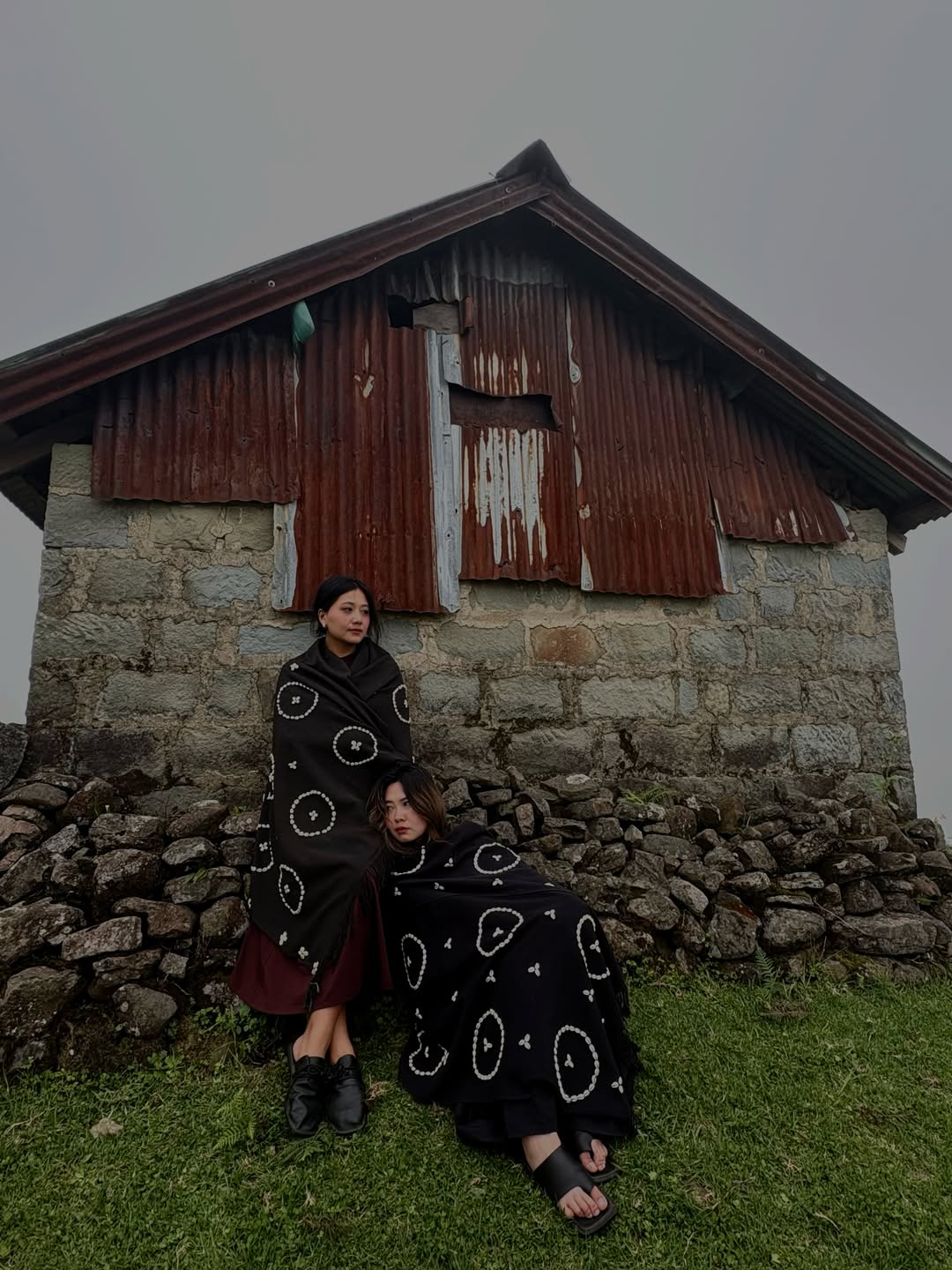
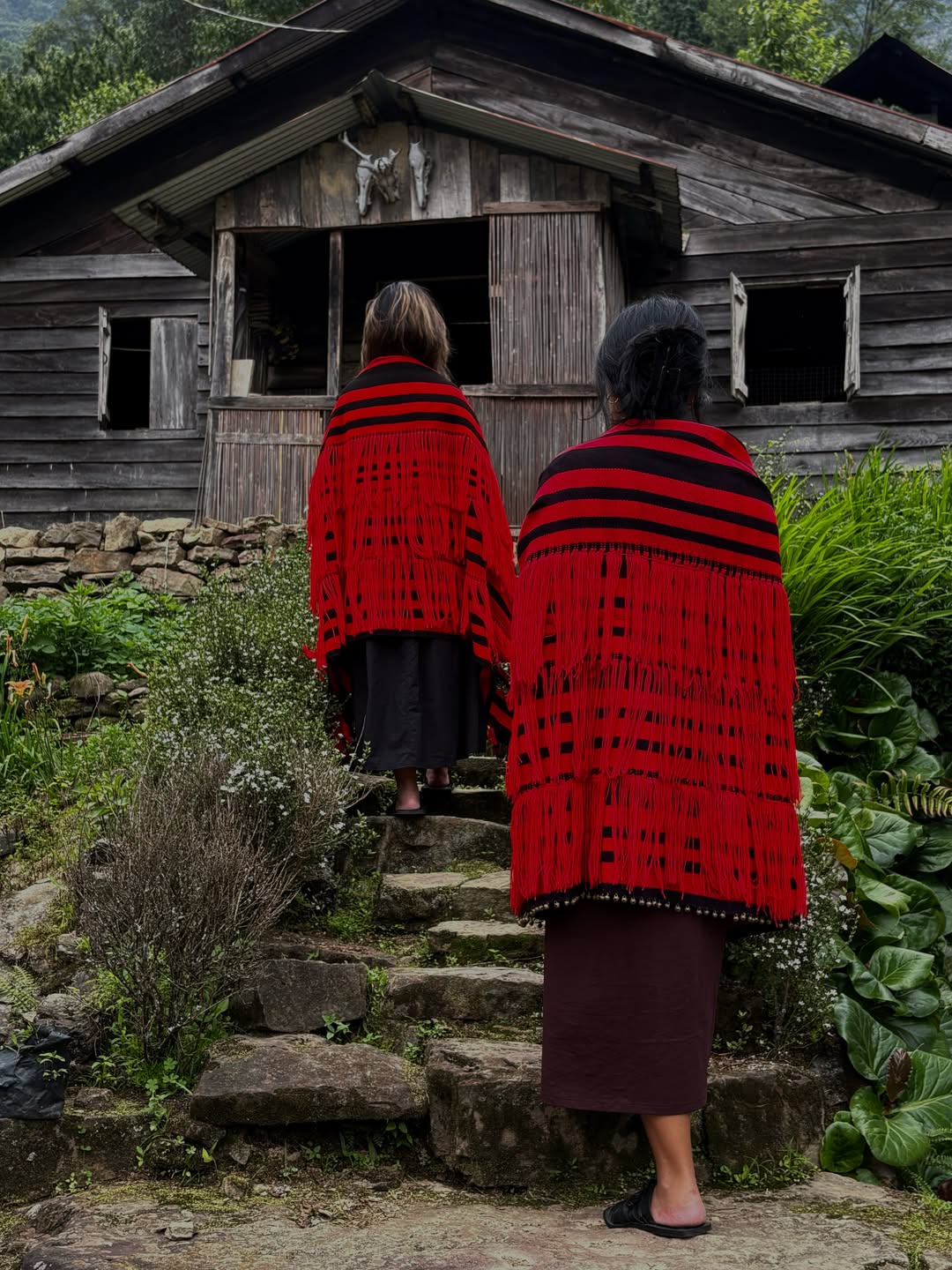
(L-R) The Sü Archive, maintained in collaboration with the Wapangla Weaving Unit, is a project that preserves textiles acquired from Late Rendikala. A ceremonial shawl labelled as Mangko Longsü; Süm Süm Sü, another ceremonial garment donned by wealthy women. Courtesy, Kintem and the Wapangla Weaving Unit
That earnestness is reflected in Moala Longchar’s Dimapur-based venture, Kintem. Started in 2023, Kintem reimagines Naga textiles into contemporary designs. A guiding principle? “I don’t want our clothing to become museum pieces,” she offers. Her operation is an offshoot of the Wapangala Weaving Unit, helmed by her mother, which employs artisans across the city. Through this collaboration, Longchar establishes an intergenerational practice that is an apt amalgamation of tradition and modernity — clearly visible in their efforts to revitalise the Naga textiles.
A stark effort was the work with bridal mekhalas. A cylindrical lower-body skirt, the mekhala is a versatile piece of clothing that remained a part of the Nagaland’s wedding traditions until slowly fading away from local imagination as western silhouettes imported from Korea, China, and Japan took over. But the mekhala had been witnessing a resurgence with young women. Longchar points to influencers donning the skirt in their every-day style and the trend carried over to weddings, where young brides insisted on a mekhala. Eventually, Kintem received enough custom orders that they launched a bridal collection, Bonded, last year. “People are welcome to wear the garment as long as they understand its integrity,” she says.
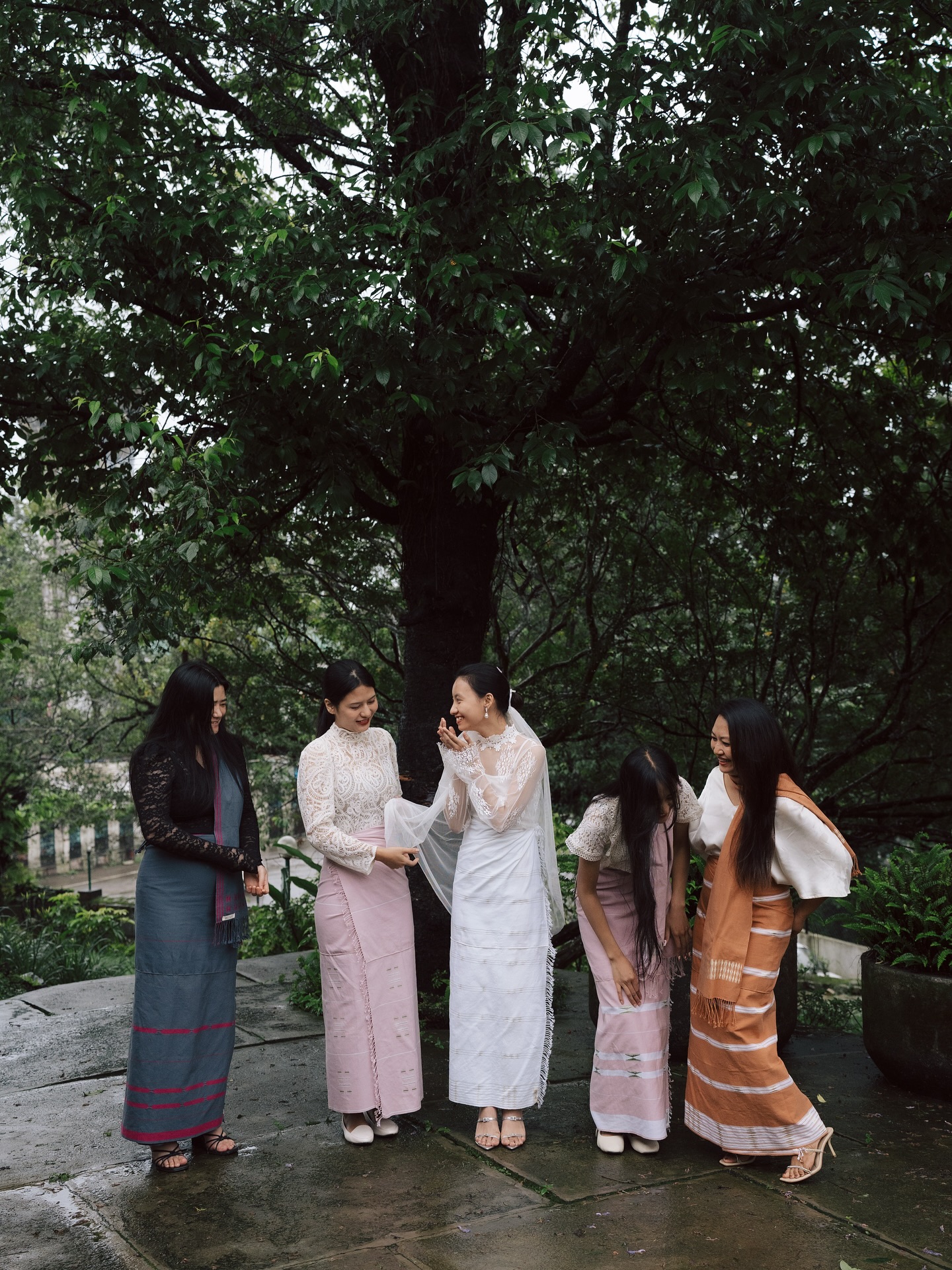
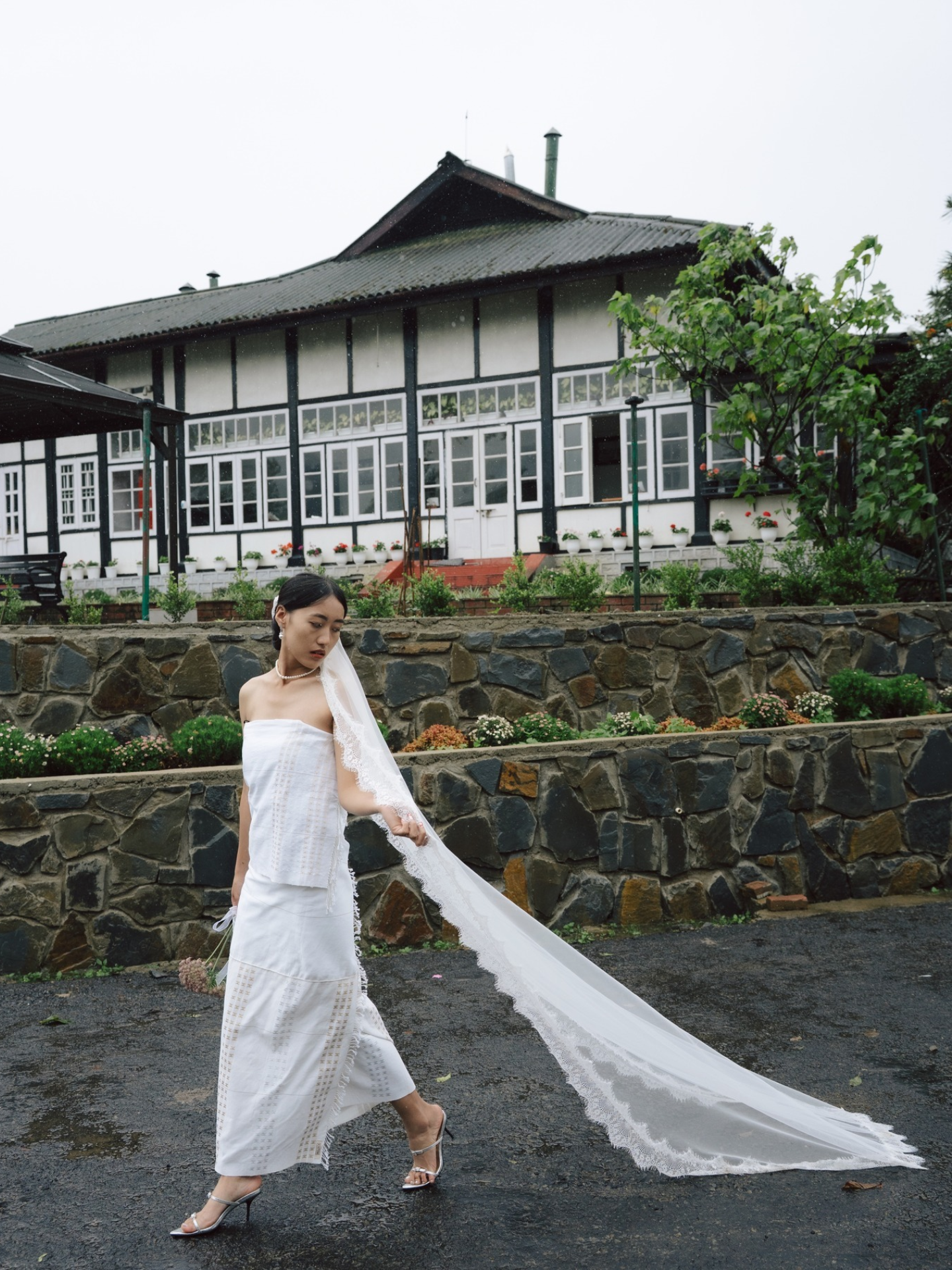
Bonded, Kintem’s first bridal collection that propelled the wedding mekhala in further limelight. Courtesy, Kintem
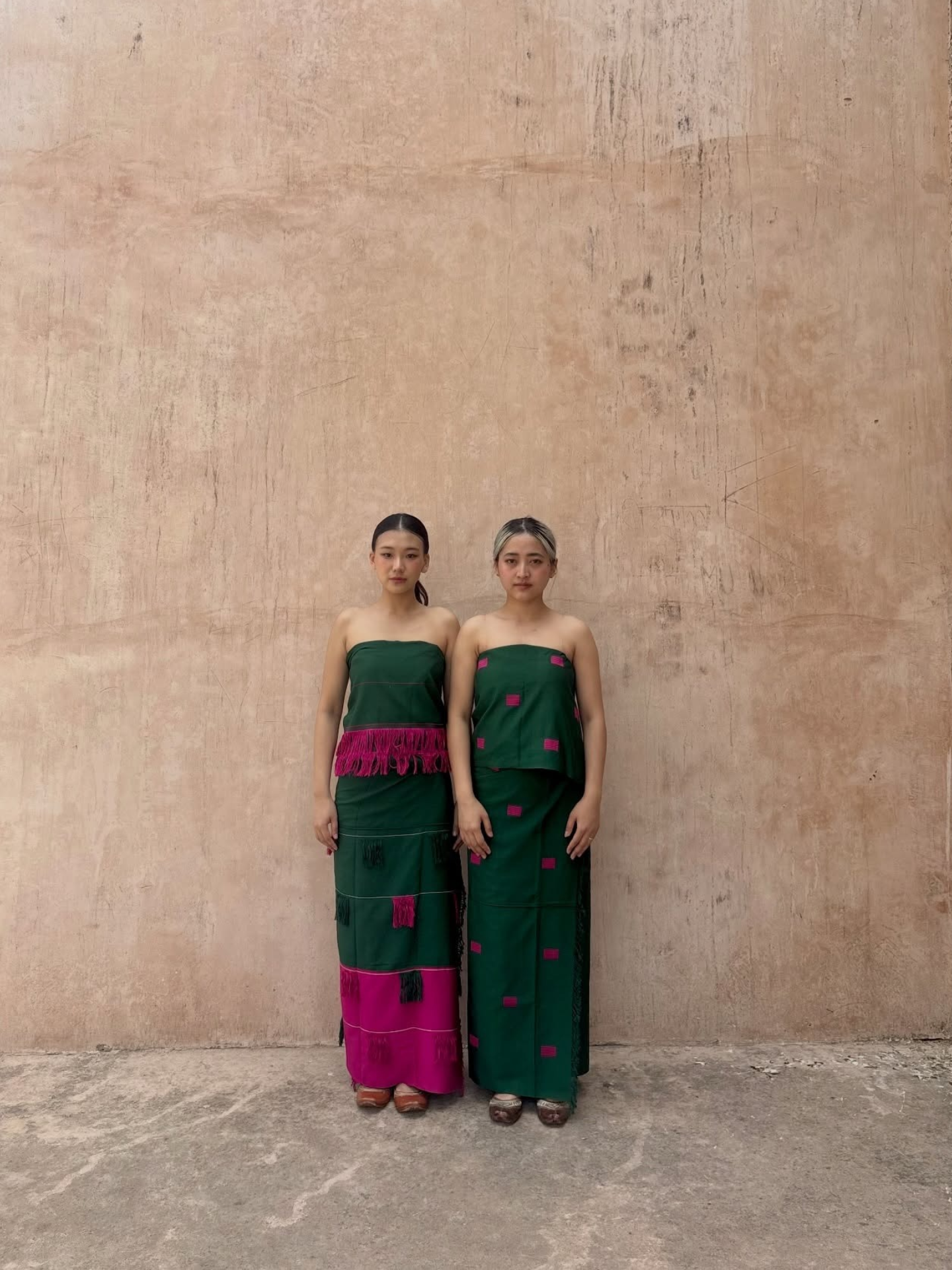
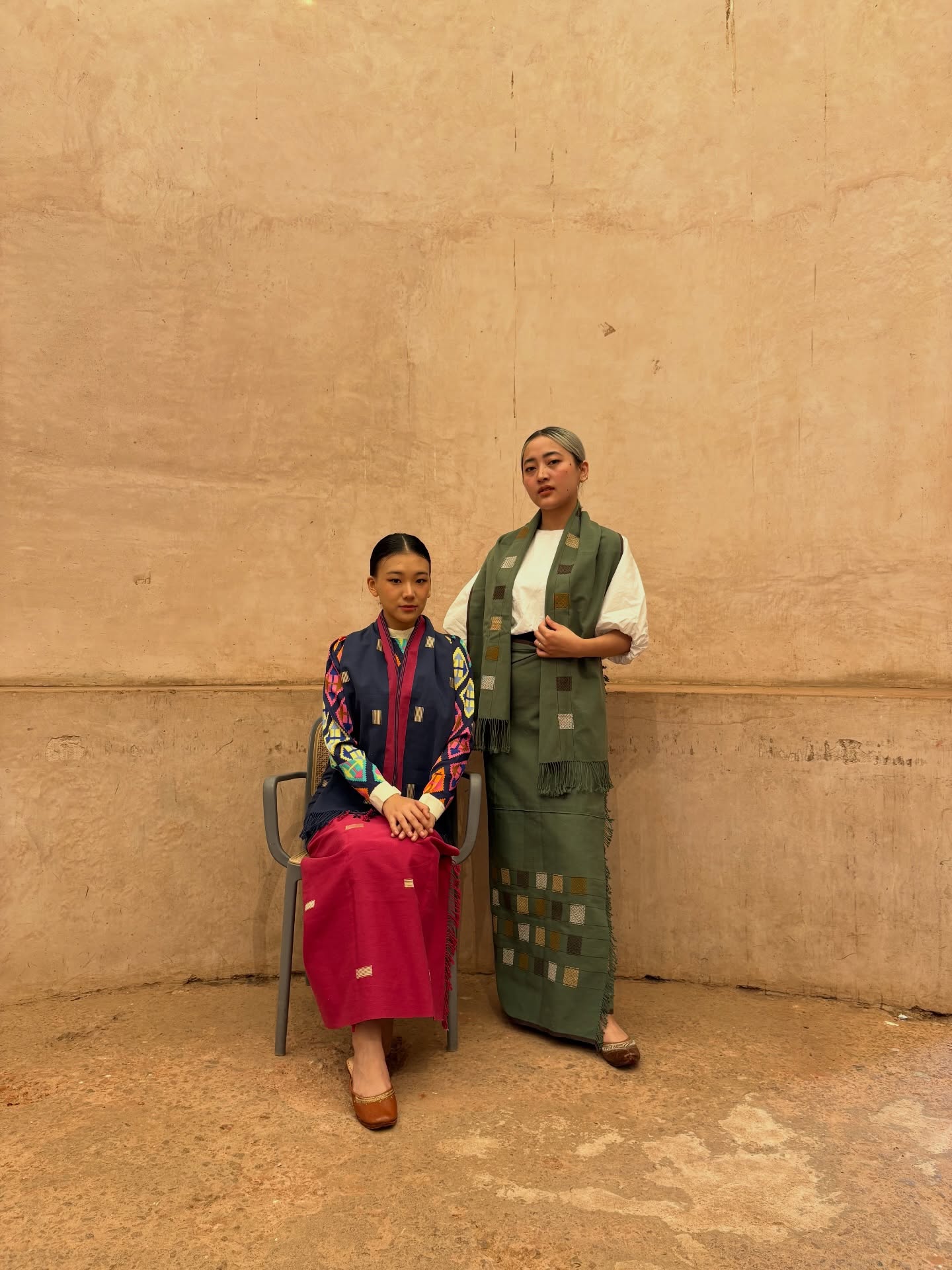
Forme, a contemporary collection with cotton, modal and bamboo yarn garments made using the loin loom. Courtesy, Kintem
Their recent collection Forme captures Kintem’s initial ethos of restructuring Naga aesthetics, while The Sü Archive presents found traditional textiles that initially came to Longchar through a museum. She doesn’t want to recreate them. “These motifs belong to their tribes, and I would not want to strip them of their context,” she shares. While Longchar experiments with colour and form, deviating from the traditionally darker Naga colour palette, she remains adamant on the preservation of traditional technique, lionloom. What she invites into their process is different dyeing techniques, borrowed from across the country. “I want to create a Naga label for the country,” she says.
That is the making of the new Indian designer: One whose story sounds familiar, one who is keen on offering unheard chapters. The next volume is in the works.
Words by Tanya Syed
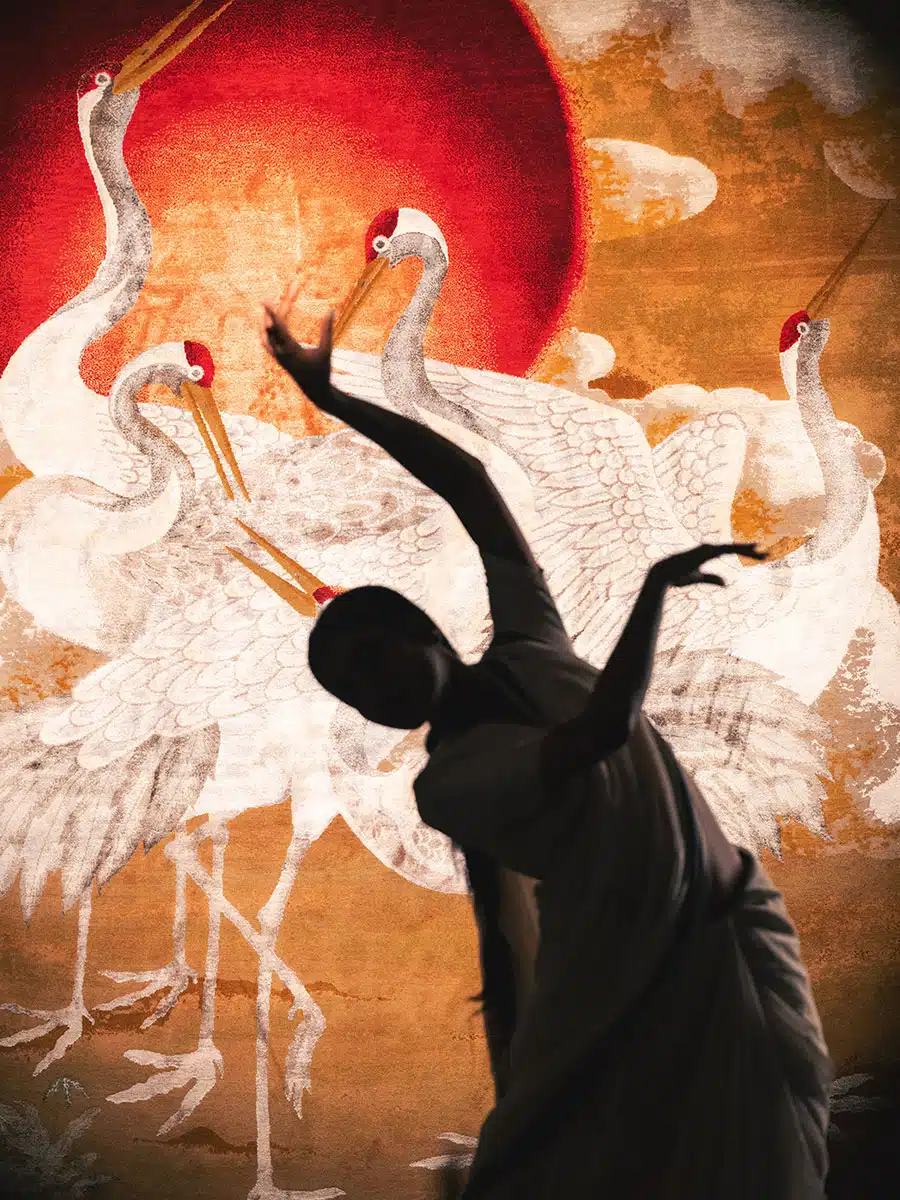
Featured image courtesy of Ashdeen and Obeetee