In 1967, MF Husain directed a film Through the Eyes of a Painter, which captured Rajasthan in less than 18 minutes. The film documented flying umbrellas, children running, a group of women singing, and everyday lives of craftspeople. Through this, we learn to see what he chooses to revisit — the memories, experiences, and the art around him — within the recurring motifs of his paintings. There are two hidden narratives, one that he chooses to disclose, and the other he hopes for us to see.
How do we choose to see its value, and what do we leave behind for the next generation to admire?
Paintings have been collected across the last four generations, to preserve the narrative the painter wanted to evoke: In hopes of the next generation to see it, or auction it to the highest bidder.
Prachi Popat, an artist and art content creator, would rather buy original artwork regardless of the medium, to sustain the craft. “I’m very proud of our generation because talking about it is one thing, but actually doing it is another. We think of art as this big, investment piece you need a lot of money to start. Which is what I thought but then I realised, isn’t me buying a miniature painting for INR 2000 on the side of the road also starting my own collection?” she questions.
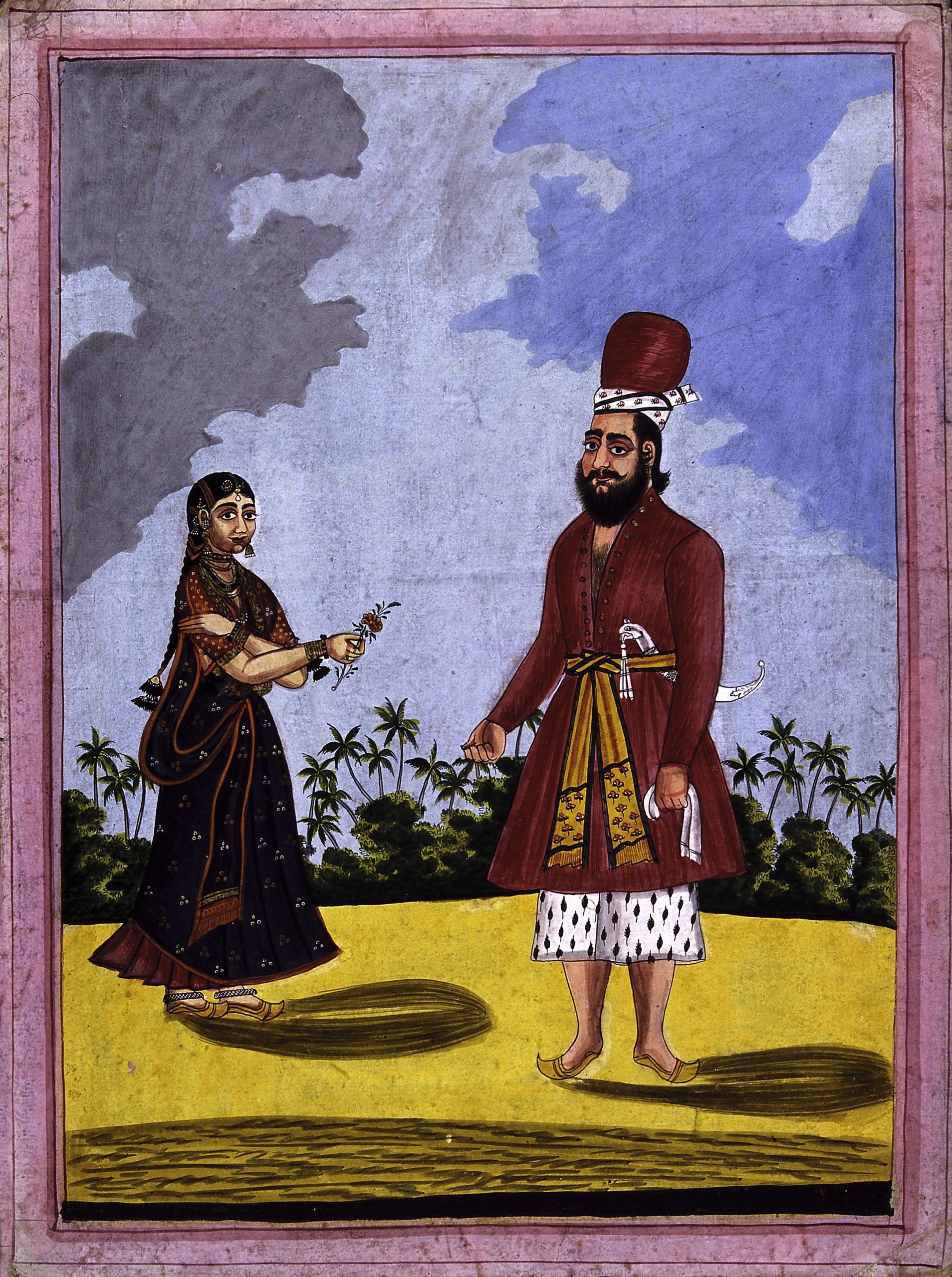
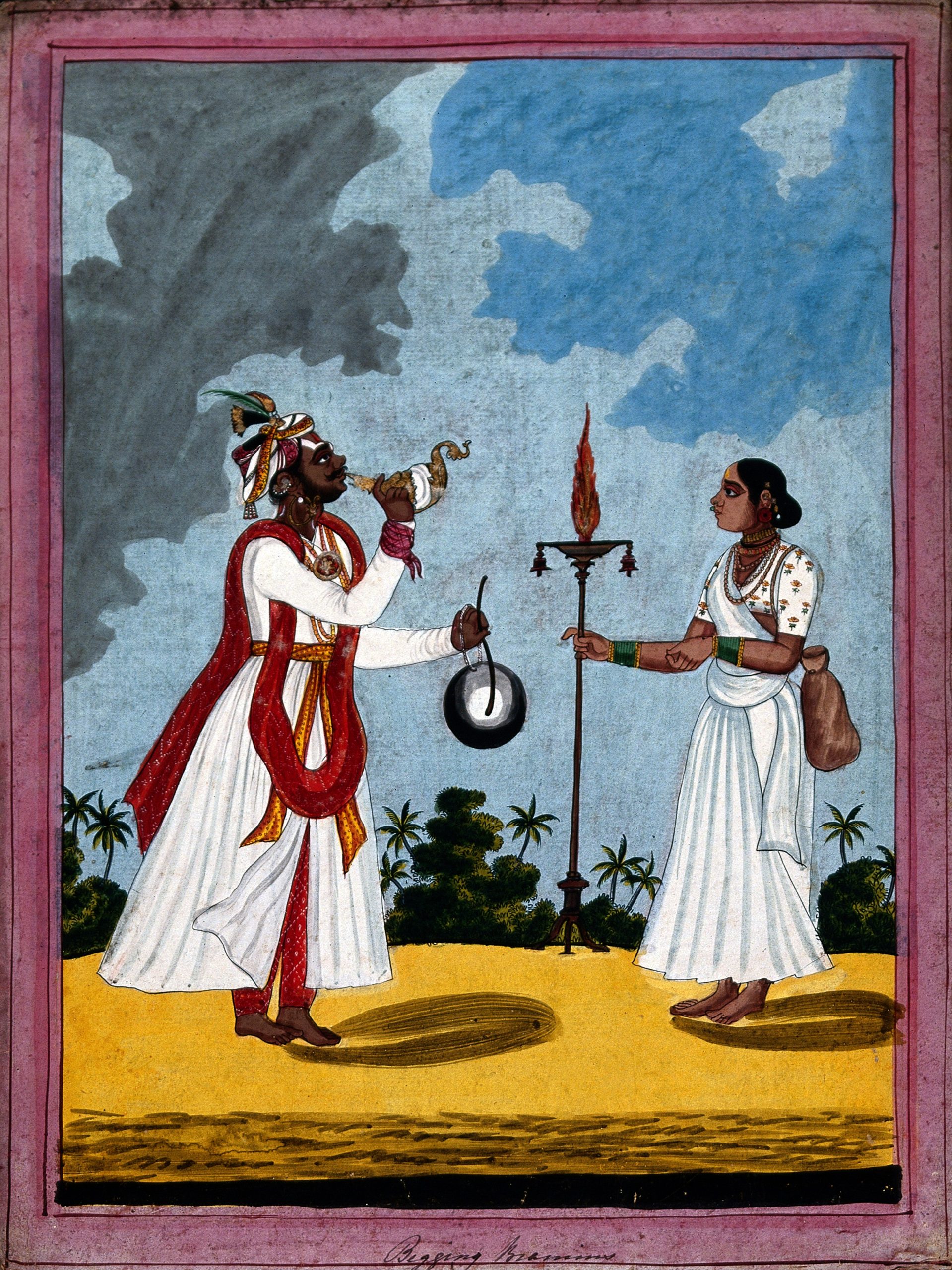
(L-R) A Sikh and his Wife, ink, gold and watercolour on paper, 1840 ; A Begging Brahman Performing a Ritual with his Wife, ink, gold and watercolour on paper, 1850
Her experience of collecting raises questions about where we seek values in traditional fine art: Is it the name of the artist, or the originality we seek? Paintings seem to be favoured still, for the Art Basel Global Survey of Collecting tracks at a consistent 20% of contemporary collection practices, ranking it the most collected medium. This could be because paintings offer us a window into the art world. An introduction to what skill, colour theory, and years of practice looks like on a big scale. But does understanding of quality directly translate to value? How does it determine what motivates us to collect?
The survey lists motivating factors for each generation: Passion for Gen X, financial gain for millennials, and compulsion for Gen Z. Shirley Mathew, an artist, curator, and collector herself, doesn’t feel the same. “I don’t think the new generation is interested in that. For that matter, very few are even interested in buying art,” she shares.
Could it be that art is still considered to be a display of wealth or something intangible, that requires huge amounts of disposable income? To collectors like Prachi, encouragement and sustaining the craft does take a monetary form. “I might not even like the work, or grow to be fond of it, but the purchase came from recognising this artist is in need. I need to show them their practice can be sustainable, through my purchasing power. It is a way for them to continue doing what they do, like the belief in someone else’s work that allows them to go on.”
Shirley agrees, recalling a recurring encounter that questions the years of experience behind the artwork. “When I quote the price, a lot of people ask me ‘how long did it take to create this work?’ The first thing that comes to my mind is, that they are equating how much paint went in, what was its cost, how many hours did I spend? But the truth is, that doesn’t matter. You have to factor in how many years of experience has gone into making that painting. How do you put a price tag on that?”

Illustration of the Mahabharata, colour on paper
In times of economic uncertainty, unrest takes several forms, and perhaps going back to classics retains a sense of timeless stability. The decision between what the art market values and what our emotions do seems to dictate the motivation for every generation to collect. Preserving bus tickets, different types of clocks, a Sonny Angel garden and patches of textiles. None of these might retain their value in the next generation, or even the next decade: Yet they can be treasured, inherited, and preserved. Instead of beauty lying in the eyes of the beholder, it shifts to the hands of the builder, whose life reflects in the very collection.
Perhaps it was never about artistic, monetary, or compulsive needs, but grounding yourself in what and how you choose to surround yourself with beauty.
Words by Anya Shankar
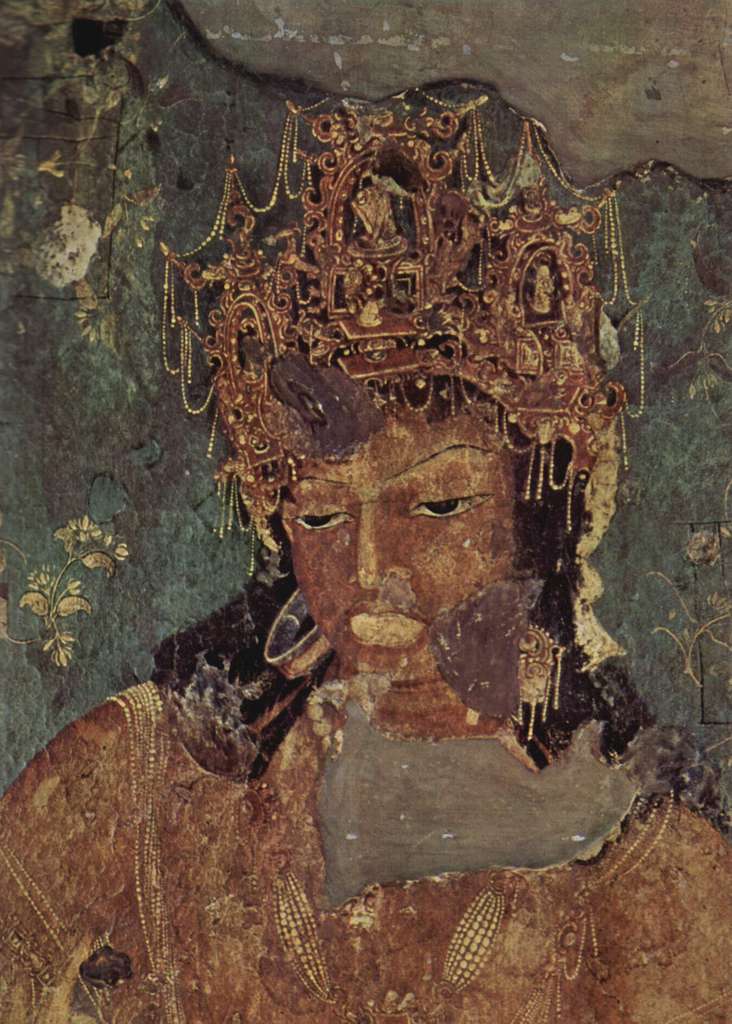
Featured Image: Vajrapani Court Scene, Ajanta Caves