A couple of years ago, I sat in a philosophy seminar in New York where a bunch of fellow grad students came together to dissect the ideas of beauty, wonder, and awe. It was a group of us in our early twenties, asking questions about human existence, but bigger feelings we felt as we trotted through our youth — how and why do things make us feel the way we do? Amidst our conversations on Kant’s idea of the Sublime, and Walter Benjamin’s Aura and its Historical Loss, and everything else in between, we shifted to the experience of wonder from something massive and beyond our lives to material objects and the memories they carry.
It was at that moment I spoke of my fascination with Dhaka muslin, the mysterious fabric said to be woven of air from an undivided India (and present-day Bangladesh) that the world loved and lost almost two hundred years ago. While the Muslin was the region’s most celebrated export, Bengal once clothed much of the world, accounting for roughly a quarter of the world’s textile trade before industrialisation changed the history of global production forever. The remnants of the glorious muslin now exist in private collections and national museums, kept hidden behind glass cases, looking at which continues to make the hair on my neck stand.
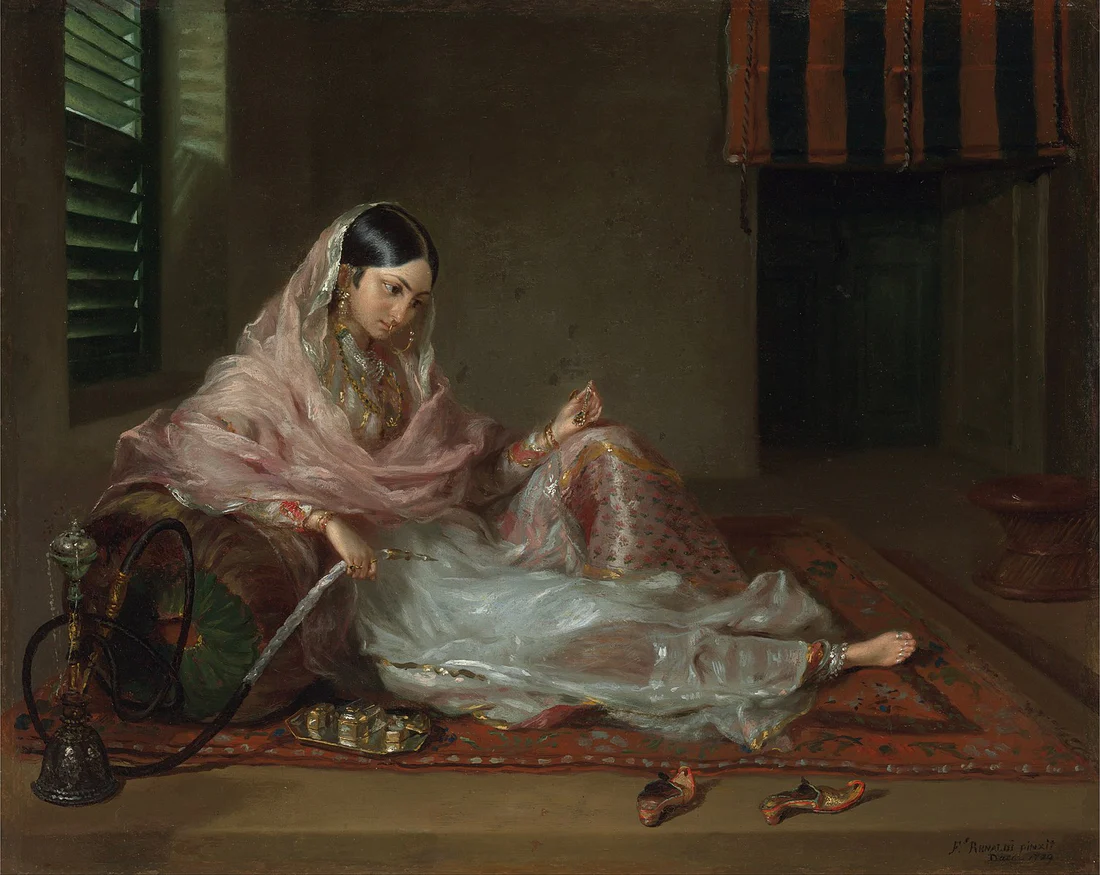
Muslim Lady Reclining or An Indian Girl with a Hookah, painted in Dacca, Bengal Presidency. Woman clad in fine Bengali muslin, 1789. Yale Center for British Art
In a country like India, where so many textile traditions co-exist, many have been lost to time. Some were documented; others were not. Some survived; others did not. While the Dhaka muslin remains the poster child of the revival project of South Asia, our collective history of loss has now, more than ever, made us look back in time and recall the textile craft traditions that have been overlooked, or worse — forgotten. Beyond our own world, craft knowledge has been under a constant decline globally; fewer generations are able to carry the skills they inherit, which poses a larger question on the loss of cultural memory itself.
It is in these moments when one thinks of a revival project: A rescue plan lasting years’ worth of effort to either revive a dying craft, or sit down with surgical equipment to dissect a corpse of a textile tradition in hopes of doing something almost next to impossible — to bring a dead craft back to life. But what does it mean to truly revive a craft? Many things play an important role, but first and foremost is strong institutional support of government bodies and NGOs, which provides financial security to the revivalist and the community of artisans attempting to revive a craft. For a person getting their hands dirty with the leftovers of history, there is a lot at stake — the future for a community of artisans, extensive research to understand the technicalities of the craft they are working on, while challenging the arms of the clock.
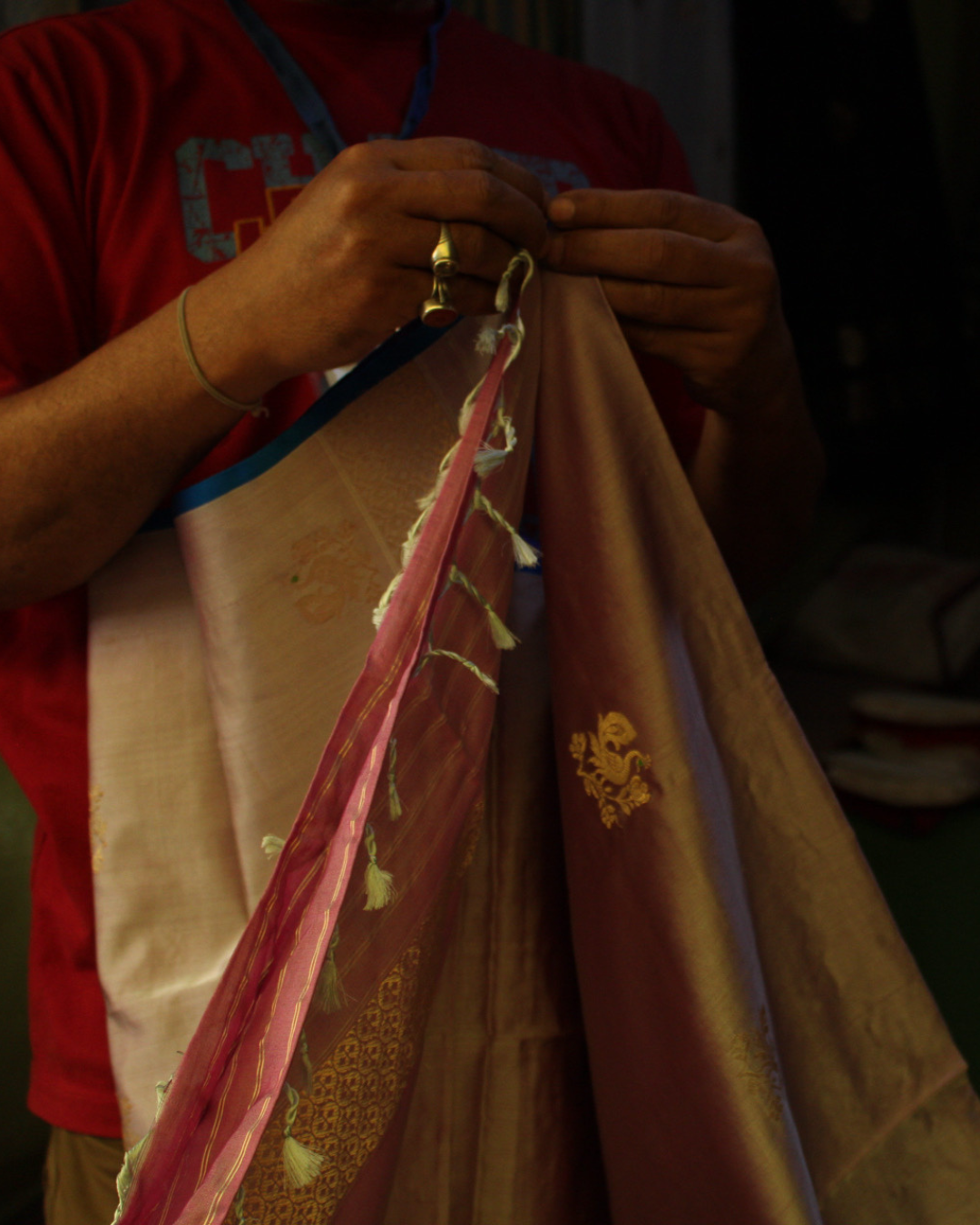
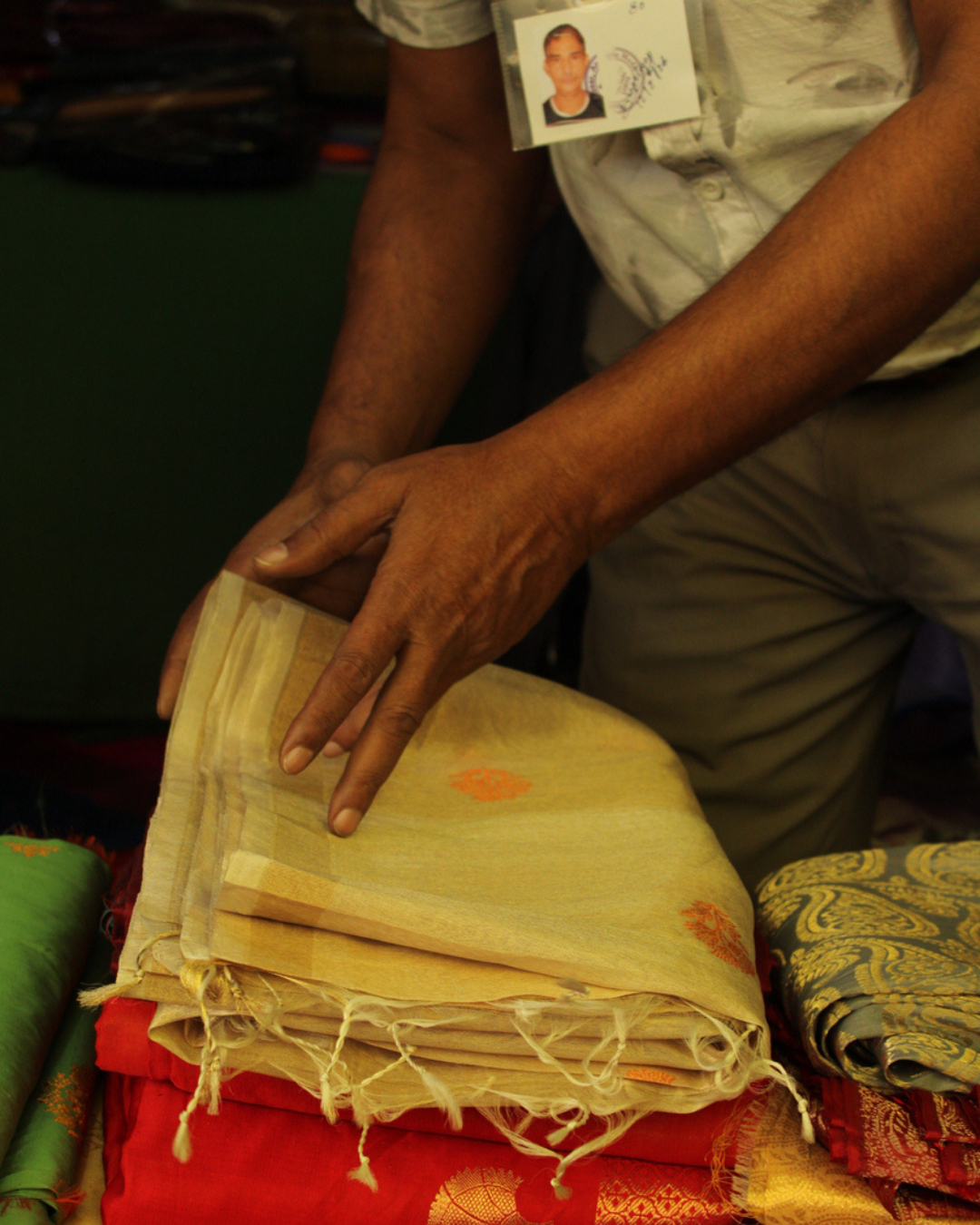
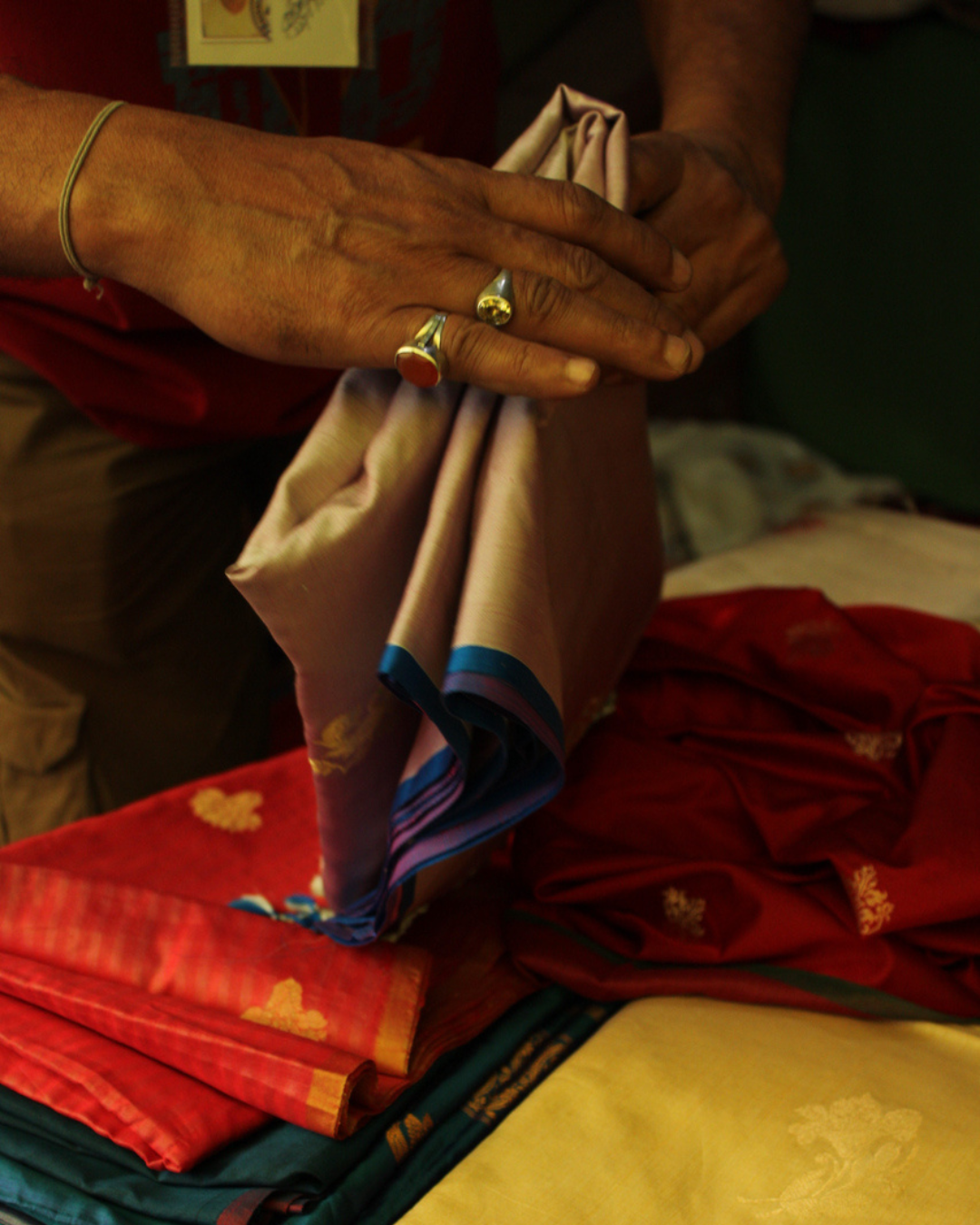
Even as consumers return to craft textiles, the artisans continue to be financially vulnerable
In her essay Revivalism and Revivalists, craft activist and co-founder of Dastkar Society for Crafts and Craftspeople, Laila Tyabji argues, “If we remove the protection and incentives for weavers to continue weaving their traditional products and sarees, we will suddenly be bereft of our past. We would literally be naked without them.” Tyabji reminds us to take accountability and here questions the present actions we are (or should be taking) to ensure the future of weavers of India. She asks what responsibilities we bear as consumers, and as institutions and structures of power that have the ability to make that change through groundwork.
The loss of blood memory of the craft knowledge, lack of proper documentation, and the increasing decline of the practices because of consumer patronage have led to the subsequent generations of kaarigars to pivot towards different career paths. The effort is laborious, and the financial gain is less. The conundrum of Indian craft is cultural abundance and economic fragility. The consumers, now, more than ever, are returning to craft but the artisans continue to be financially vulnerable. While the sector employs over a crore people, an average craftsman earns INR 270 per day [Institute for Human Development; Crafts Council of India].
Reviving a craft is one thing; sustaining that revival is another. In an economy where the majority of the masses struggle to buy “natural fabrics”, the lifeline is cut short for textiles that require more logistical and technical support to continue sustaining them.
Beyond the role of the revival projects lie more political choices — who gets to revive the craft, and what craft gets revived? What role do public and private organisations play in revival projects? What is at stake for an entire craft and the community that invests their lives in something that defines their lineage and families? “It’s more about bringing something historical in the day and age we live in,” says textile artist Nikita Shah. “It is about expansion and holding onto the skill, the craftsmanship, the attention to detail. It’s about taking traditional methods and evolving them for the present world. Sometimes, an outside intervention is needed [the revivalist], which ends up creating a new vocabulary for the craft. That new vocabulary shapes it for the present and future.”
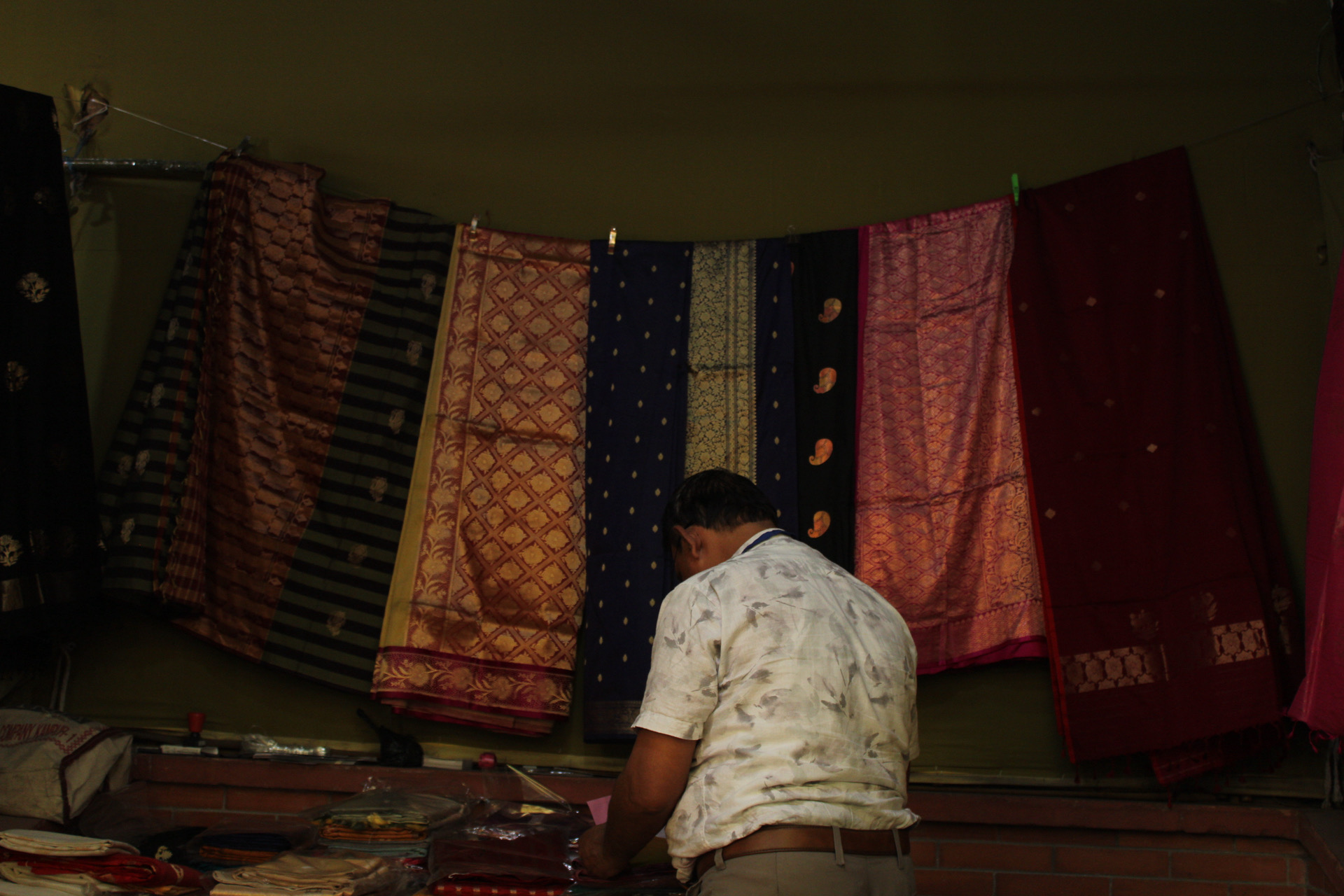
Weavers of Uttar Pradesh display their collection of woven sarees in Delhi’s Dastakar
The primary sources of our textile knowledge come from visual media (paintings and colonial photographs) or, if one is brave enough, by going deep into the archives (colonial or otherwise). These sources don’t necessarily answer questions but exist as a space where the ghosts of many such lost textiles exist on the margins. Memory plays a crucial role too — what did we see our mothers wear? Did the family wear “real” silk during festivals?
Revival projects, then, pose a larger question on life and beauty itself — should we let history take its course and let some crafts complete the circle of life? Moreover, what crafts will we be able to save for prosperity? Amidst the conversations on Indian textiles and their existence in history (or lack thereof), lies the feeling of wonder and awe.
A revived fabric says something more about the present than about the past. A revival project reflects our present anxieties about the uncertain future of our transient lives, but it also reflects hope; a hope for a world where our artists don’t continue to sit hunched over with physical ailments that make it impossible for them to practice something so sacred to them. It’s a hope that someday, they realise the work they do matters, now more than ever.
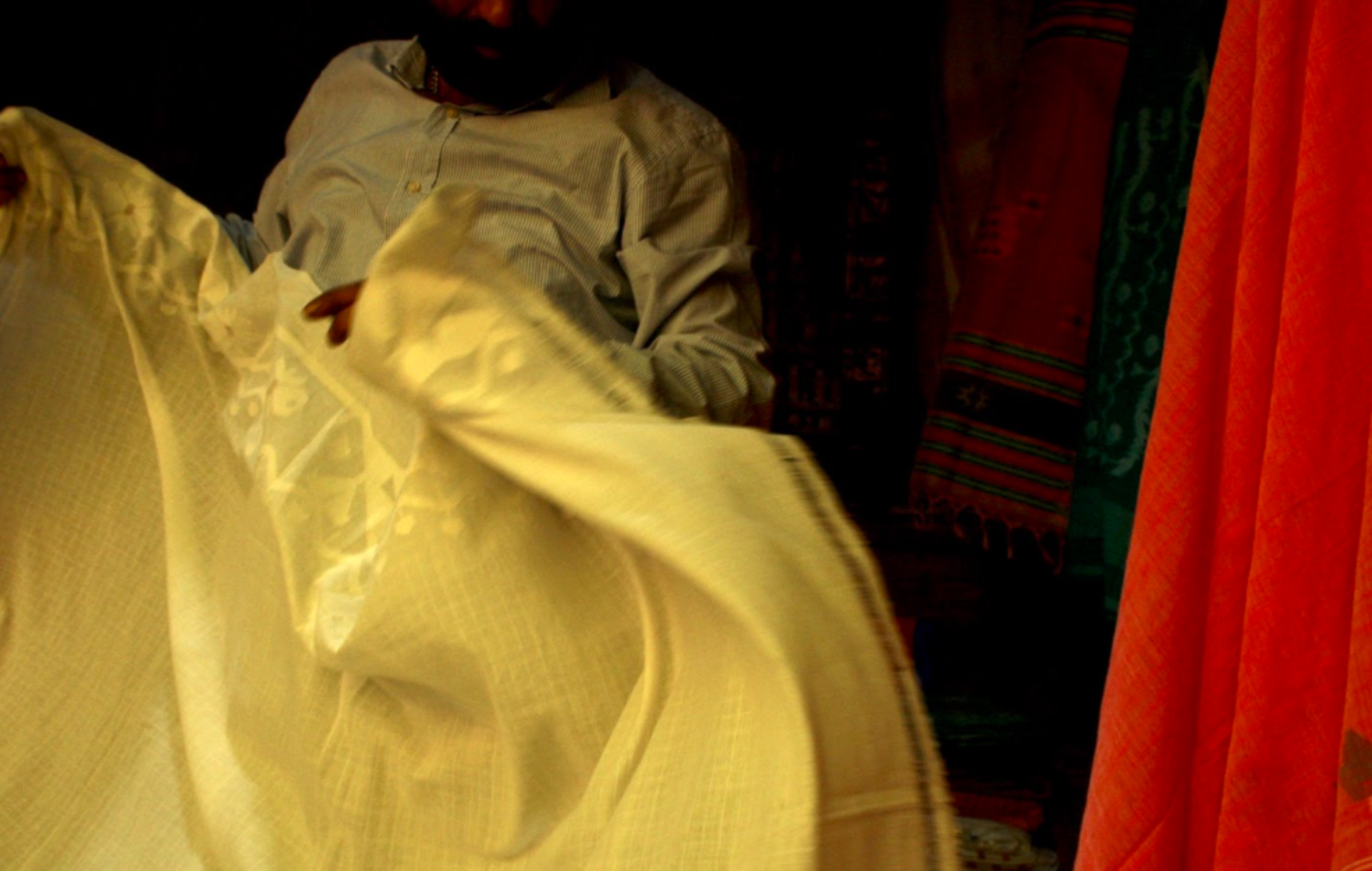
Jamdani is said to be the cousin of Dhaka’s lost muslin. Weaver Samresh Banerjee measures and chops a yardage
Will a revived Dhaka muslin make my hair stand the same way an eighteenth-century piece of muslin did? If not, then is it revived or does it just exist to fill the gaps of loss we feel today, about the time we never experienced and all the fabrics we never got to feel on our skin?
Maybe it’s not about fashion at all. Sometimes, you fight death and history to bring back something so crucial to the identity of a nation that the resentment they hold within finally comes to a resolution. Revival projects, in some way, are an attempt to seek forgiveness from history and from descendants of craft communities wronged years ago by colonisation and continue to be taken for granted — the fabric makers of South Asia.
Words by Harsh Aditya
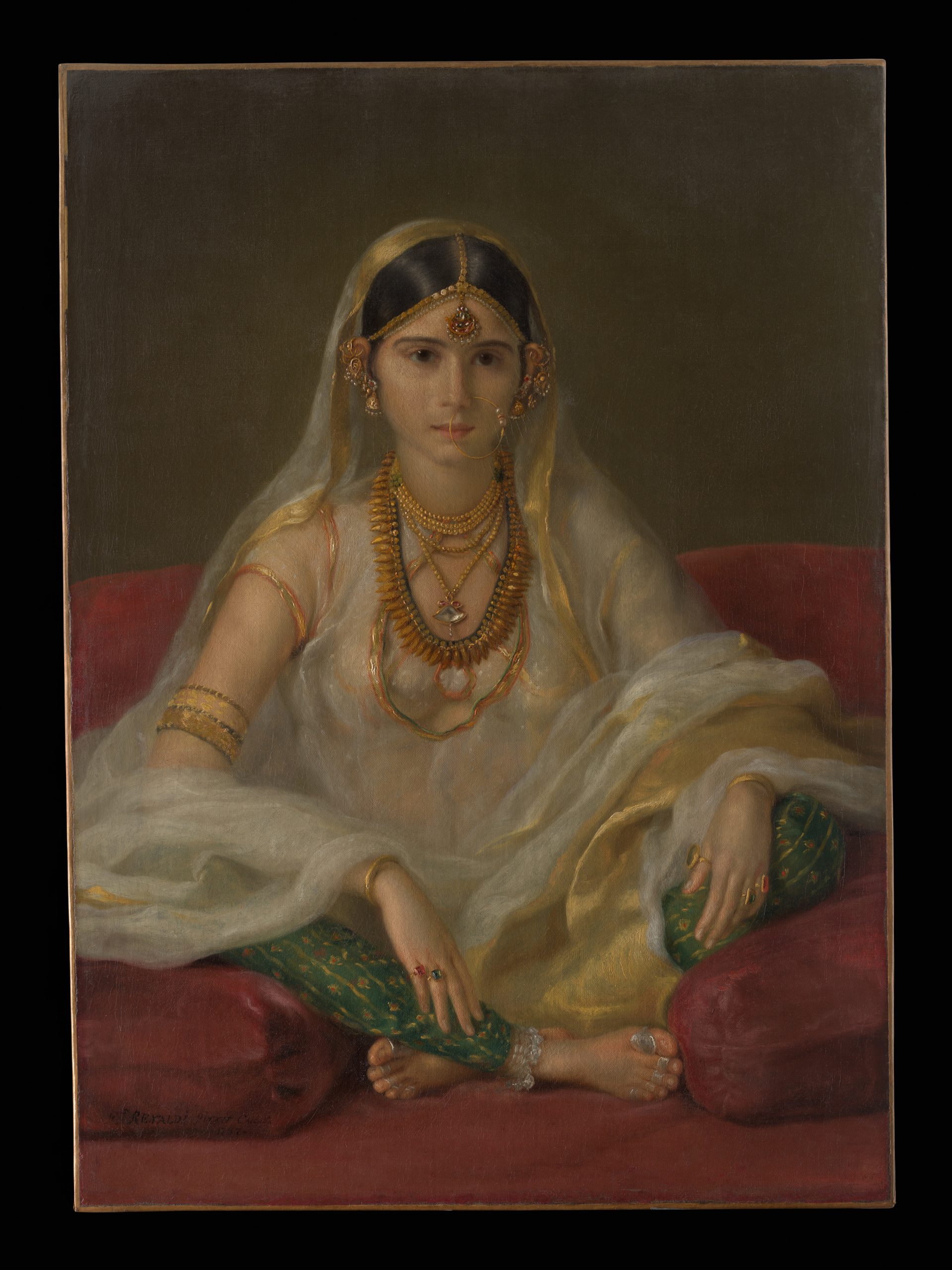
Featured image: Portrait of a Mughal Woman (1787) by Francesco Renaldi