Long before history was written, it was drawn.
Inside the caves of Altamira in northern Spain, thousands of years ago, people covered stone walls with bison, horses, deer, and other animals. The images were not accompanied by explanations, dates, or written accounts. They were simply there, traces of how people saw the world around them, what they noticed, and perhaps what they considered worth leaving behind. The desire to make an image of the world predates the written word.
Much later, archives were built from documents, photographs, newspapers, and official records, deciding what survived as history. But there have always been experiences that resist such neat preservation. A family displaced from its home, a childhood shaped by conflict, a community negotiating a changing landscape, or a political movement remembered differently by those who lived through it. This is where graphic novels occupy a particular space. They can take social conflicts and personal histories and bring them down to the scale of an individual life. In doing so, they do not necessarily simplify difficult histories: They give us a way into them. The personal becomes a way of seeing the political, while the political gives context to lives that might otherwise appear private or incidental.
The first thing these books alter is the distance between an event and the person experiencing it. A dam project can be discussed in terms of development, infrastructure, and policy, but The River of Stories — Orijit Sen’s 1994 graphic novel about the Narmada Valley — brings those questions down to the communities and landscapes affected by them. Development is no longer an abstract idea. It has faces, homes, and consequences: The political enters the personal.
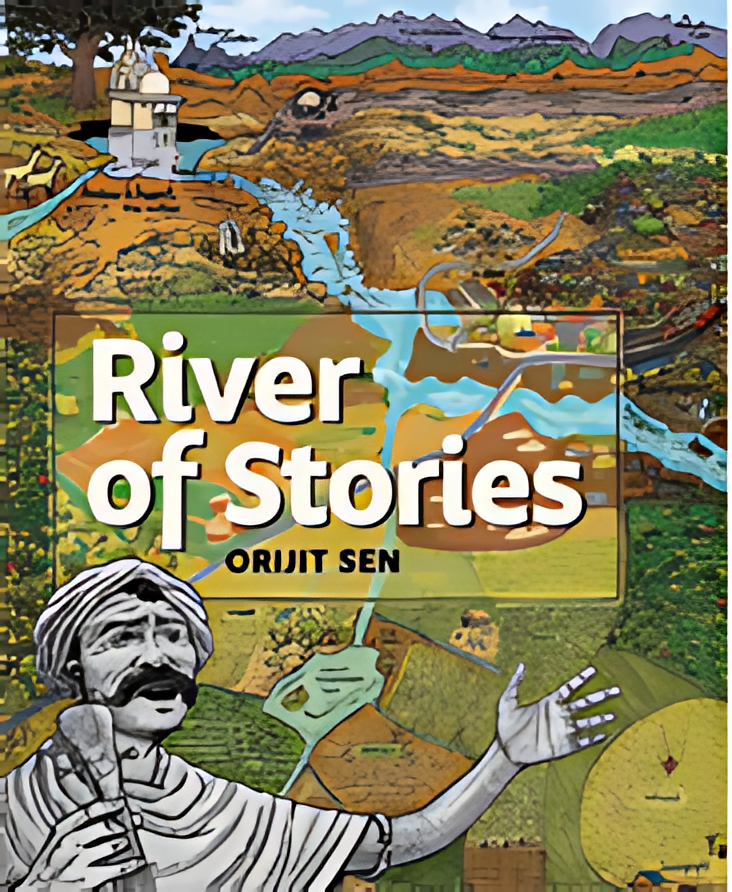
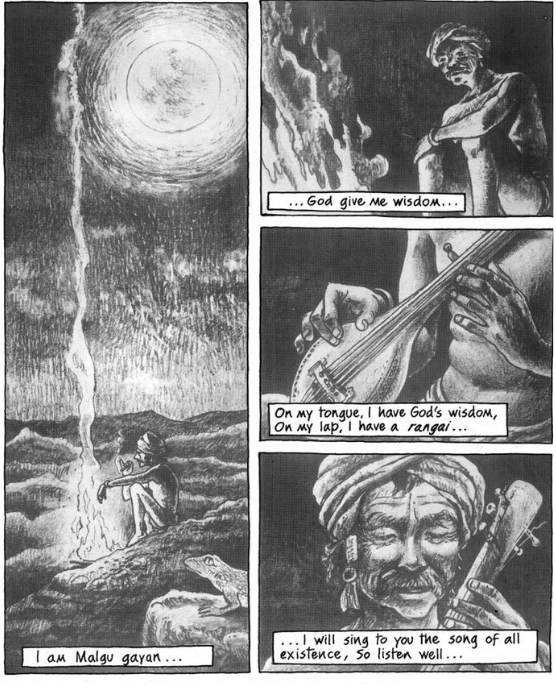
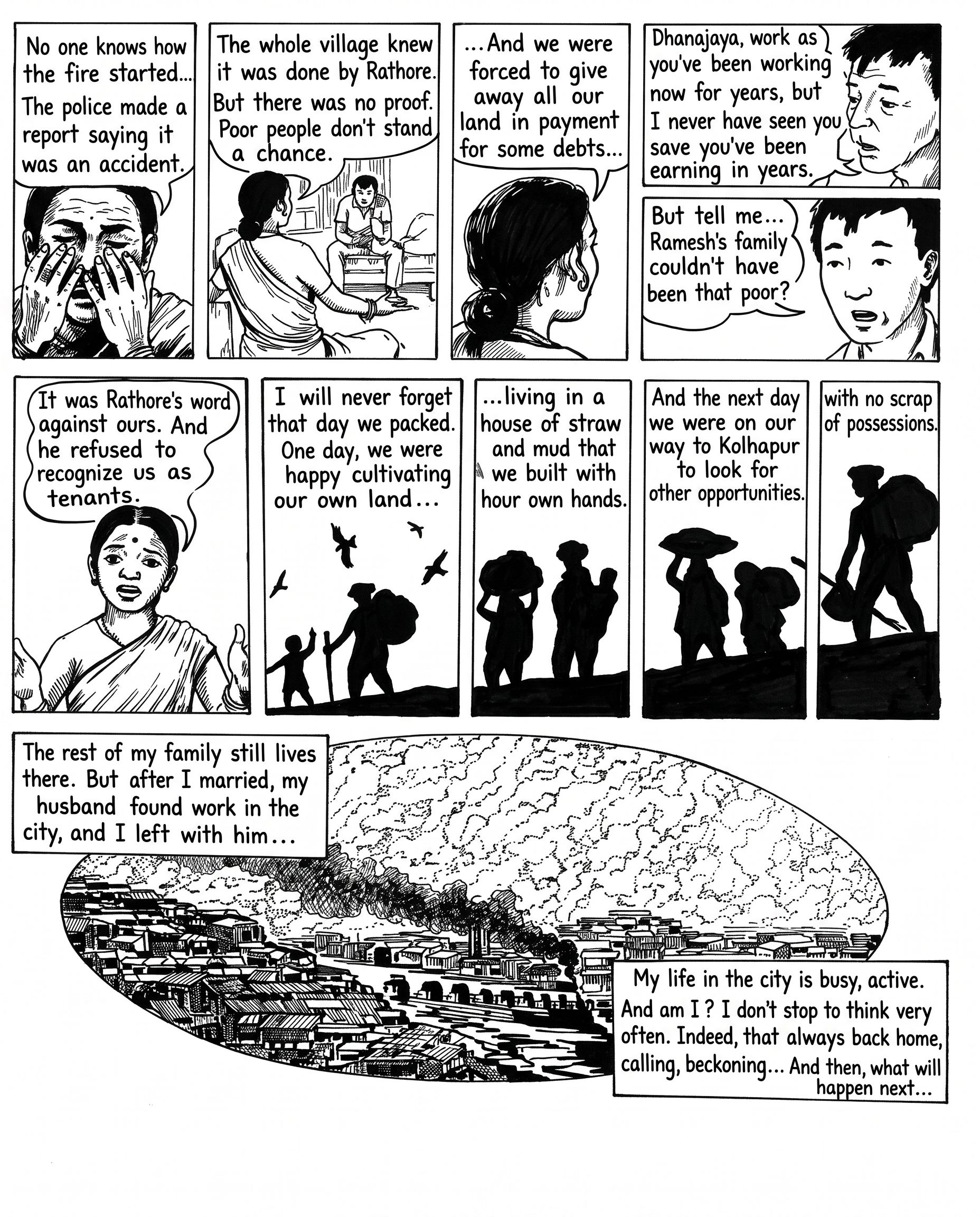
The River of Stories by Orijit Sen (1994), tracing the human impact of development in the Narmada Valley
A similar intimacy shapes Kashmir Pending, written by Naseer Ahmed and illustrated by Saurabh Singh. The book brings the larger realities of conflict into the texture of everyday life: Moving through a city, maintaining relationships, and learning to live with uncertainty. Kashmir is not treated as a distant political question, but as an everyday reality. The conflict shapes where people can go, whom they can trust, what their families live with, and what eventually becomes normal.
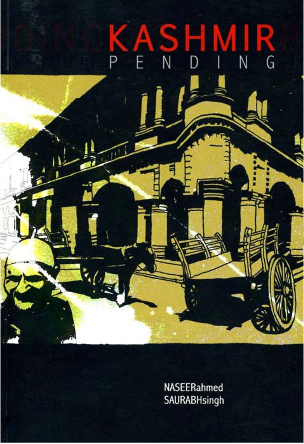
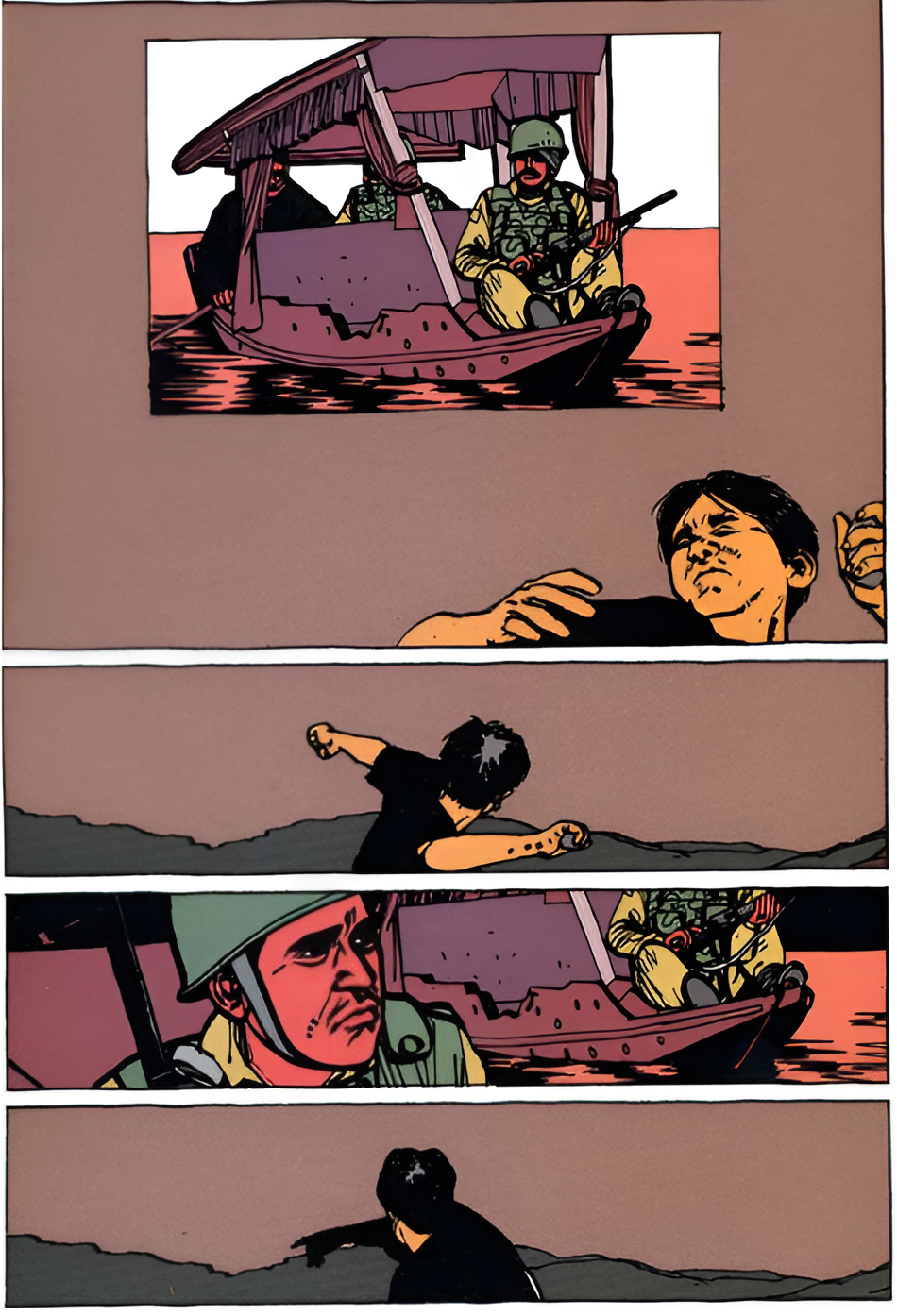
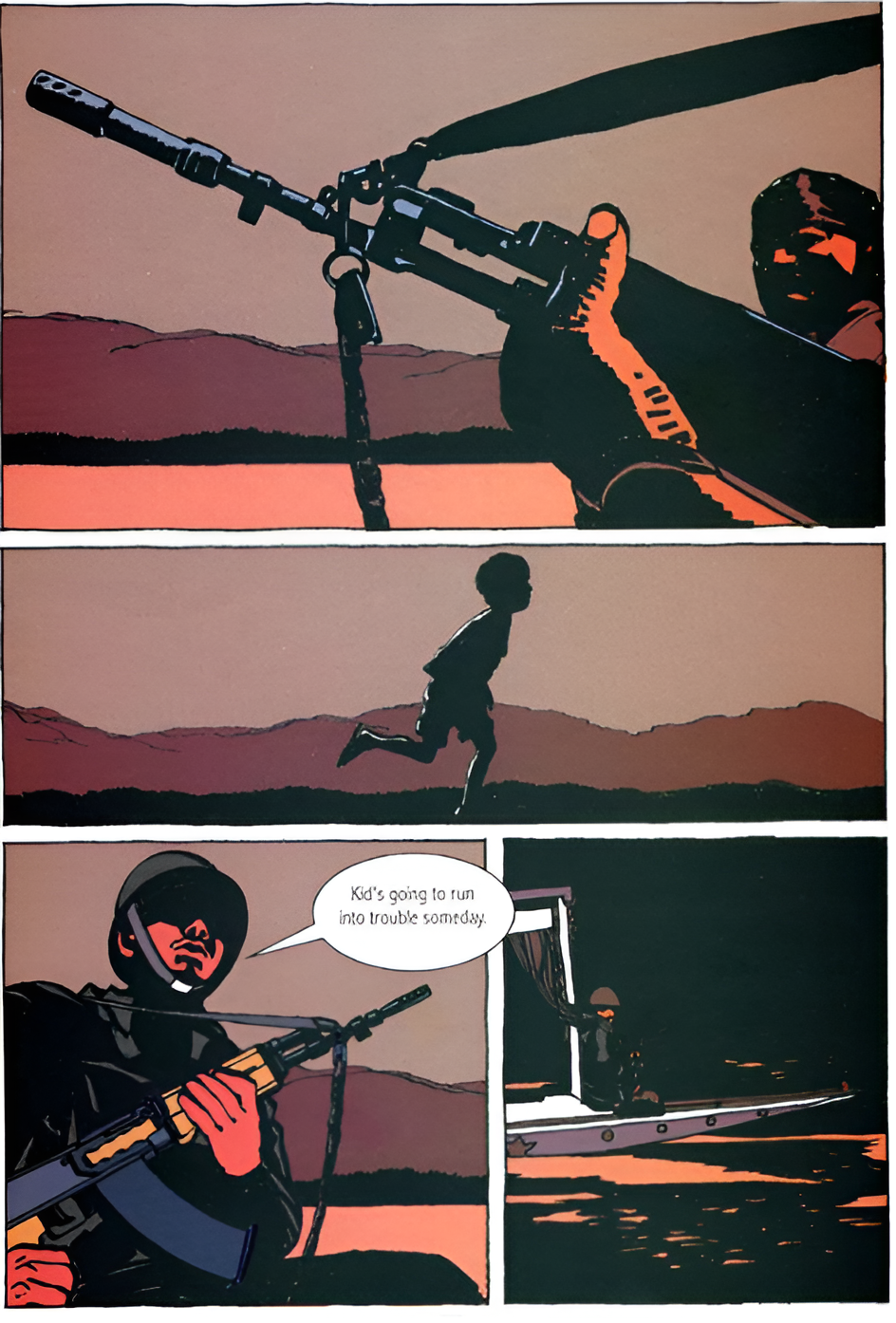
Kashmir Pending by Naseer Ahmed and Saurabh Singh (2007), a visual chronicle of life in conflict-torn Kashmir
But lived history does not always gather around a recognisable political event. Kari, Amruta Patil’s debut graphic novel, turns inward, following a young woman through loneliness, friendship, sexuality, death, and urban life in Bombay. The book gives weight to experiences that are often treated as private or incidental. It preserves the experience of being young and queer in India in the early 2000s, placing a social reality on the page that might otherwise remain outside the archive. Kari’s sexuality is not a footnote to the story; it shapes her relationships, solitude, and sense of self.
Taken together, these stories complicate the idea of what a historical record is supposed to look like. This becomes even more significant when there is no one way of remembering an event.
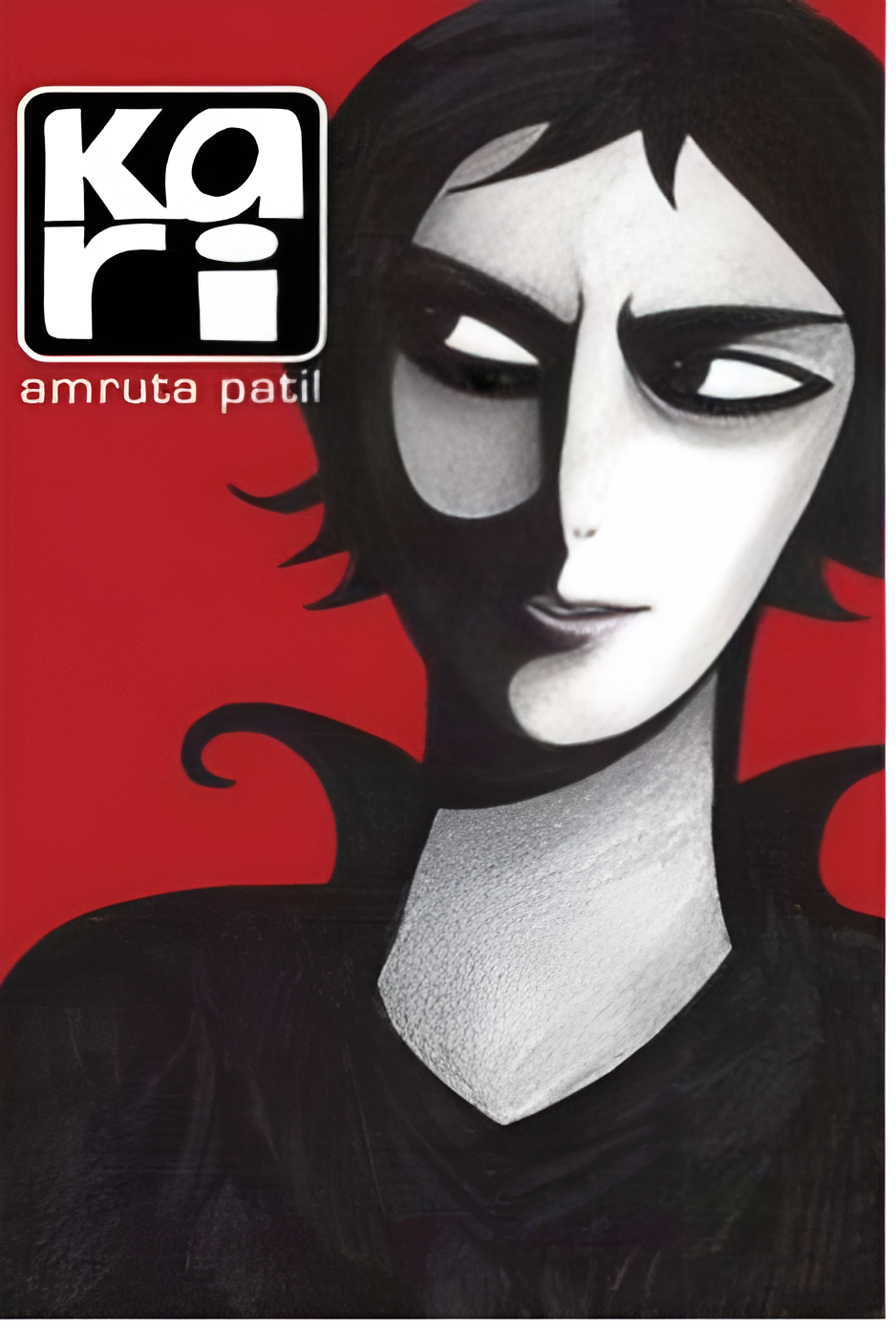
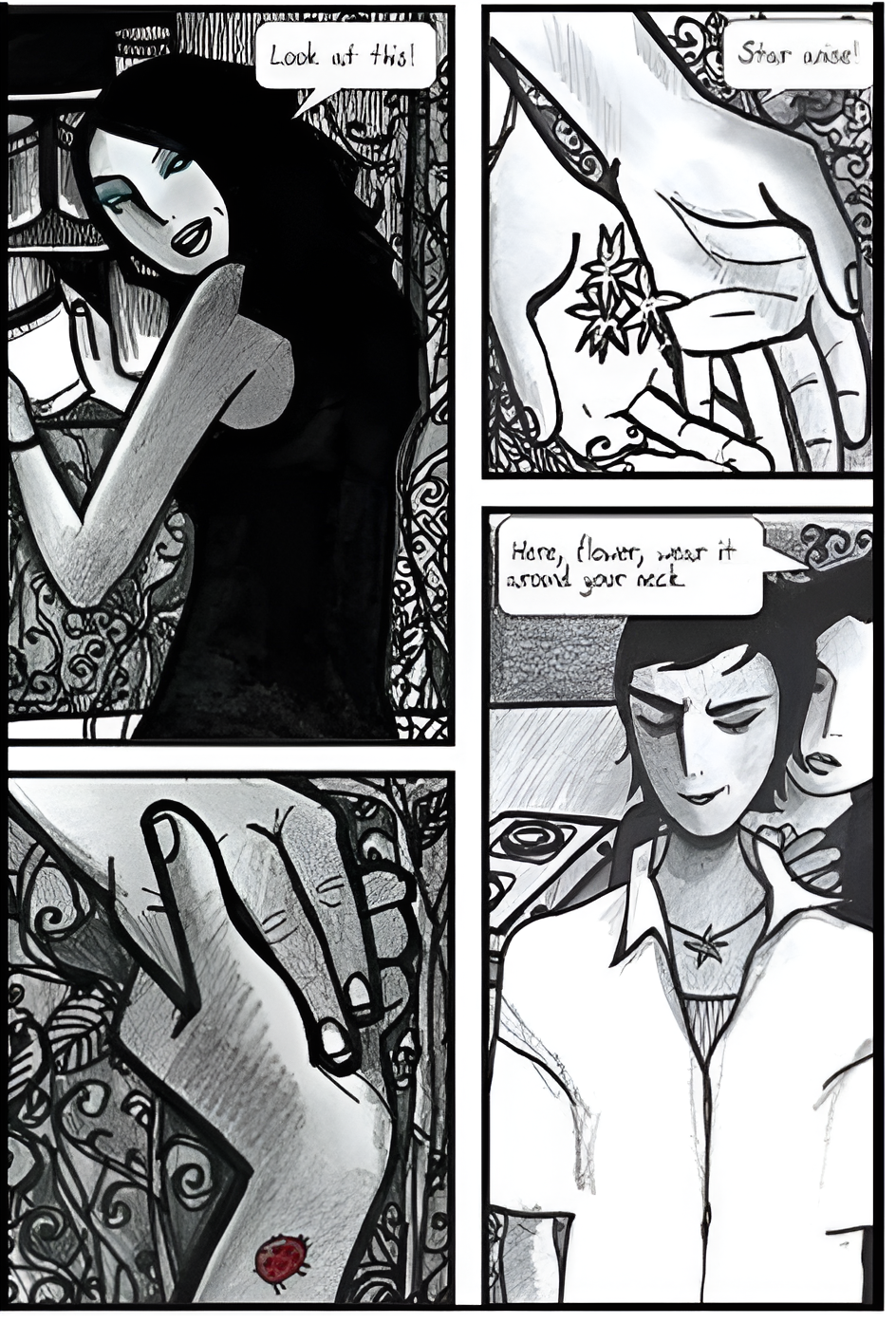
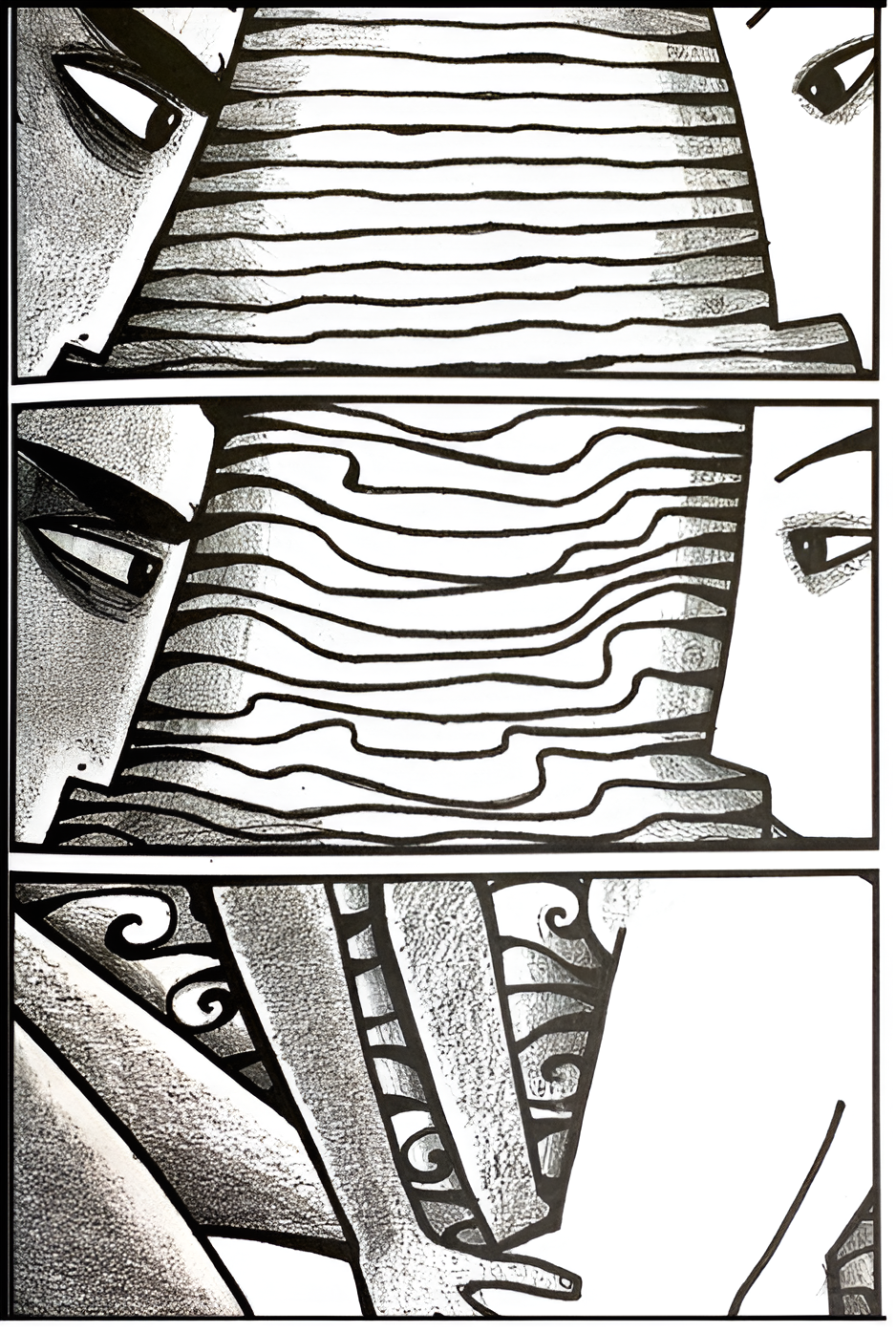
Kari by Amruta Patil (2008), challenging the conventions of desire, identity, and belonging in urban India
Partition, for instance, is often encountered through the familiar markers of 1947: Independence, borders, and migration. But for the generations who inherited its consequences, it did not end with the drawing of a line. Vishwajyoti Ghosh’s This Side, That Side: Restorying Partition brings together graphic narratives from India, Pakistan, and Bangladesh, placing different voices and perspectives alongside one another. The graphic form allows these accounts to sit in conversation without forcing them into a single version of the past. Ghosh recalls discovering that “the same event is viewed so differently across borders”, a plurality central to understanding how Partition continues to be remembered.
The further history moves into memory and experience, the harder it becomes to reduce it to one definitive account. The graphic form is particularly suited to this uncertainty. A remembered house can sit beside a border; a family story can lead into a political event; an image can compress a moment. “A graphic narrative can move and navigate across time and space, much like cinema,” Ghosh says. The reader is brought close enough to observe, infer, and form connections.
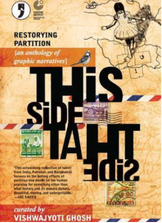
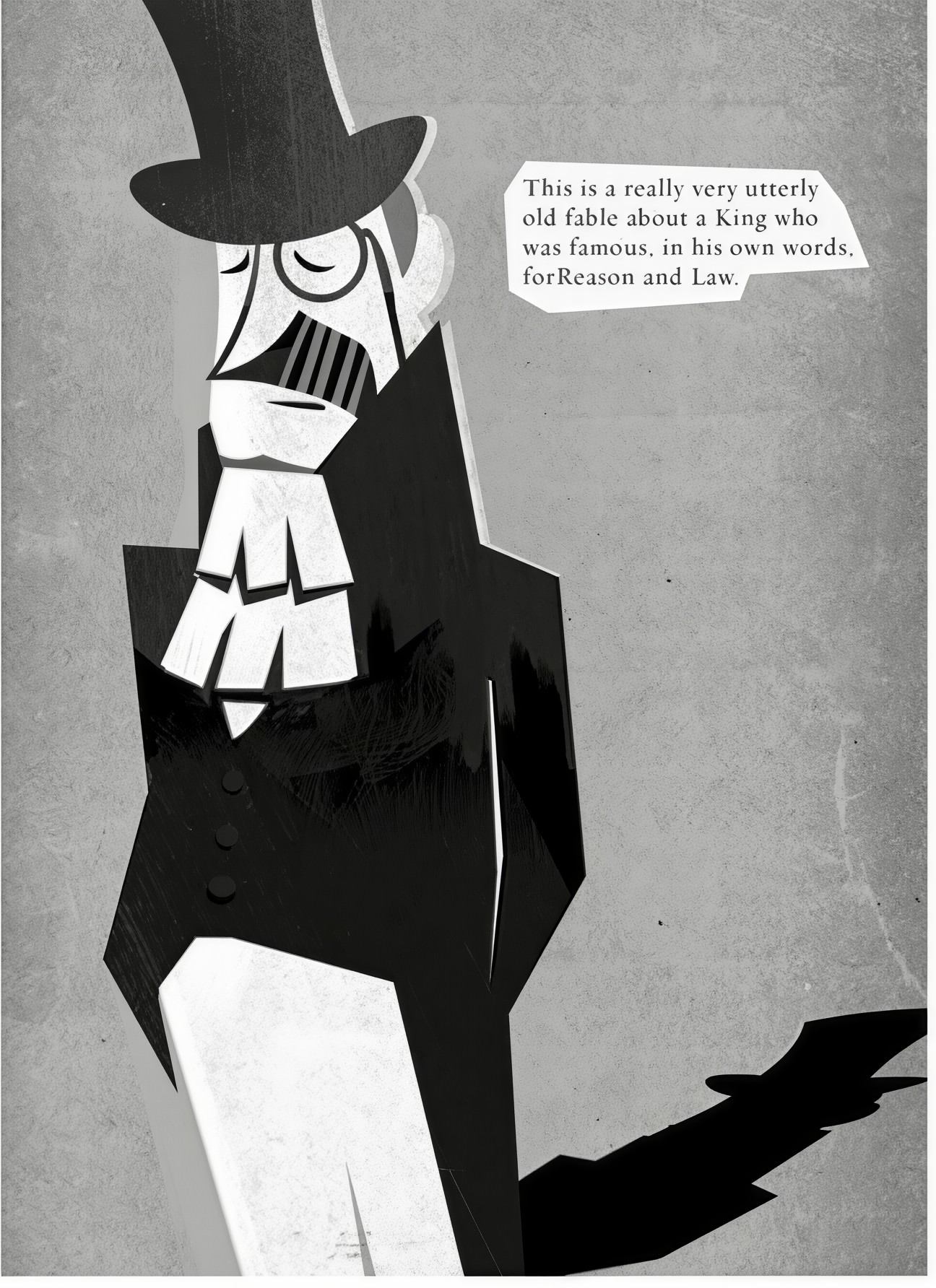
This Side, That Side: Restorying Partition, edited by Vishwajyoti Ghosh (2013), graphic narratives by contributors from India, Pakistan, and Bangladesh
The question of how we come to know a history becomes even more evident in Sumit Kumar’s Amar Bari Tomar Bari Naxalbari. Kumar puts it plainly: “I am looking at this conflict from my own two eyes, and my two eyes are devoid of all history.” It is an admission that makes the process of historical understanding part of the story itself. Kumar recalls encountering political names and events without knowing the deeper histories behind them. Rather than assuming authority, he investigated. He read articles and theses, spoke to journalists who had reported from the ground, and gradually constructed a chronology before shaping the material into a script. The result is not simply an account of Naxalbari but one shaped by the process of trying to understand it.
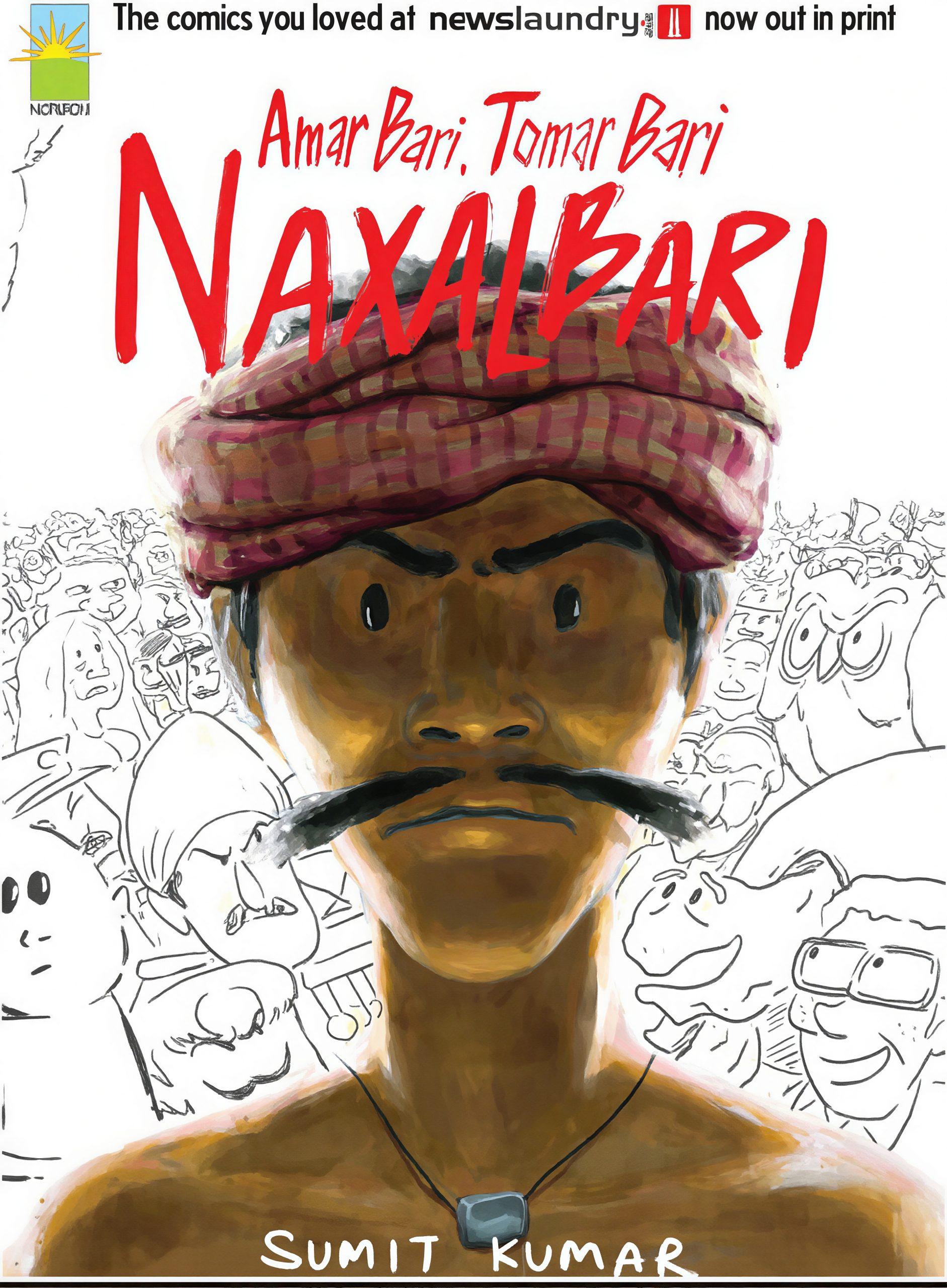
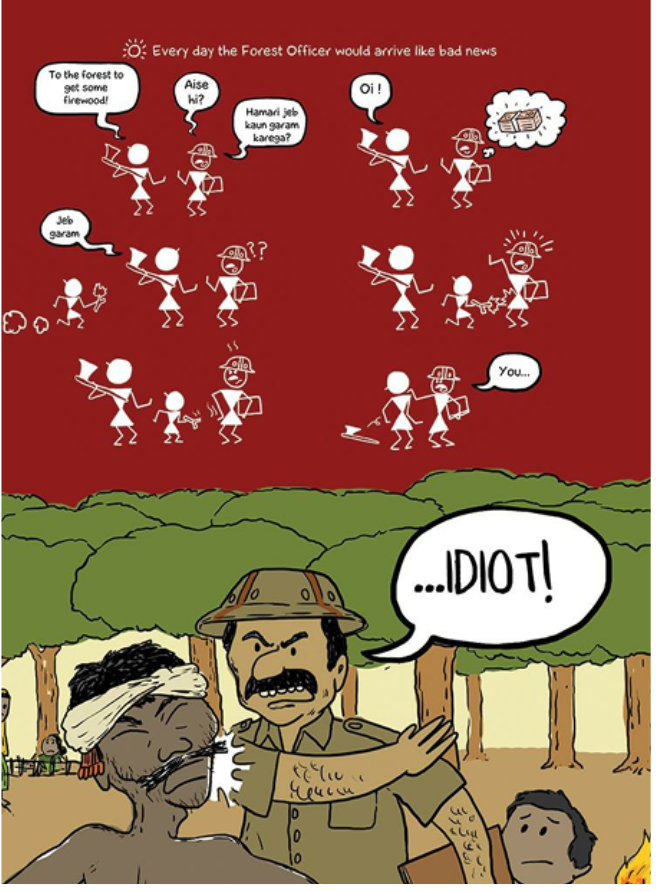
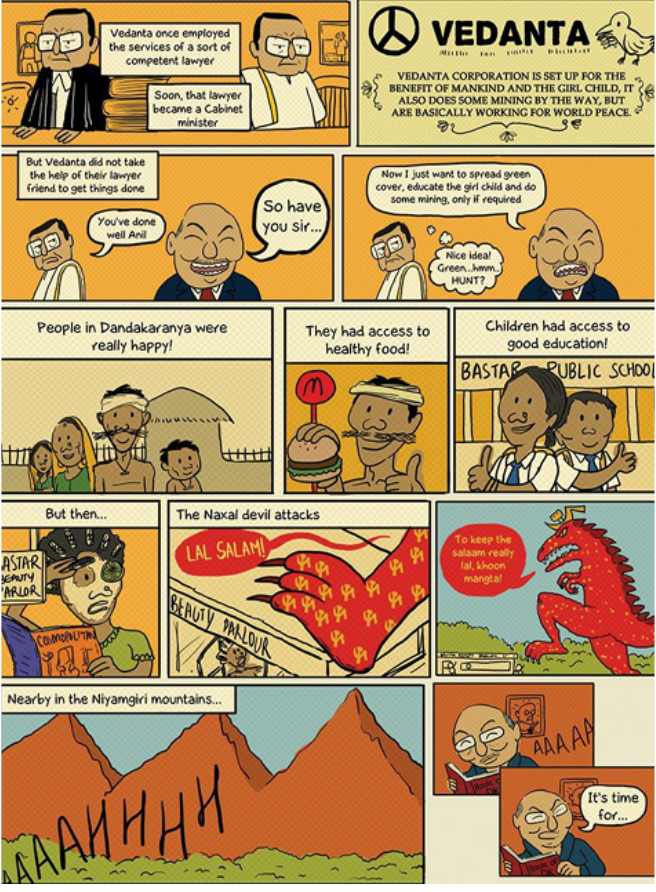
Amar Bari Tomar Bari Naxalbari by Sumit Kumar (2015), the three-part series tracing the origin and aftermath of Naxalbari uprising
That process also reveals how much interpretation is involved in any retelling of the past: Where does a story begin? Whose perspective should lead it? Which details deserve attention? In graphic novels, these choices are shaped by what is shown, what is withheld, and how images are placed in relation to one another. Kumar describes the experience of opening a graphic novel as being “visually transported to another place”. A development project can become a story about a community; a conflict can be understood through the routines it disrupts; a border can survive as family memory; a private life can become a social record; and an attempt to reconstruct a political movement can reveal the uncertainties of historical knowledge itself.
Thousands of years after Altamira, we are still trying to make sense of the world through images. We draw to show what the world looked and felt like from where we stood, and to make sense of our place within it. Graphic novels extend that language, allowing history to unfold not simply as a sequence of events, but as something inhabited and felt.
Words by Aditi Veer
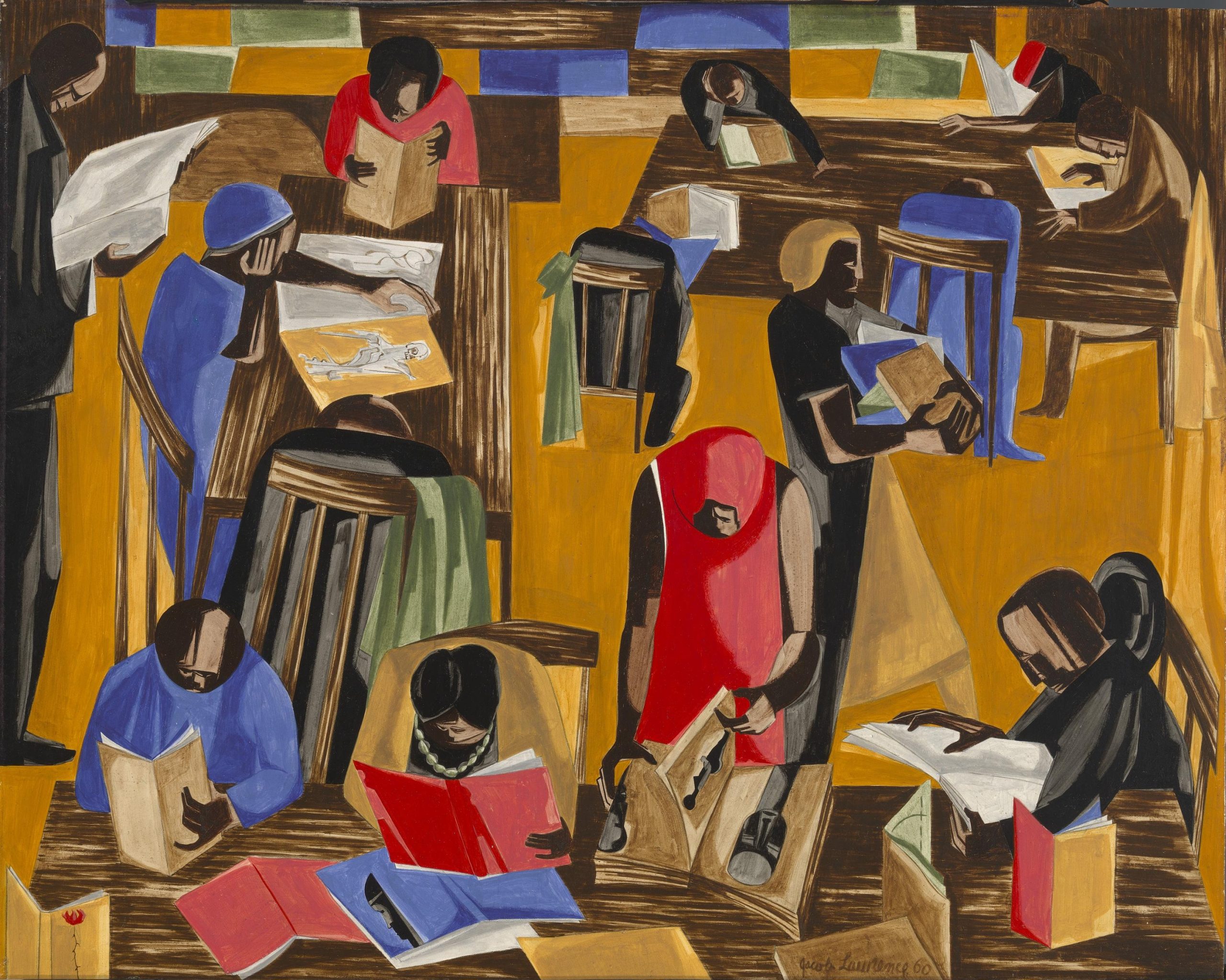
Featured Image: The Library by Jacob Lawrence (1960)