As watches, cars and leather goods acquire lives beyond their original purpose, independent repairers are finding a new role in India’s luxury ecosystem.
Rachna Wadhwa once had a client bring a 100-year-old clock to her. The clock had been in the client’s family for generations, and they weren’t looking to exchange it for a new one or even asking for a straightforward repair. The client wanted the old clock to be expertly restored and running again; they wanted it to be brought back to life.
Wadhwa, who has spent more than 35 years in the watch business and runs Time & Style, a Delhi-based watch retailer and service centre, remembers what happened when she returned it to him. It had taken time to find the right parts and carry out the repair. When she finally returned the clock, the client received it with a wide smile.
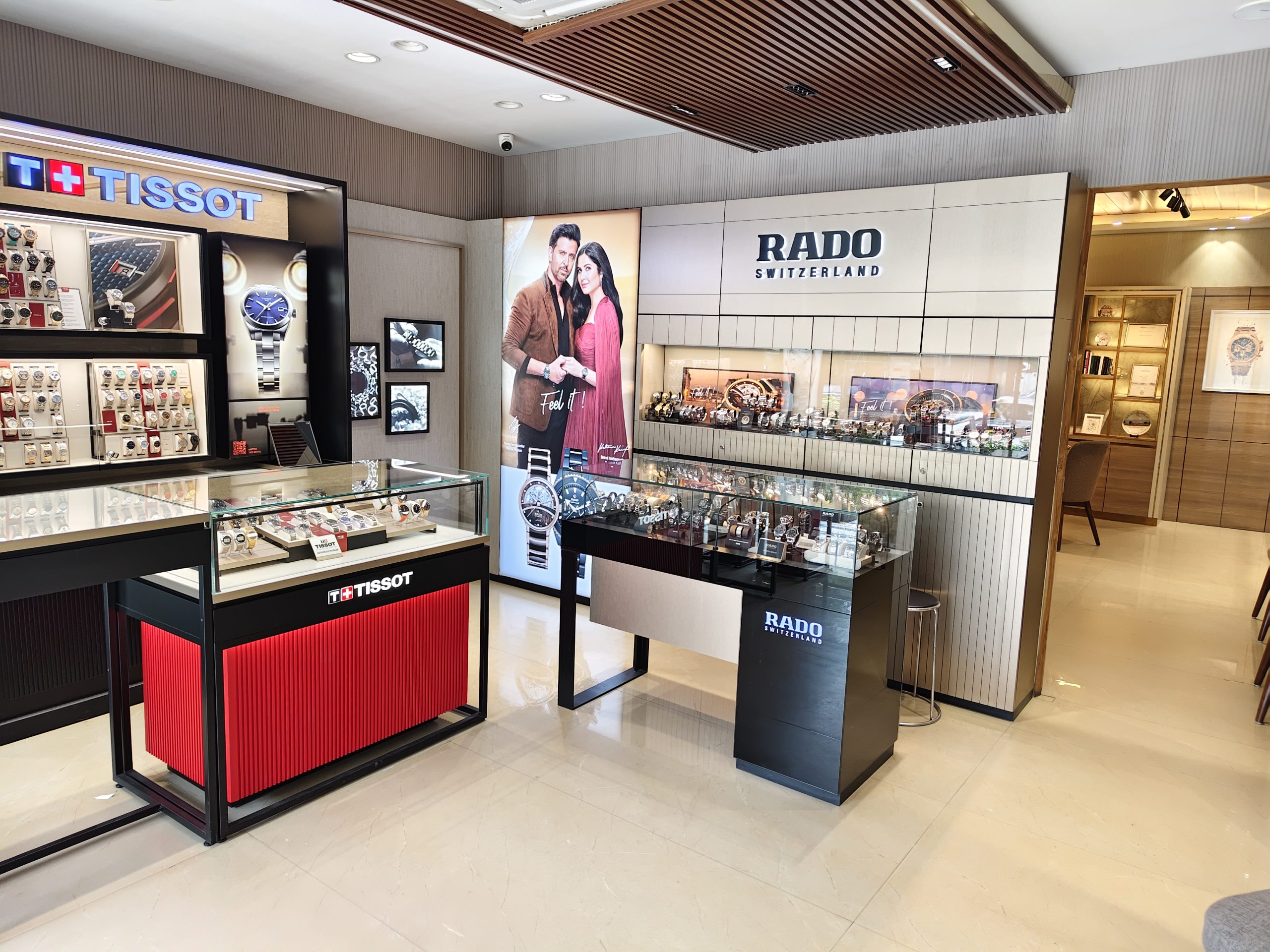
The Time & Style showroom in Delhi, where Wadhwa has built a career spanning more than three decades in the watch business
The reaction was revealing. The clock was no longer simply a machine that told time. It had become part of someone’s history—and restoring it meant allowing that history to continue.
The story points to something changing in the way luxury objects are valued in India. Increasingly, the question isn’t simply what something costs when you buy it, but what makes it worth keeping. A watch can be repaired long after its model has disappeared from the market. A 1957 Ambassador can be pulled apart, rebuilt, and put back on the road. A damaged leather handbag can be recoloured instead of discarded. And sitting somewhere between the object and the brand that originally made it is a growing ecosystem of independent specialists willing to put in the work.
For consumers, the appeal can be straightforward: Better prices, shorter timelines and more flexibility. But the stories behind the objects suggest something more complicated too.
Are independent repairers filling a genuine gap in the luxury ecosystem?
The gap isn’t only about price or convenience, but also about what happens to an object after the sale. For Mallika Sharma, founder of The Leather Laundry, a luxury leather care and restoration business, customers are arriving with very different requests than they once did.

Mallika Sharma, founder of The Leather Laundry, which specialises in the care, repair and restoration of luxury leather goods
“Earlier when people used to send their products, they were mostly for cleaning or repair work,” she says. Now, they want to change colours, customise, remodel, upcycle and repurpose. “They don’t want to discard products now.”
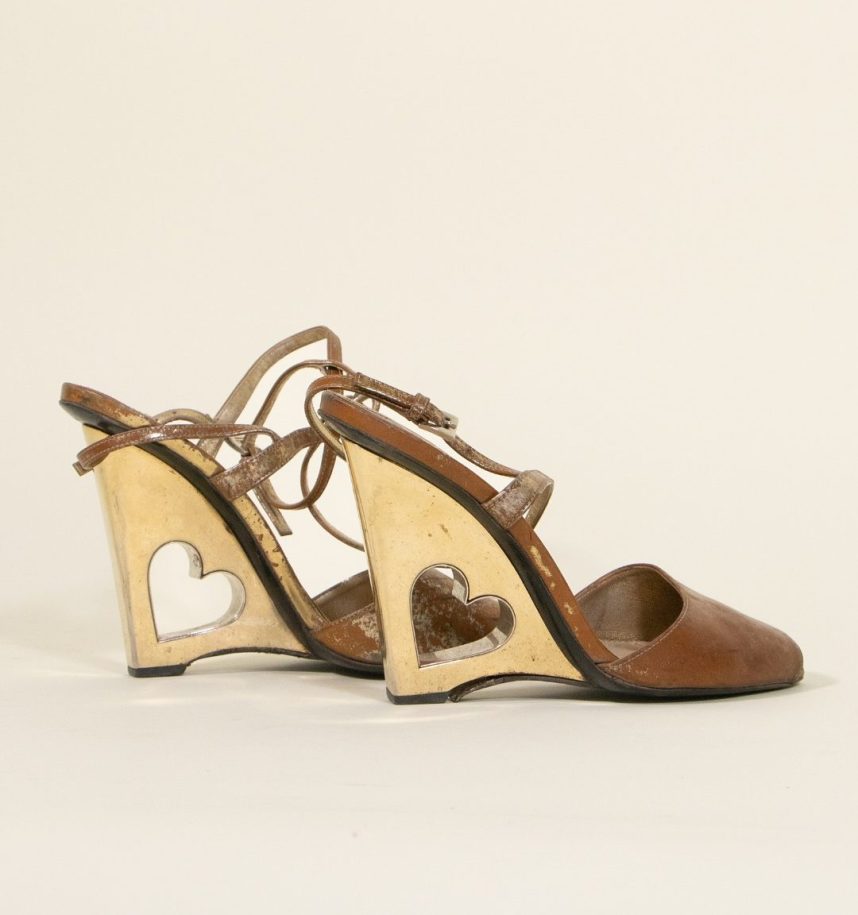
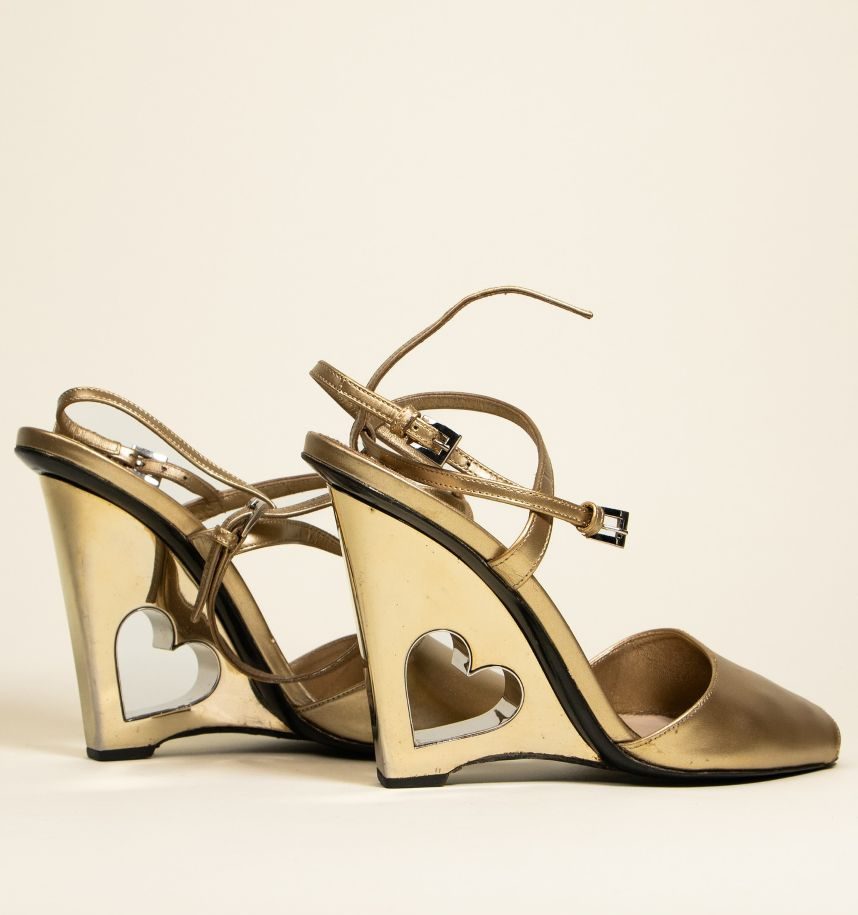
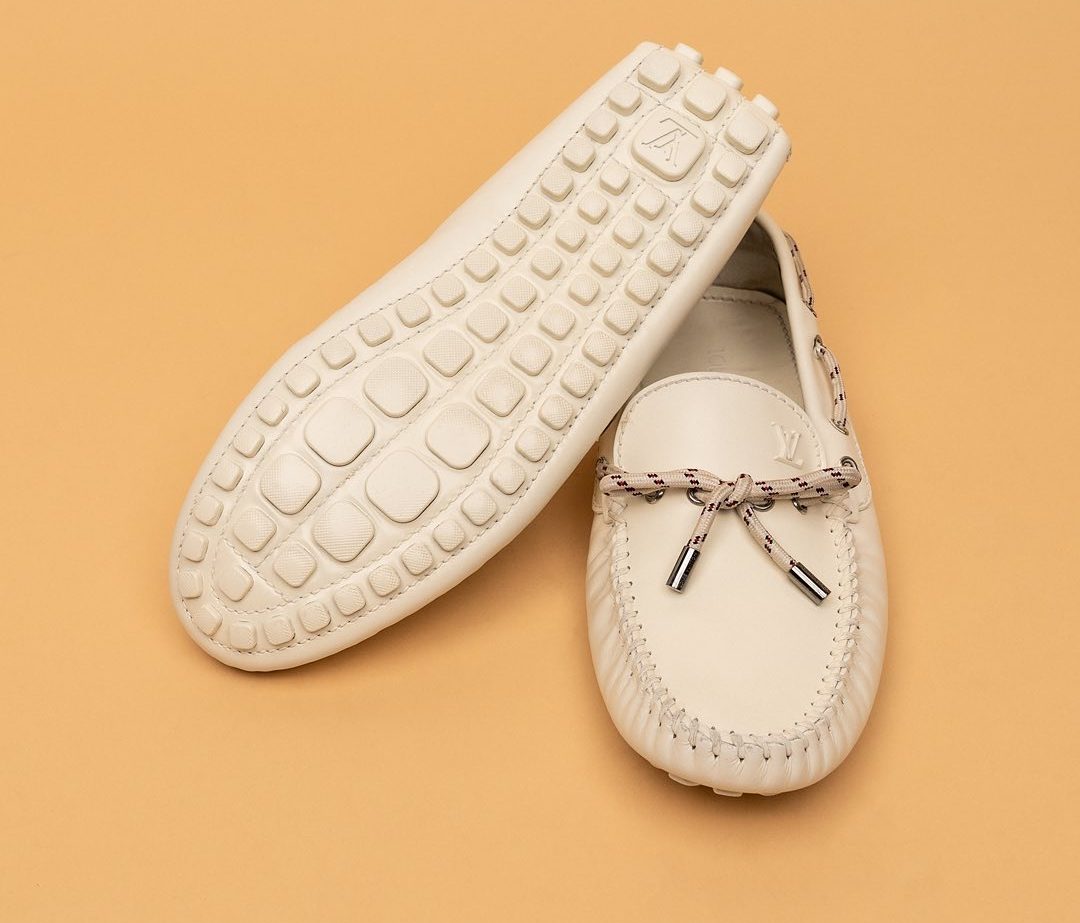
Prada shoes before and after restoration at The Leather Laundry. Customers are increasingly opting to repair, recolour and rework luxury goods rather than replace them
Brands have their own after-sales networks, but Sharma says these can be slow and limited. A luxury bag sent back to a European factory, for instance, can take three to six months to return. Independent specialists can sometimes work faster, and take on interventions brands don’t offer. The appeal is not simply that an independent specialist might be cheaper. It is that they can be more responsive to the object in front of them than the brand itself.
Wadhwa has seen a similar calculation with watches. Customers still generally prefer authorised service centres while their watches are under warranty. Once the warranty runs out, however, Wadhwa says customers increasingly look at three things: The quality of the independent repair specialist’s work, the warranty offered by them, and the pricing. If an independent specialist can offer all three, she says, there is little reason for a customer to automatically return to the brand. But price only explains part of the story.
Wadhwa keeps several watches because of the memories attached to them. One belonged to her mother-in-law and while replacing it would be easy, a new watch wouldn’t contain what she actually wants to preserve. “Those memories attached to her watch, the events she wore them to, and her time with me, will never be found in a new watch,” she says.

Rachna Wadhwa, who has spent more than 35 years in the watch business, with a timepiece from her collection
That distinction — between the object and the life accumulated around it — is central to Abhinandan Chandrasekhar’s work too. Chandrasekhar, founder of Vintage Miles in Coimbatore, began collecting vintage cars after he was given his grandfather’s 1957 Ambassador to drive to college. Thereafter, a visit to a vintage car rally in Ooty introduced him to cars from the 1930s, 1940s and 1950s. Fourteen years later, his collection has grown to 38 cars, housed alongside the restoration facility he runs.
For him, vintage cars are no longer simply transport. “We see it as collectibles, not merely as a mode of transport,” he says. Their value lies in their design, personalised modifications, rarity, history and condition. A properly restored vintage car can also appreciate in value rather than depreciate with age. Restoration itself carries value. Chandrasekhar says collectors recognise the work of individual restorers, and their reputation can become part of the car’s worth after restoration. “If somebody hears that I have restored it, they know my work,” he says. “That credibility will add value to the car.”
The restorer, then, can become part of an object’s provenance. Manoj Mansukhani (he/him), Director of Marketing at AstaGuru Auction House, sees a similar shift among collectors. “The value of a luxury object does not end with its acquisition,” he says. “Ownership is increasingly becoming a form of stewardship.” Collectors are documenting their collections, maintaining archives and recording provenance, creating histories that can outlive them.
“Restoration is not necessarily about returning an object to a state of pristine newness,” Mansukhani says. It should allow an object to continue existing “without erasing the evidence of its life.” Restore too little and an object deteriorates; restore too aggressively and you can erase precisely what made it historically meaningful.
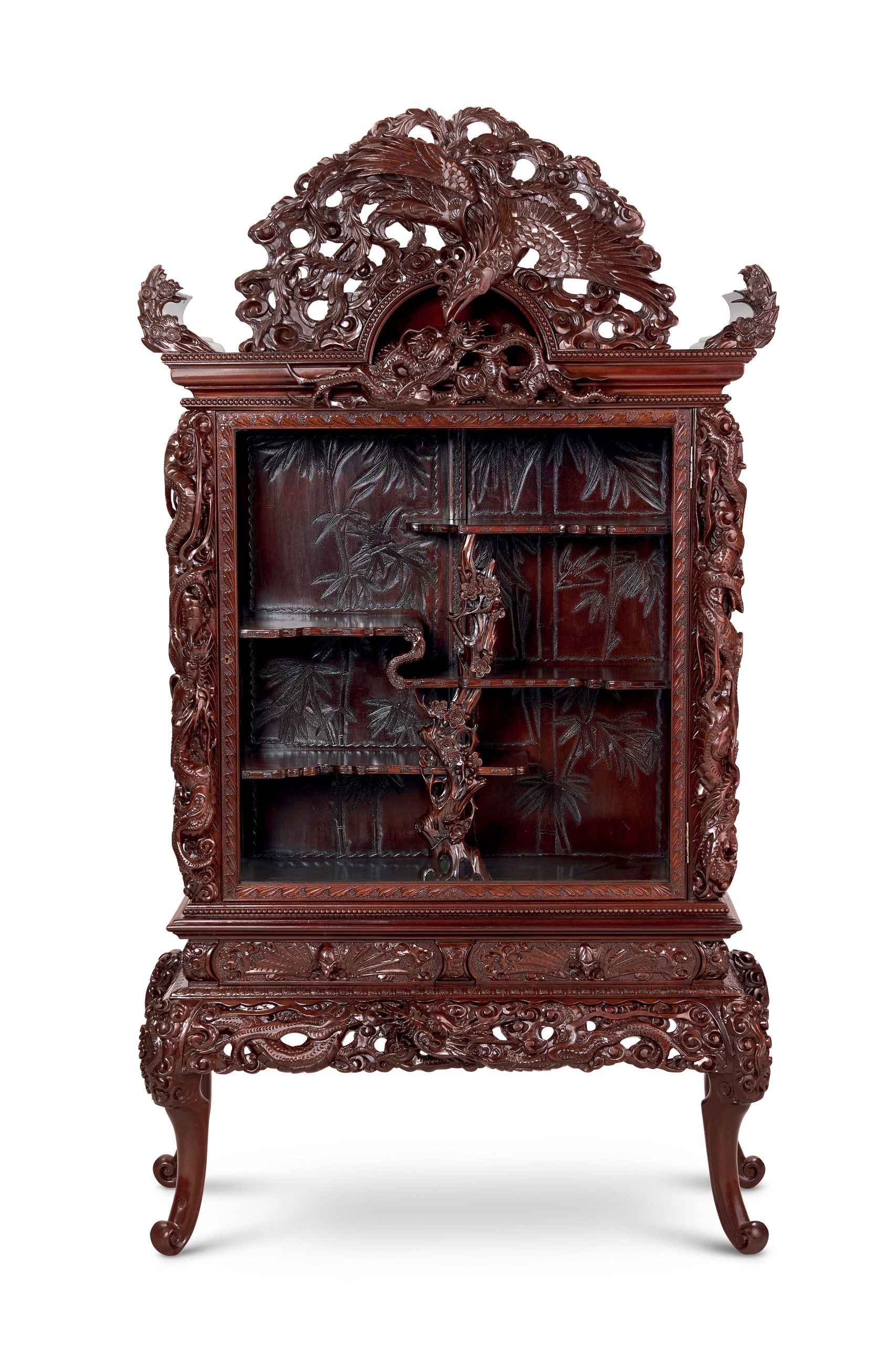
A Meiji-period Japanese Shodana display cabinet, where age, craftsmanship and accumulated history become part of the object’s value
“A beautifully made object that has survived decades can communicate something that a newly manufactured object cannot: Continuity,” he says. Its patina, repairs, and signs of use become “evidence of a life lived rather than imperfections to be concealed.” Perhaps this is why the most interesting objects in the new luxury restoration economy aren’t necessarily the most expensive ones. They are artefacts that someone refuses to throw away: a 100-year-old clock, a grandfather’s car, a watch sitting in a family locker, a handbag that has been carried long enough to become part of someone’s life and legacy.
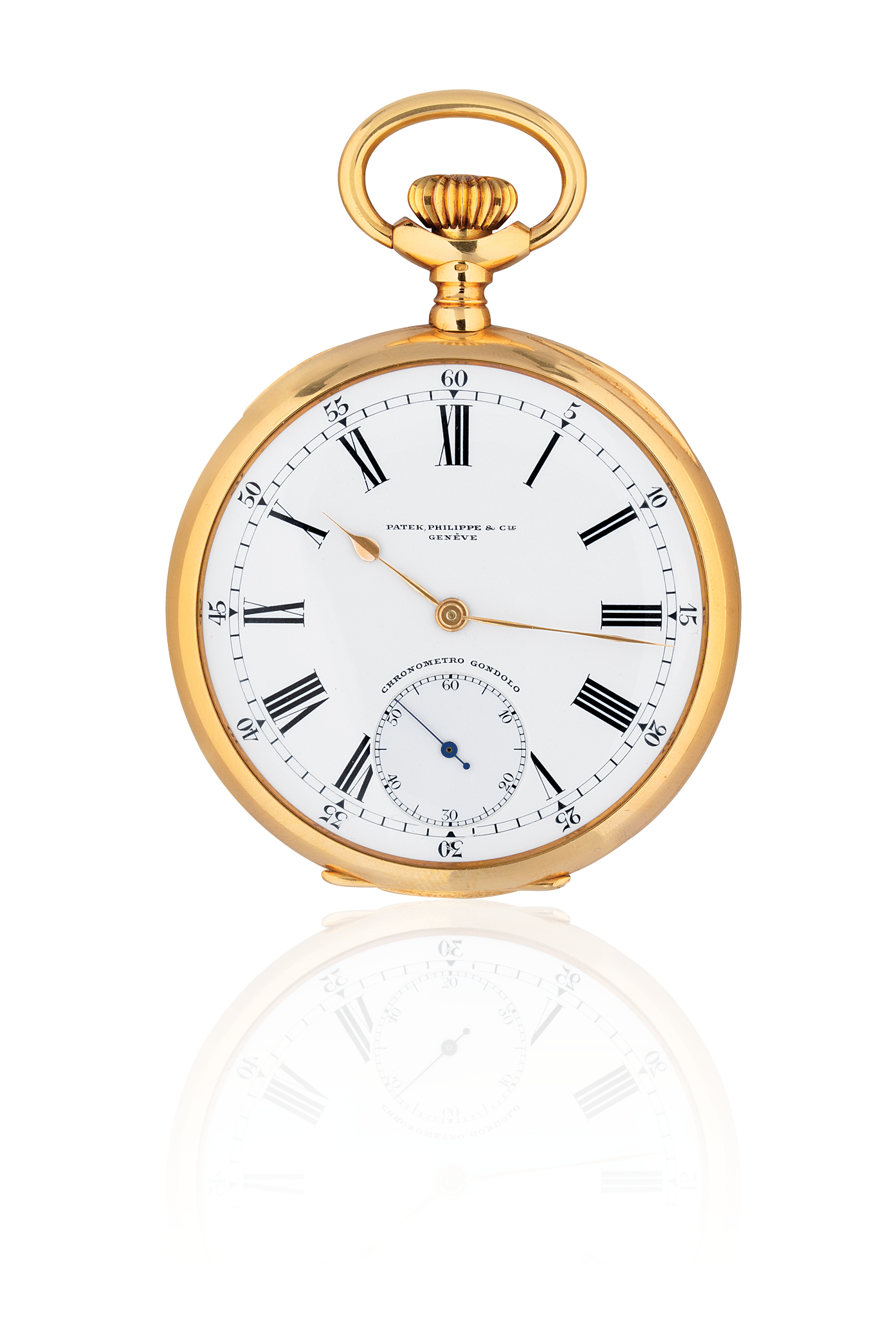
A circa-1910 Patek Philippe Chronometro Gondolo 18k gold pocket watch. Its value lies not only in precious material and craftsmanship, but in the century of history it carries
Independent repairers are filling a practical gap, certainly. But they are also making something else possible: The continuation of an object’s story. Perhaps the more subtle shift in luxury is not that people have stopped wanting beautiful, expensive things. It is that, increasingly, the luxury lies in having something worth keeping alive.
Words by Tejaswi Subramanian
Featured Image: Courtesy of The Leather Laundry