Of all the beauty categories, fragrances are the fastest-growing — with a 7 per cent compound annual growth rate, according to McKinsey. The category has already surpassed makeup to become the third-largest beauty category globally. Not only are they rapidly growing, but they also carry the most valuable range.
The McKinsey report states that there has been a consistent interest towards designer brands fueled by sustained demand for prestige and niche scents. Trends like gourmand scents and scent layering have been consistently popular. Fashion brands are entering the scentscape as well; Fendi with its seven perfume line featuring Sempre Mio, Balmain with Destin de Balmain, and Bottega Veneta’s ten perfume line Alta are some of the most coveted scents launched in the last two years. The only area where the fragrance market is lagging is when it comes to clean, sustainable beauty and transparency.
When it comes to luxury purchases, there is a growing respect for transparency. As per the McKinsey Beauty Consumer Survey 2025, rapid product advancement has made consumers highly discerning amid growing choice, prioritising ingredient transparency. The top claims that drive consumers to consider a product are the use of non-toxic and natural ingredients, and clean formulations.
Fragrance Opaqueness
In the past few years, following suit to the “clean” movement across consumer markets, interest towards clean beauty has grown exponentially. Fragrance brands found an easy avenue in shifting to eco-friendly packaging. Chanel packages its No. 5 perfume in a recycled glass bottle. Jo Malone London has committed to incorporating recycled materials into their packaging. Brands like Diptyque, Mugler, Le Labo, and Louis Vuitton offer refill services, allowing customers to reuse their bottles instead of purchasing new ones.

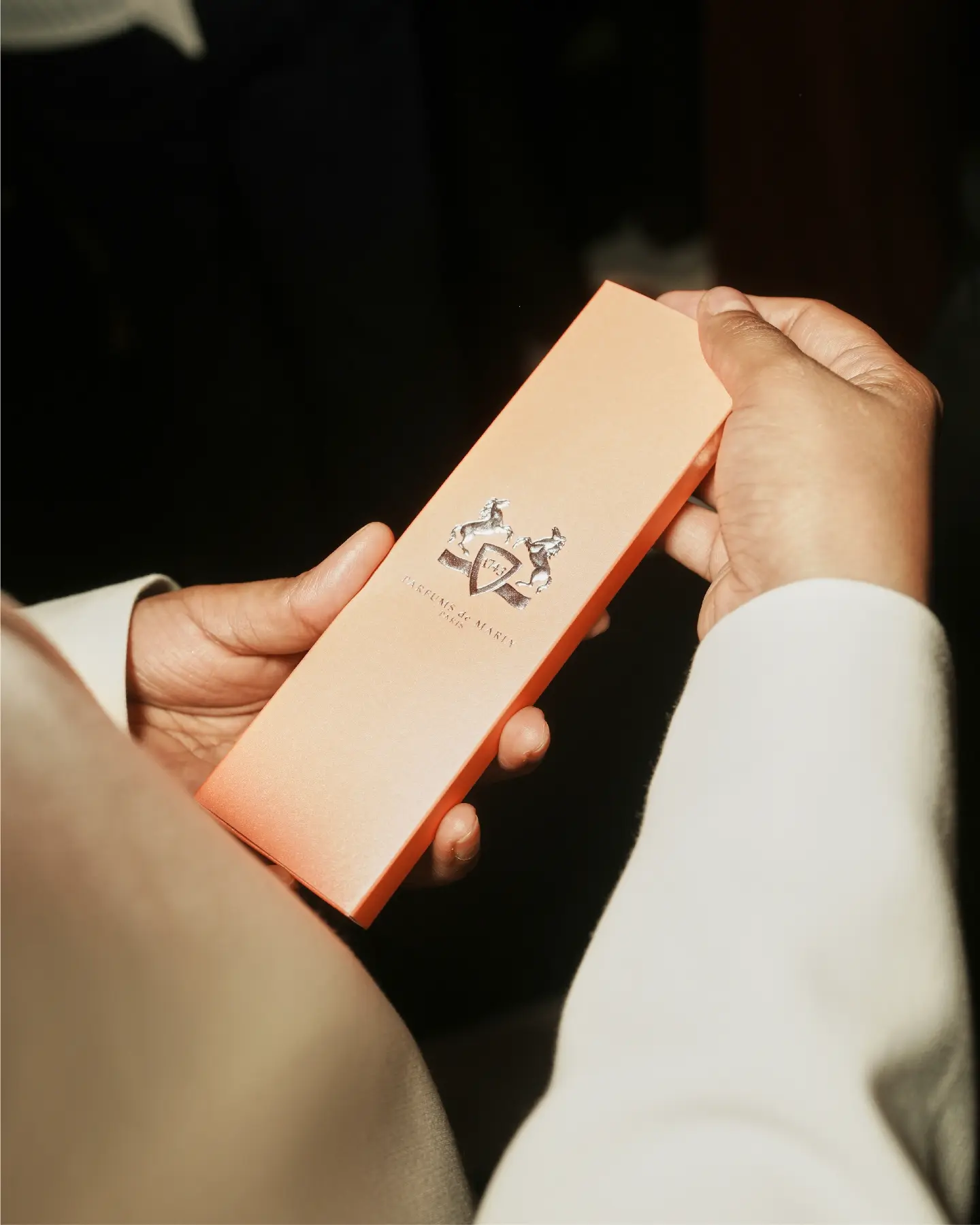
The demand for niche, premium fragrances is met by emerging perfumeries and curated boutiques like Maison Des Parfum; the store recently launched the new fragrance from Parfums de Marly in New Delhi. Image courtesy, Maison Des Parfum
While making this shift has been easier, the real challenge for the fragrance market is to use sustainably sourced ingredients and clean formulations. The McKinsey Beauty Consumer Survey 2025 notes, “When it comes to luxury purchases, there is a growing respect for transparency. Rapid product advancement has made consumers highly discerning amid growing choice, prioritising ingredient transparency. The top claims that drive consumers to consider a product are the use of non-toxic and natural ingredients and clean formulations.”
Usually, the term fragrance is used to include several ingredients that the brand is not obligated to list: An easy way for corporations to conceal any undesirable ingredients, such as phthalates, allergens, and potential endocrine disruptors. Increasingly, the question is not solely what the formulation includes, but each of their origins — how it was cultivated, and by whom.
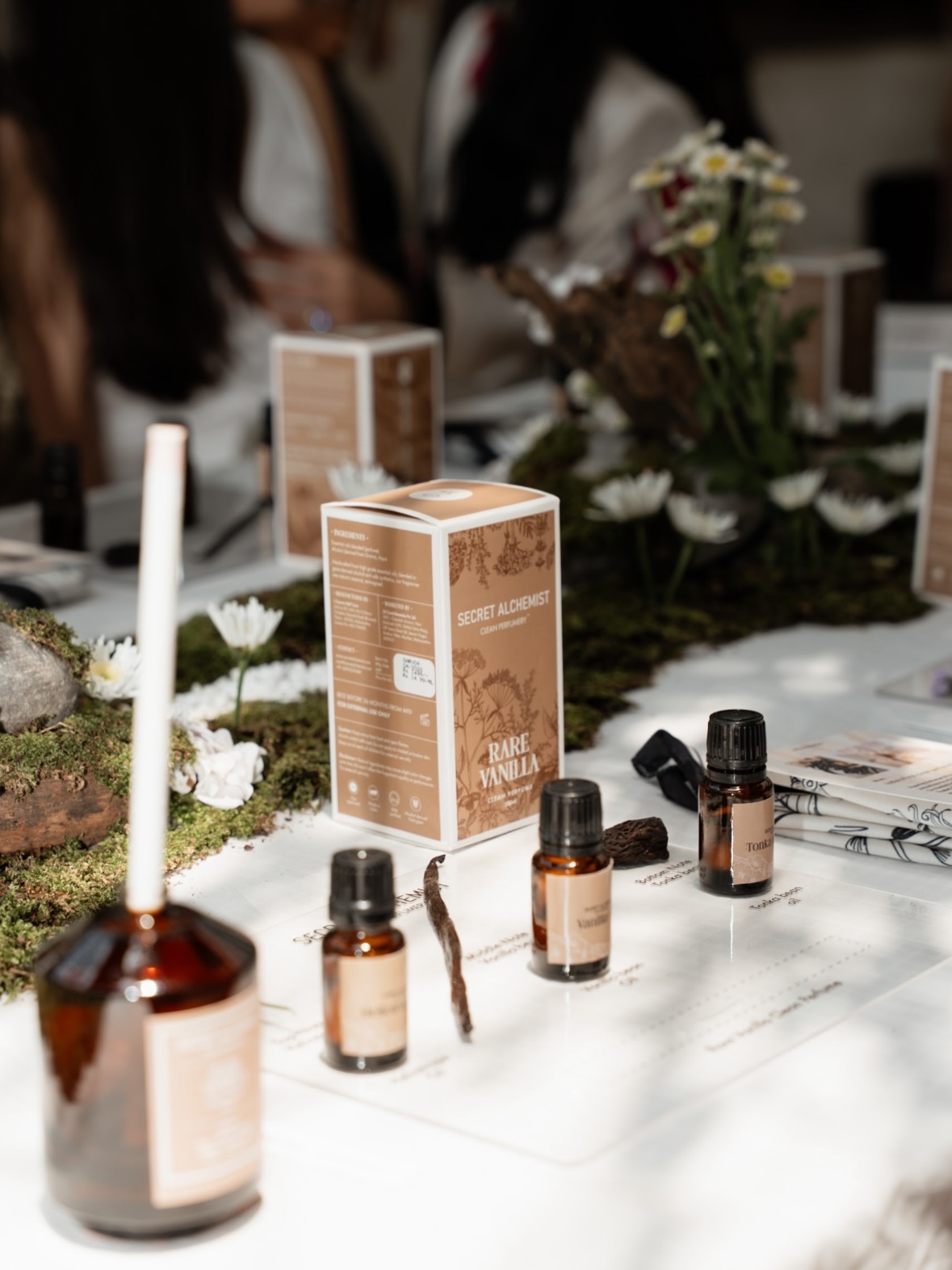
Co-founded by Ankita Thadani and Samantha Ruth Prabhu, Secret Alchemist is India’s first clean perfumery. Image courtesy, Secret Alchemist
The Rise of Clean Fragrances
“While the perfume industry is already a highly regulated sector, the growing demand for clean perfumery reflects a broader consumer preference for transparency, sustainability, and conscious luxury,” says Mayank Bahety, Founder of Maison Des Parfum. For the longest time, it was just a dream until Michelle Pfeiffer changed the game with her perfume brand, Henry Rose.
After becoming a mother, Pfeiffer stopped using products that had any potentially toxic ingredients. She struggled to find a fragrance that didn’t compromise on quality and safety — ultimately giving up wearing perfume briefly. In 2019, this led her to develop Henry Rose, a fine fragrance line based on the strictest health standards with complete ingredient transparency. Henry Rose is the first EWG (Environmental Working Group) certified perfume meeting the standard for clean formulations.
In India, Ankita Thadani and Samantha Ruth Prabhu, co-founders of Secret Alchemist, recognised this gap. Thadani transformed her existing aromatherapy line into India’s first clean perfumery. “We see clean perfumery as a natural progression of the clean eating and clean beauty movements. People are becoming far more mindful of the fragrances and ingredients they put on their bodies every single day,” Thadani says. “Building a clean perfume comes with higher costs, from sourcing better ingredients to maintaining rigorous formulation standards.”
Khet, an Indian perfumery brand, uses more oils than phthalates to make the perfume linger longer. The brand sources most of its natural ingredients from India, honouring its cultural heritage. This has given them a loyal client base that values the efforts behind each scent, according to co-founder Madhav Narang, “Purchasing decisions are no longer driven solely by brand recognition. There is a growing appreciation for craftsmanship, originality, and the story behind a fragrance.”
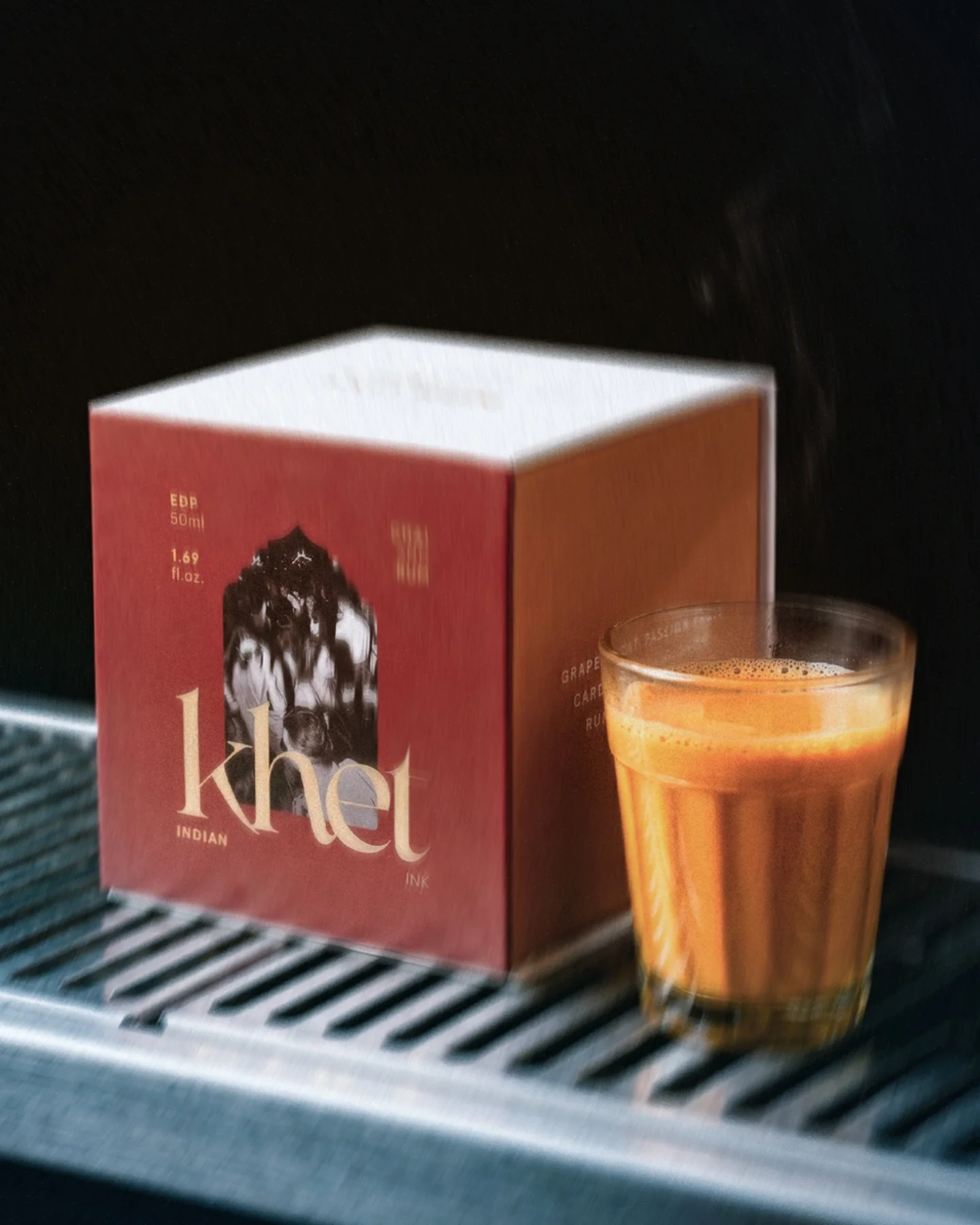
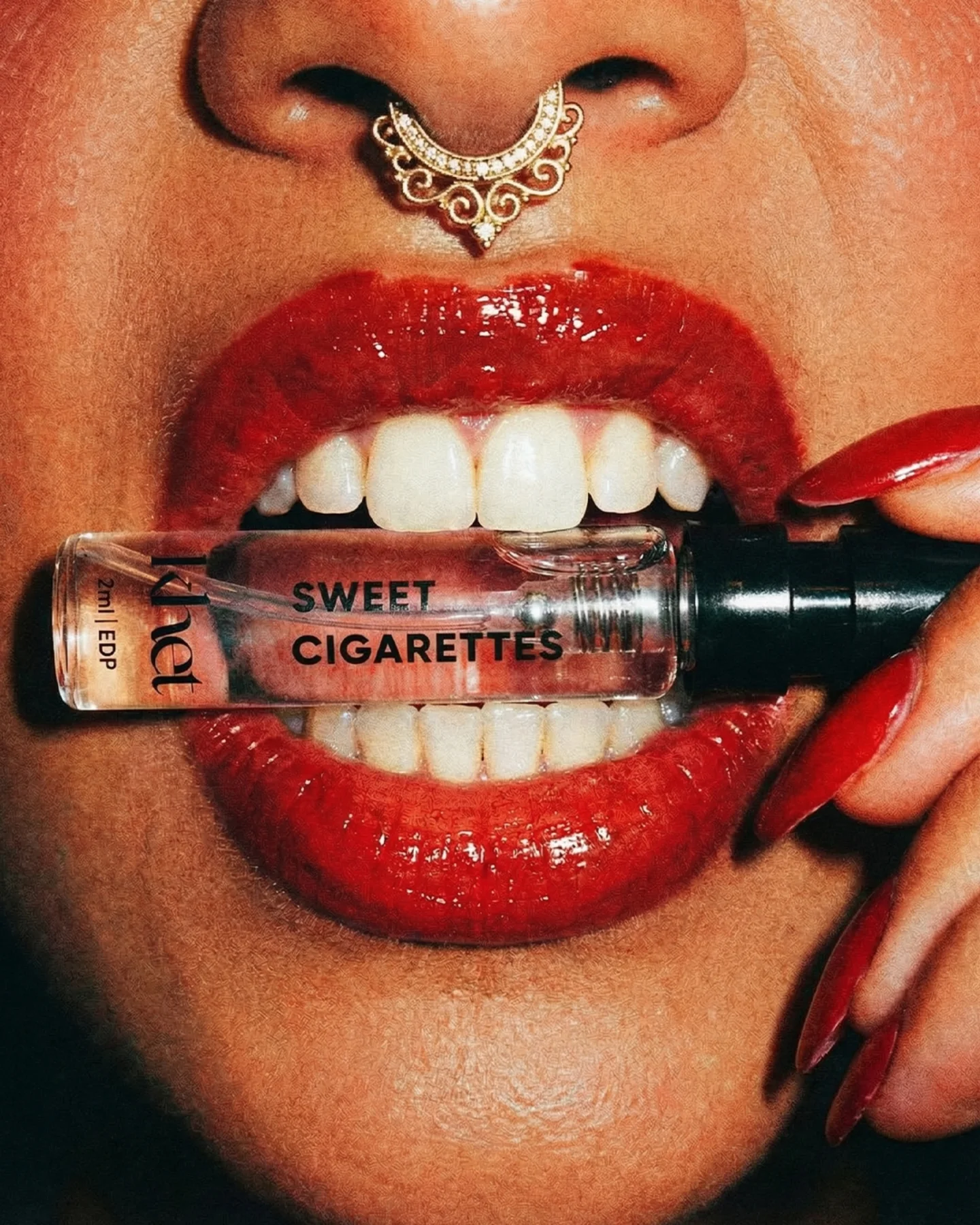
Homegrown brands Khet sources its ingredients from within the country, formulating scents that speak true to its nature. Image courtesy, Khet
Transparency in Luxury
“Consumers are getting more evolved, they are educating themselves. There is a lot of information out there and more willingness to access it. They are reading the labels, reading the ingredient list before making purchases,” says Nirja Bhatt, founder of Laani, a clean bodycare brand formulating deodorant for Indian skin with no-toxin ingredients. Brands that prioritise this transparency are reaping the rewards. “Consumers increasingly appreciate and are willing to invest in products that are both luxurious and transparent,” says Thadani.
With a plethora of high-performing fragrances, consumers are now prioritising artistry over price. Transparency and responsible practices are a leading factor in our scent choices for now but it’s a personal story that helps a fragrance connect with its consumer. While fragrances from Chanel, Dior, Carolina Herrera, and Gucci remain some of the most sought after scent labels, a designer name can no longer sell a scent. Along with transparency there is a craving for niche and innovative fragrances — Prada launched a chai perfume earlier this year that spoke more to Indian consumers than any other gourmand could. Luxury has become more experiential than it was ever before. Fragrances developed with climate, occasion, and personalisation in mind will be the real winners.
Words by Tasneem Patanwala
Featured image courtesy of Secret Alchemist