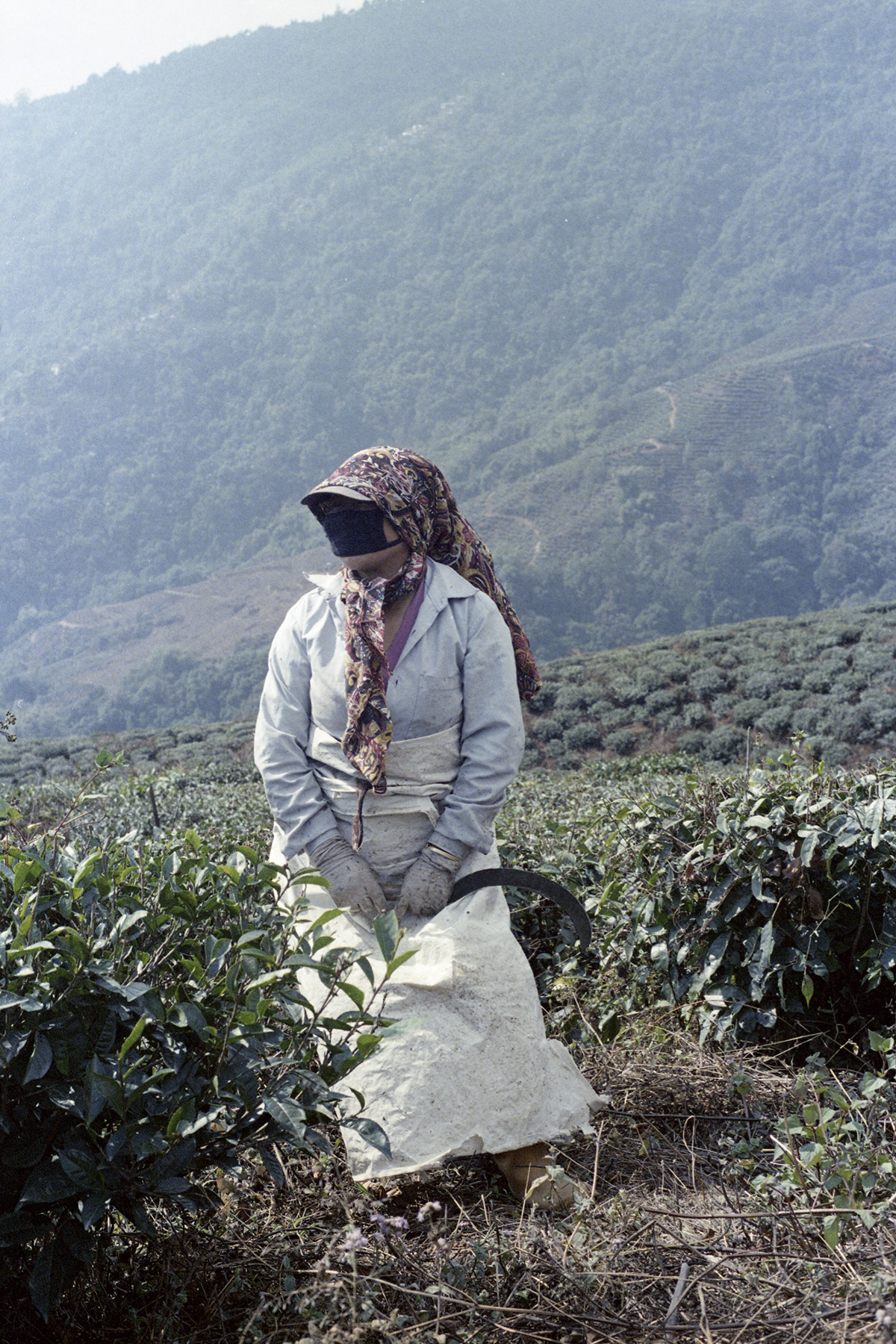
What does it mean to become familiar with a place? Is familiarity measured in time, in return, or in the feeling of recognising something that never quite becomes yours? These questions — and more — sit at the heart of photographer Riti Sengupta’s work in the Darjeeling hills, a landscape she has returned to year after year. Riti shares an ongoing relationship with a place and its people, and the latter, seem to share the same with their land.
Riti’s photographs from the Darjeeling hills extend beyond conventional travel imagery or sweeping mountain landscapes. Shaped by years of returning to the same places, her work reflects a sustained effort to understand a region and tell its stories with care.
The series, titled Chinari, takes its name from the Nepali word for identity. The word carries multiple meanings at once, and the photographs inhabit that ambiguity. They explore how familiarity is formed — between people, places, histories, and the photographer herself.
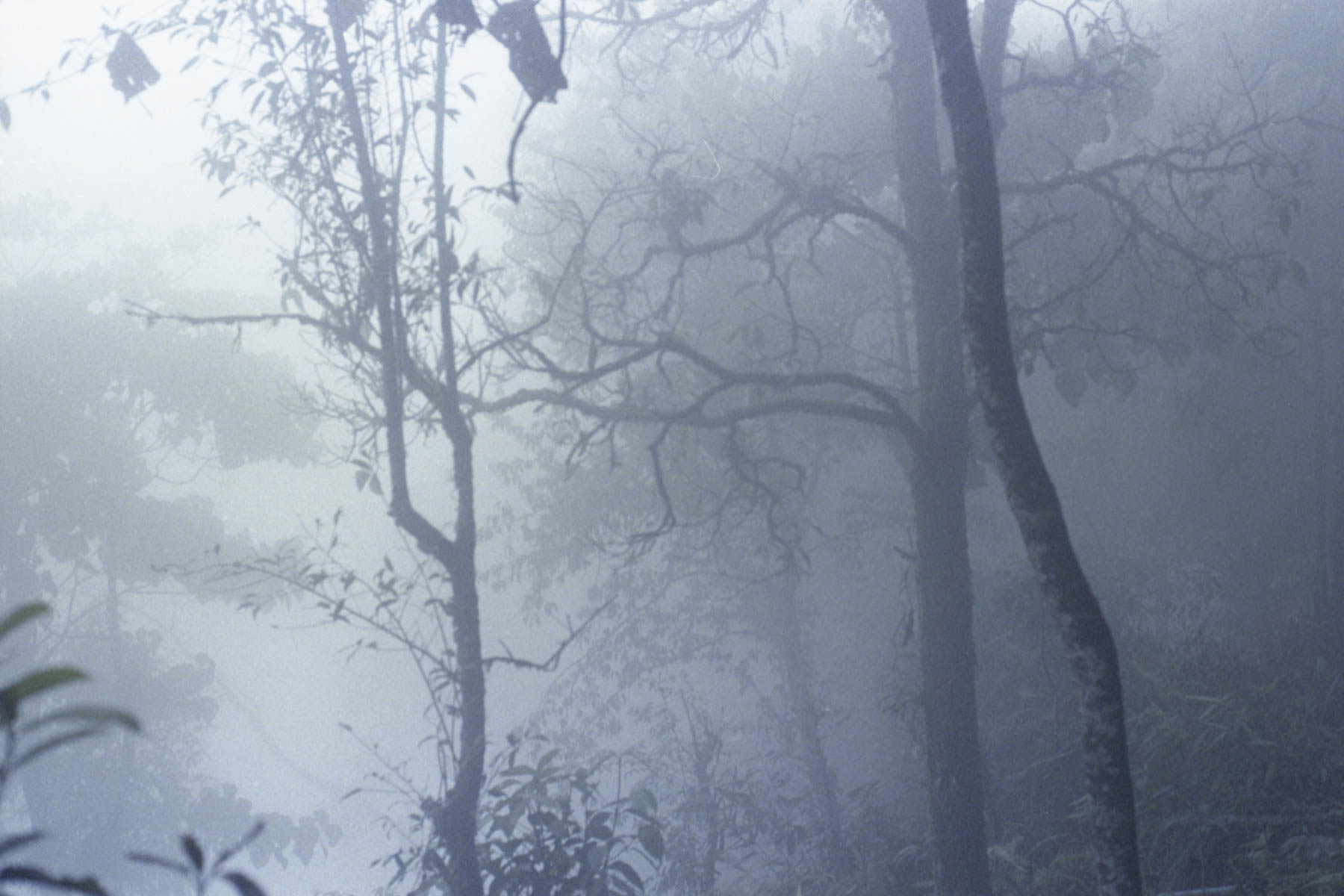
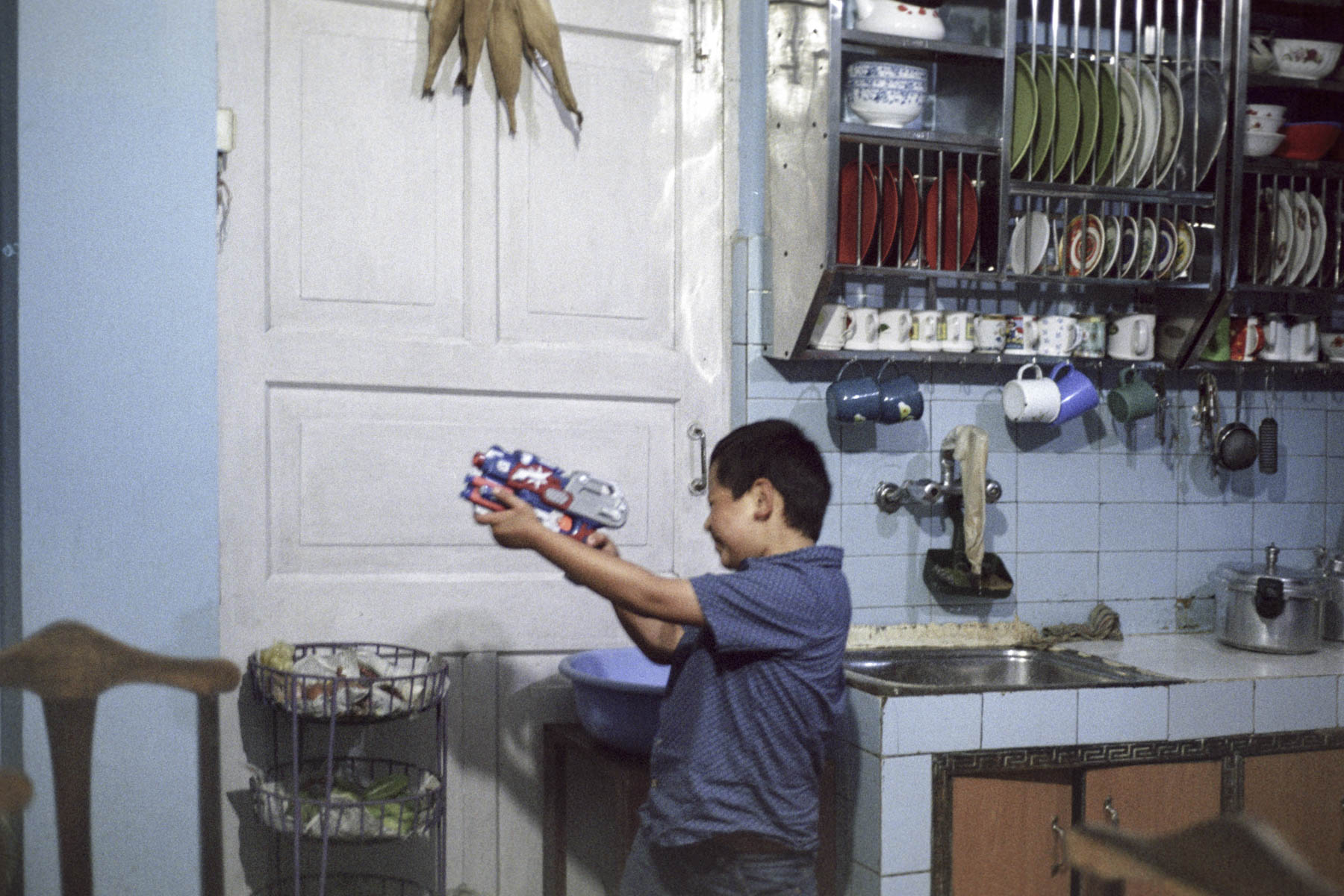
Photographer Riti Sengupta’s series Chinari is marked by her repeated return to the Darjeeling Hills
The work solicits a kind of slowness, revealing a desire to connect with the hills beyond their surface beauty and inviting viewers to do the same. The soft, diffused view of the images speaks in a muted register, like in the photograph of a kitchen table — the person who was just there, just using that knife, has stepped out of the frame but not out of the image. The photographer is beside them still — you can even feel her. All the photographs in Chinari hold this quality of intimacy — a proximity that forces everything in the image and around it into a shared present tense.
But this piece is about a vulnerability that seems to throb within that proximity. It is a vulnerability that can be sensed both in the maker and the work, difficult to separate one from the other. A yearning for familiarity alongside the knowledge that some distances cannot, and perhaps should not, be crossed; to return to a place repeatedly without ever fully arriving; and to photograph chinari while one’s own place in the frame remains unsettled.
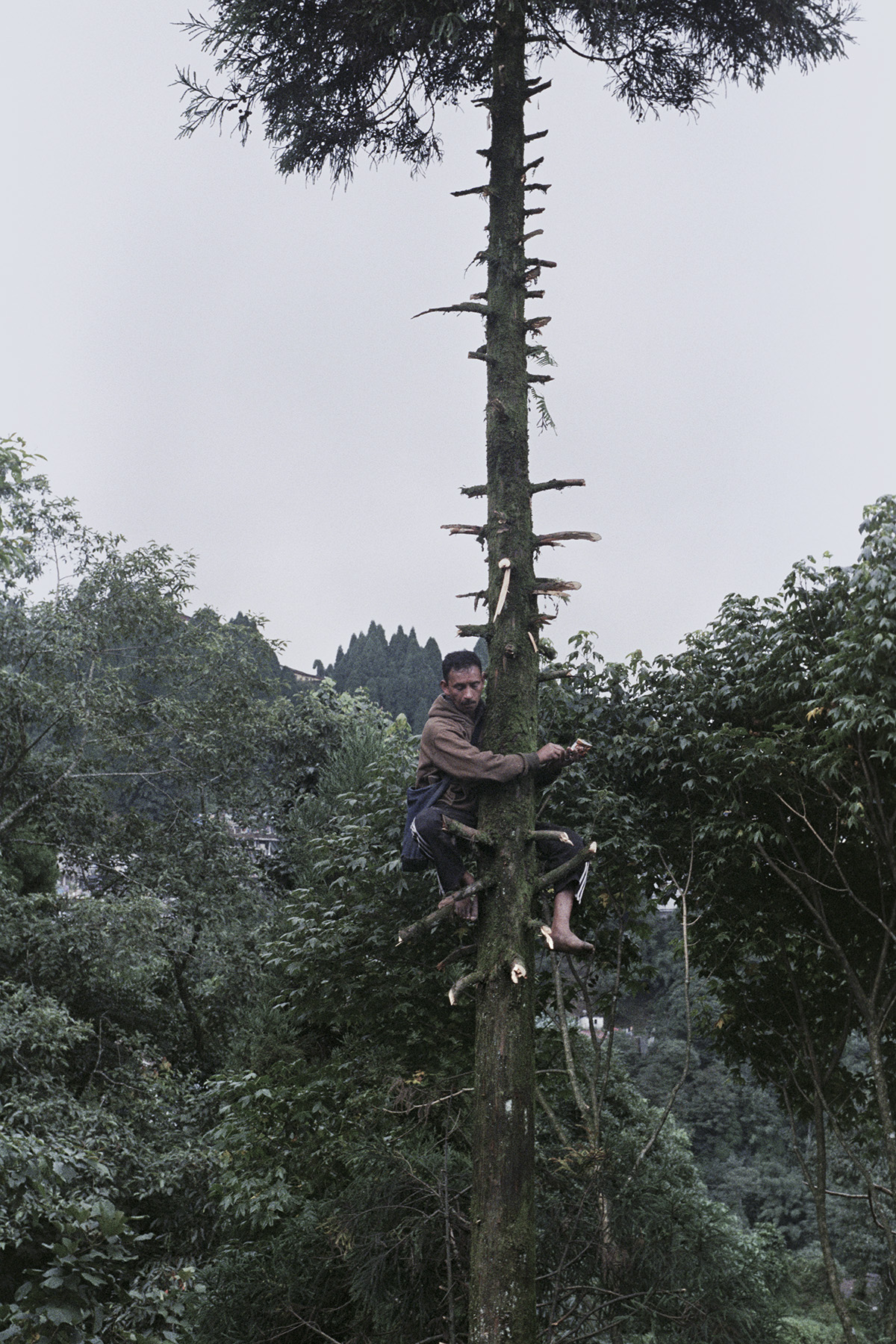

Familiarity commands the photo series as Riti embraces the vulnerability attached to the relationships she has formed in the region
Riti says, “The remnants of this work is friendship. How else do I explain the pull I feel towards the Hills? I travelled to Darjeeling when I was 25, anxious about being alone in an unknown place. Little did I know I would keep returning, every year, even when ‘photographing’ was long over.” She came first to understand the political sensitivities of the place and to photograph them. She then met people who took her in—Brihat Rai, Birat Rai, Shivam Darnal, Ashwin Sharma, many of them from the Confluence Collective (a Darjeeling-Sikkim Himalayas-based non-profit arts organisation) — not only as interlocutors but as friends. The series grew out of these bonds, and the bonds deepened as the series grew.
However, there remains a tension — unresolved but meaningful. The demand for Gorkhaland is a decades-long movement, as yet unfulfilled, that comes from the aspiration to belong, to hold roots in a land that is theirs but never quite recognised as such. The movement is latent for now, but its spirit is always agonising not far beneath the surface.
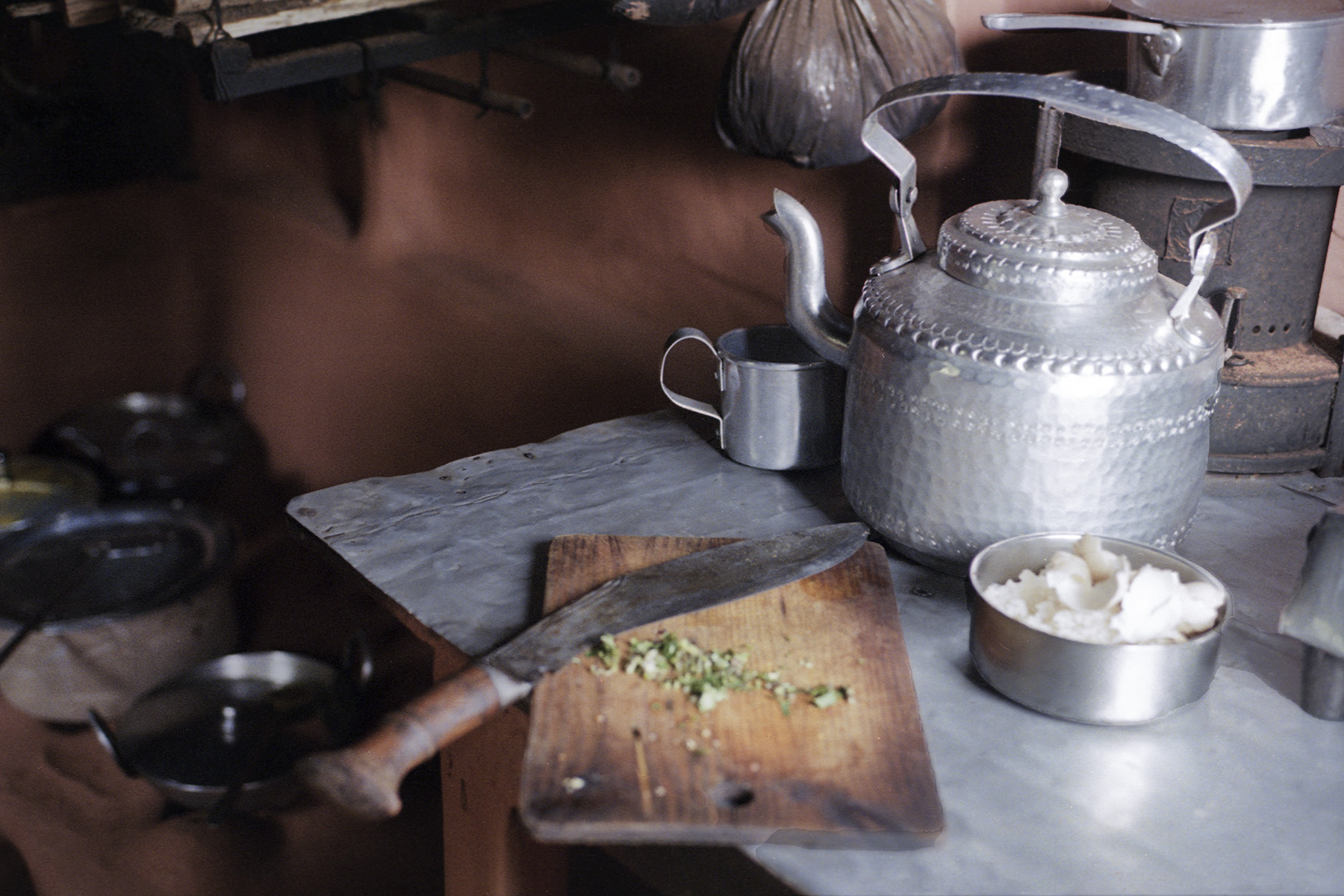
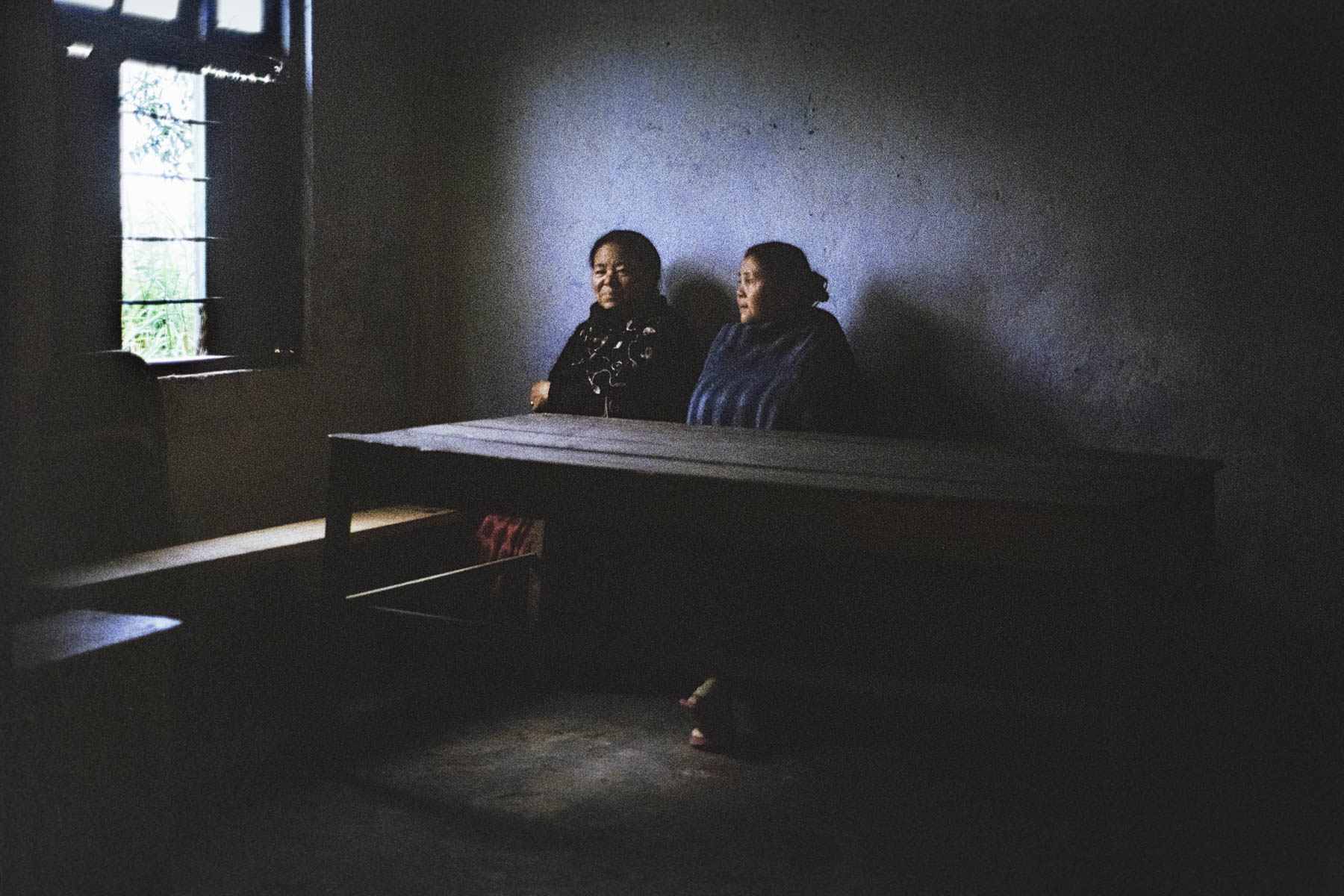
With Chinari, Riti has managed to document everyday life and its many contemplations, political and social
Like the scar that appears in one of Riti’s photographs, it persists as a mark carried into everyday life, a chinari. To photograph identity in such a place, with such a view of closeness, is not a neutral act. The intimacy in these images is also a negotiation with that history.
Perhaps this is what makes Chinari compelling. It does not claim complete understanding, nor does it resolve the questions it raises. Instead, it dwells within them. Familiarity saturates the work: In the end, Chinari becomes a meditation on familiarity itself — how close we can come to a place, a people, or an identity, and what remains unknowable even after years of return. It is what keeps the images alive and asking.
Words by Mridu Rai and Praveen Chettri
Featured image courtesy of the photographer