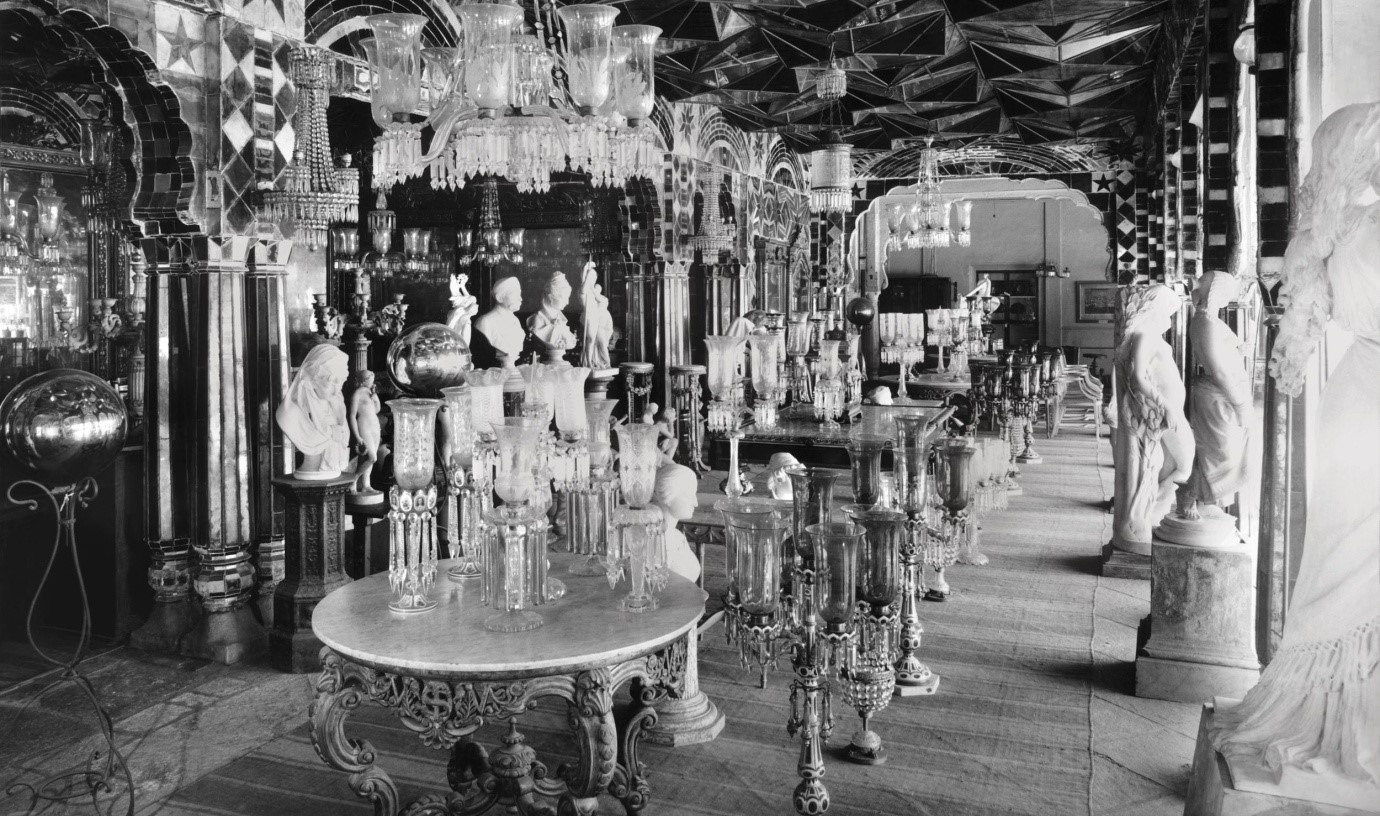
As purveyors of knowledge, culture, and power, it comes easy to forget that museums are dynamic institutions. They weren’t built in a day, and continue to grow with time. They’re living institutions that speak of present histories, and mark the distinctiveness of the human experience: The need to be remembered, and to remember. And to truly understand a museum, one must turn to its foundation collection. In the years gone by, citizens, researchers, and patrons have shared a sum of their lifespan with these establishments to aid in their advancement. And it remains important we realise these beginnings and these objects; to know our museums, is to know our likeness as a society.
Indian Museum, Kolkata
The oldest museum in India realises the country’s cultural heritage like no other place. How could it not? With over 200 years of history, it stands as the first museum of the country, the ninth oldest museum in the world, and the largest, by collection, in the Asia-Pacific region. First known as the Asiatic Society Museum, followed by the Imperial Museum of Calcutta, this institution came to being through the efforts of the Asiatic Society of Bengal. The society first rallied for a museum in 1796, which eventually coming to fruition in 1814 through the efforts of Nathaniel Wallich, a Danish botanist — also responsible for the creation of the Indian Botanic Garden (now, Acharya Jagadish Chandra Bose Indian Botanic Garden).
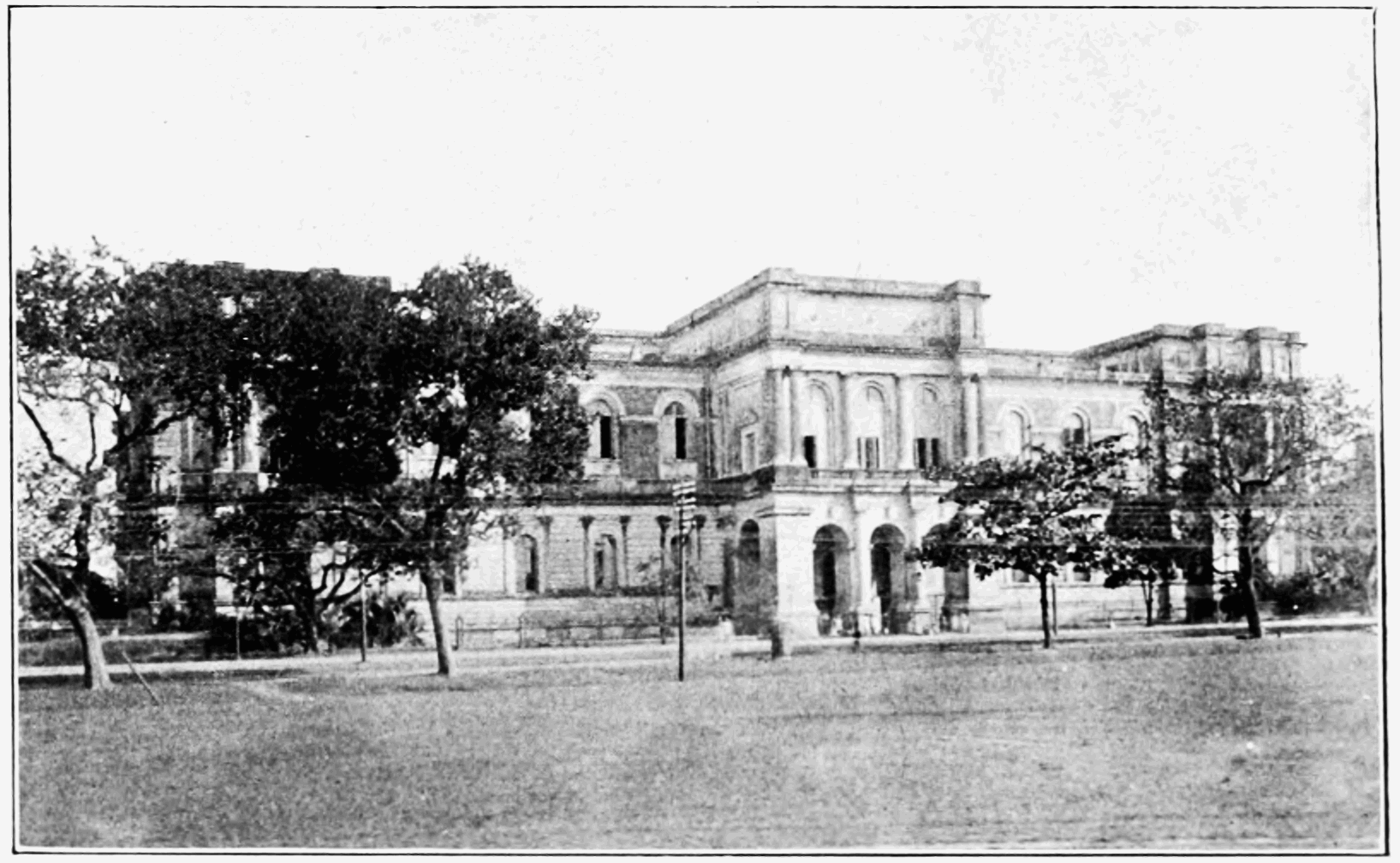
A photograph of the Indian Museum, Kolkata published in Popular Science Monthly (Volume 71) in 1907
The museum’s foundation came with Wallich’s own collection of botanical specimens, and that of the Asiatic Society of Bengal’s rare books, manuscripts, and artefacts. The museum boasted six sections: Art, archaeology, and anthropology, even housing the collections of Zoological, Botanical, and Geological Surveys of India. In 1816, 174 items came from 27 European donors, including some from General Mackenjzie, the first Surveyor General of India. Moreover, there were 49 Indian contributors, including Begam Sambroo — the only queen in the country to practice Christianity.
At present, there are more than 1,00,000 items under the museum’s purview, including treasures of Shah Jahan, a 4000-year old mummy from Egypt, and a plethora of original records. Other museums in this story come to stand testament to citizens’ patronage, yet the Indian Museum comes to tell, impressively, a story of governance and discovery. Its genesis intersects with the many firsts in modern Indian history, no wonder history remarks it as a symbol for the beginning of modern India.
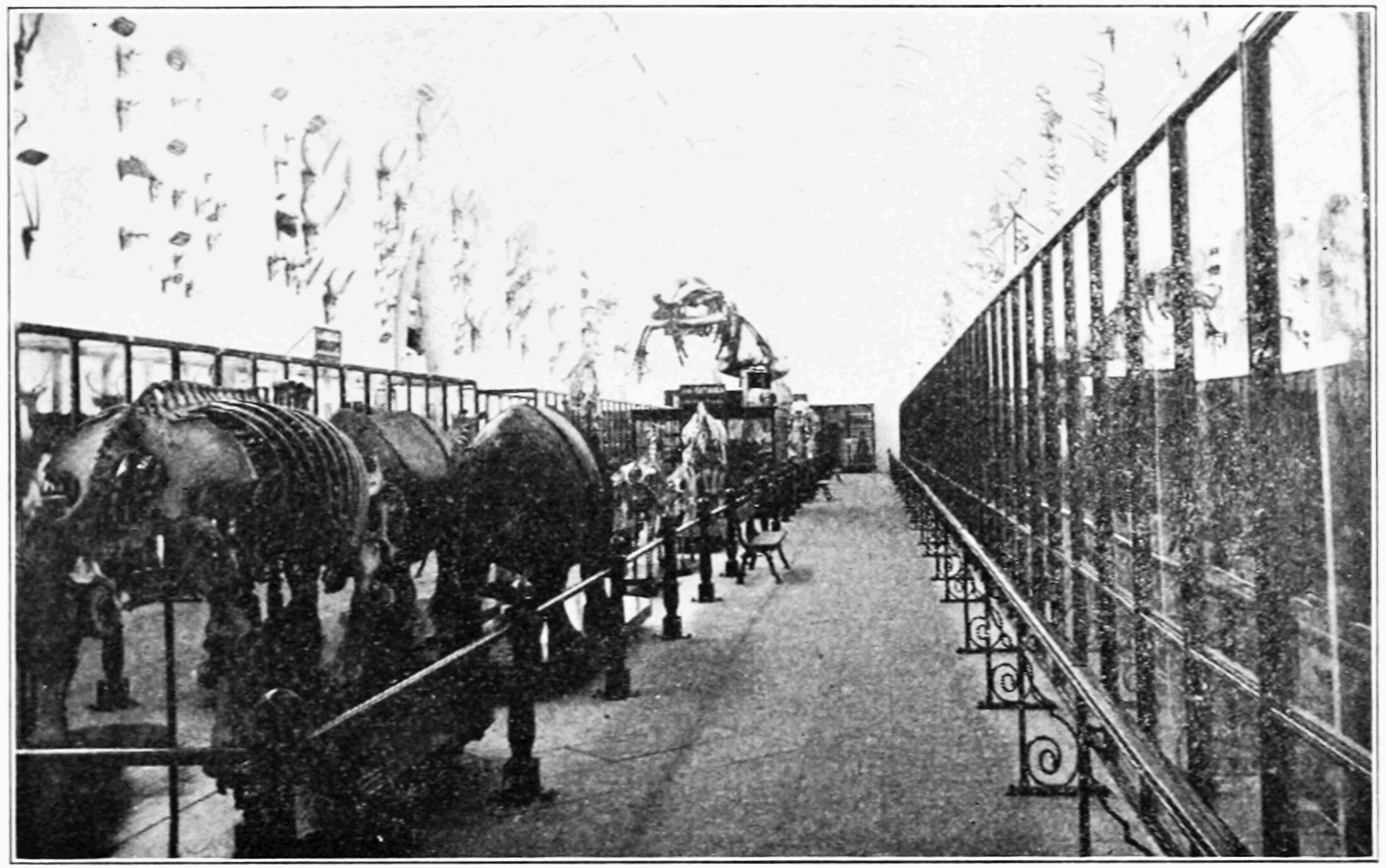
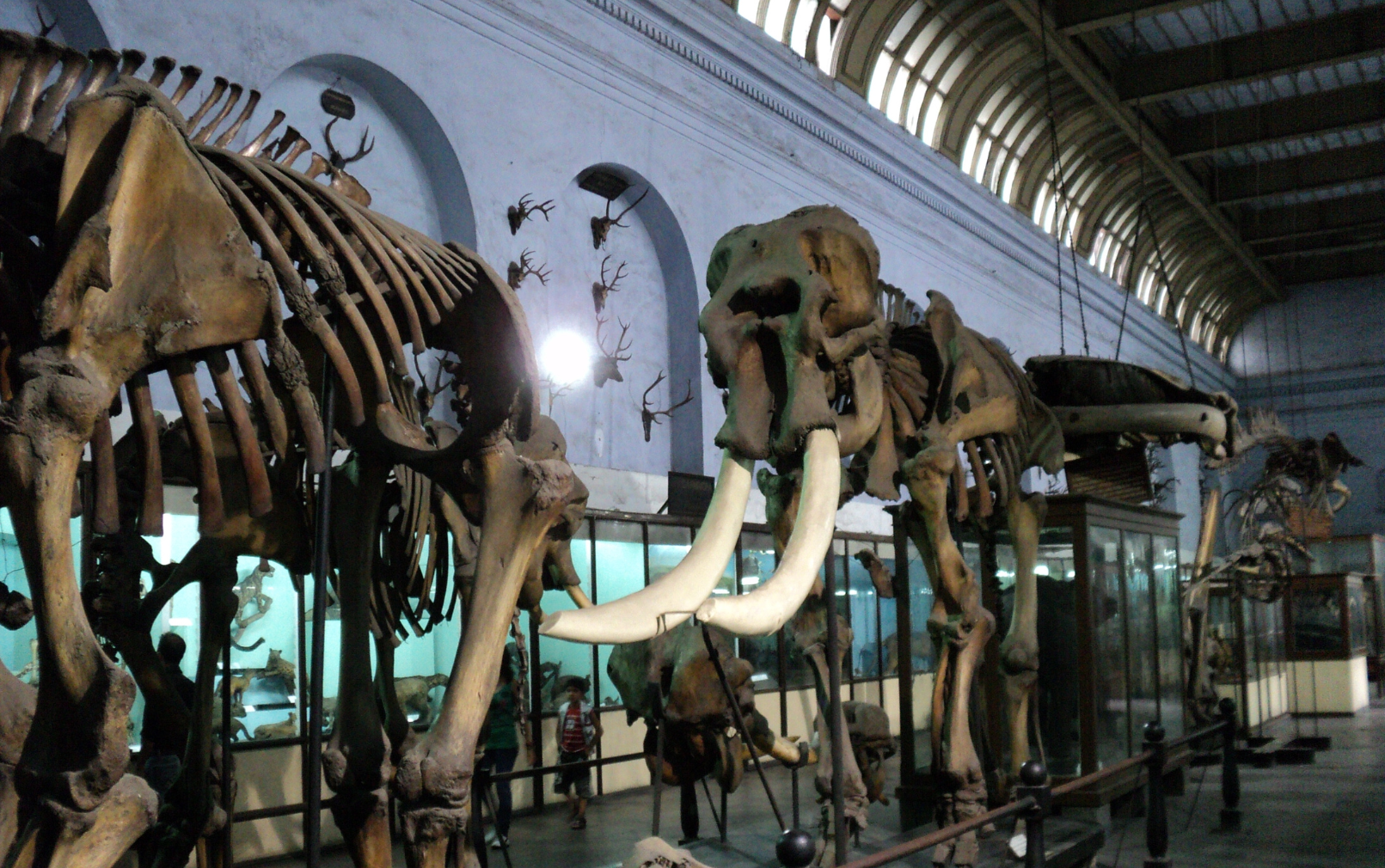
(L-R) A photograph of The Hall of Mammals published in Popular Science Monthly (Volume 71) in 1907; Mammals shot at the Museum in 2011
Chhatrapati Shivaji Maharaj Vastu Sangrahalaya, Mumbai
With a sprawling wonder in the east, the prominent citizens of the Bombay State (the likes of Sir Pherozeshah Mehta and Sassoon J. David) called for a cultural mammoth of its own in the west in the early 20th century. Now, more than a century later, CSMVS — the erstwhile Prince of Wales Museum — amasses over 70,000 objects housed across numerous galleries, with the collection including Indian and European paintings, Chinese and Japanese artworks, sculptures, and textiles.
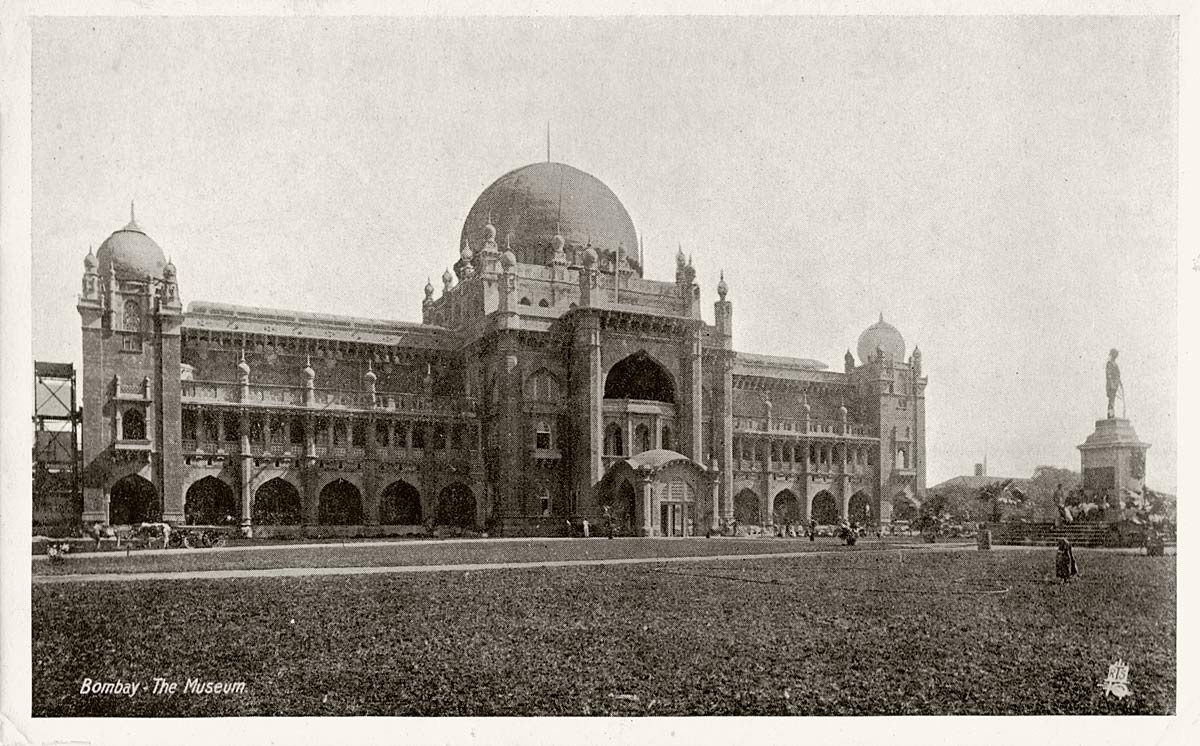
A Raphael Tuck & Sons London (company) postcard depicting the erstwhile Prince of Wales museum in 1915, converted into Red Cross Military Hospital during World War I. Image courtesy of Paper Jewels
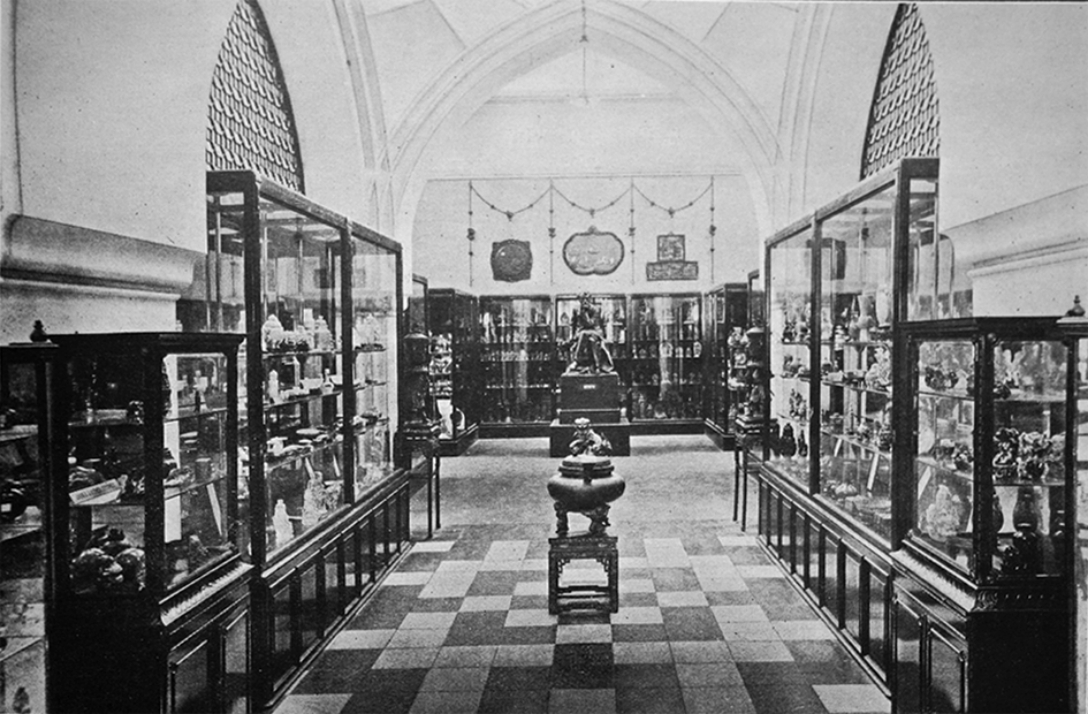
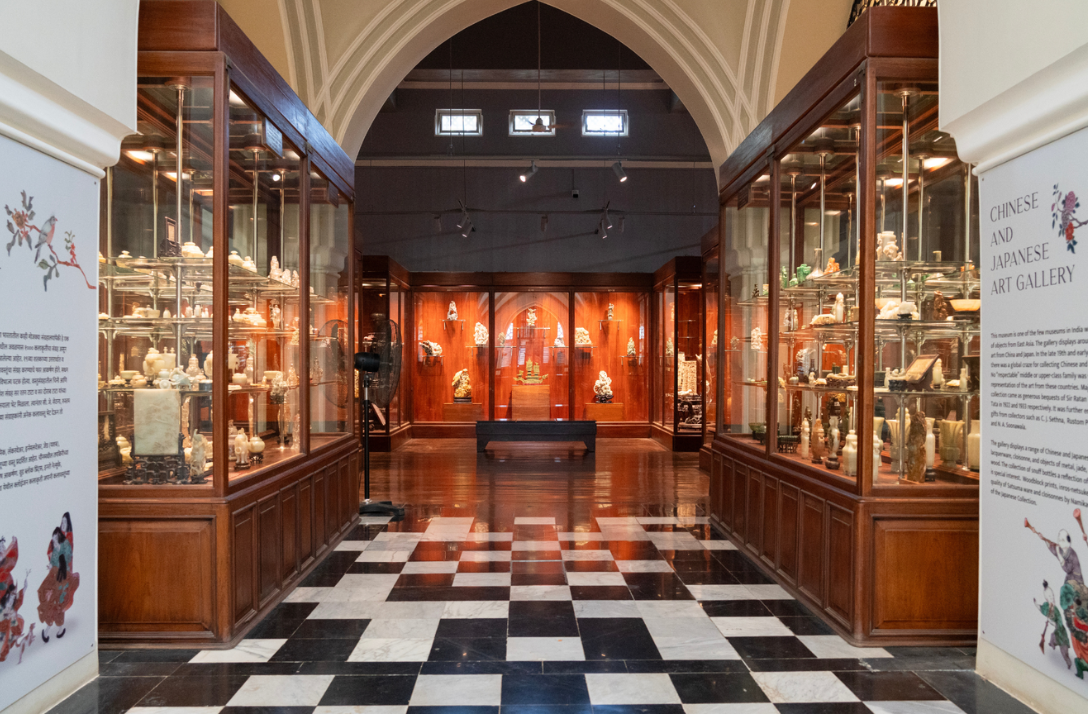
(L-R) The Chinese and Japanese Gallery at CSMVS photographed in 1928 next to its present condition. Images courtesy of the Museum
At the time of its inception in 1922, the museum had assembled three essential collections. The first, was a purchase made for the collection of Seth Purushottam Mavji — Jain merchant and philanthropist — where the museum came to own his collection of Indian miniature paintings, Maratha textiles, arms and armour. His treasure was at first the loot of Nana Phadnis, the 18th century statesman of the Maratha Empire. The next seths to forever cement their name on the museum facade, offered up their collection as a bequest. Sir Ratan Tata, son of Jamsetji Tata, offered up his collection in 1922, followed up by his brother, Sir Dorabji Tata in 1933, totalling the gift to 5,161 eclectic artefacts. To this date, their bequest has been the largest one received by the museum in their history. In fact, Nilanjana Som, the Curator of the Arts collection notes, “Out of the present collection, most of the items have been generous gifts by patrons.” Detrimental to their robust archaeological collection, are the antiquities provided by archaeologists RC Banerjee and Sir Henry Cousins, which includes excavations from Harappan and Buddhist sites.
As the museum came in possession of its first artefacts, the curators of the time were determined to make CSMVS a global institution, a vision that the present representatives have realised with their strong collaborative networks with the British Museum, Benaki Museum, and the Reitberg Museum. “We are very conscious about the fact that culture makes shifts and we need to be aware of present histories. So, we have always collected contemporary artwork as well. Of late, we have started collecting folk art,” Som shares.
Salar Jung Museum, Hyderabad
While CSMVS’s inception reflects the business barons of Bombay state, the Salar Jung Museum in Hyderabad captures the tenacious nature of one’s family collecting habits. Salar Jung was merely a title bestowed upon a generation of ministers serving the Nizam of Hyderabad, a prime minister equivalent. Three generations spent their lives travelling and collecting, resulting in a museum that now boasts over 46,000 art objects, 8,000 manuscripts, 60,000 printed books.
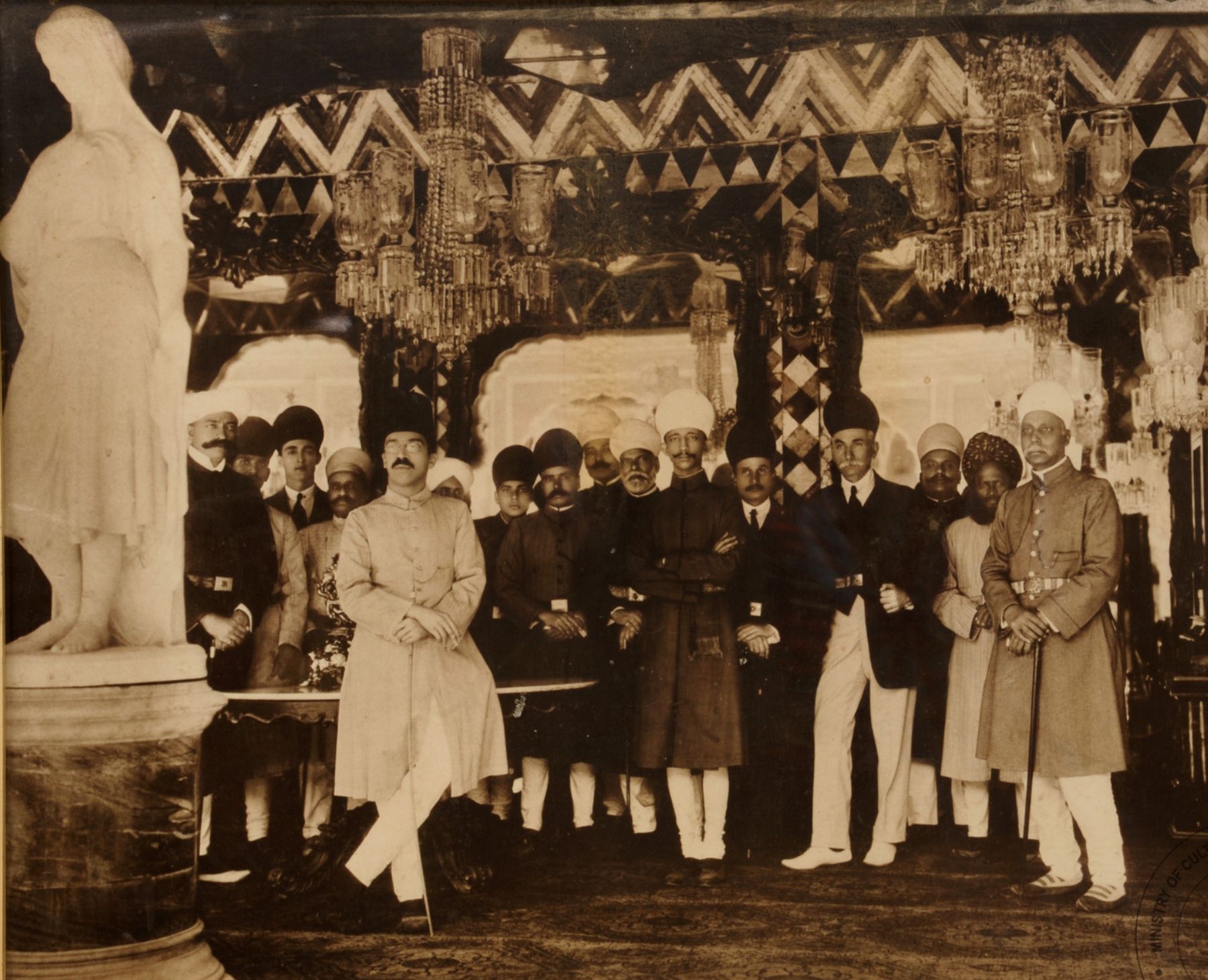
Salar Jung III and Nizam VII of Hyderabad, Nawab Mir Osman Ali Khan pictured with the Veiled Rebecca at Dewan Deodi, the Salar Jung’s Ancestral Palace. Image courtesy of the Museum
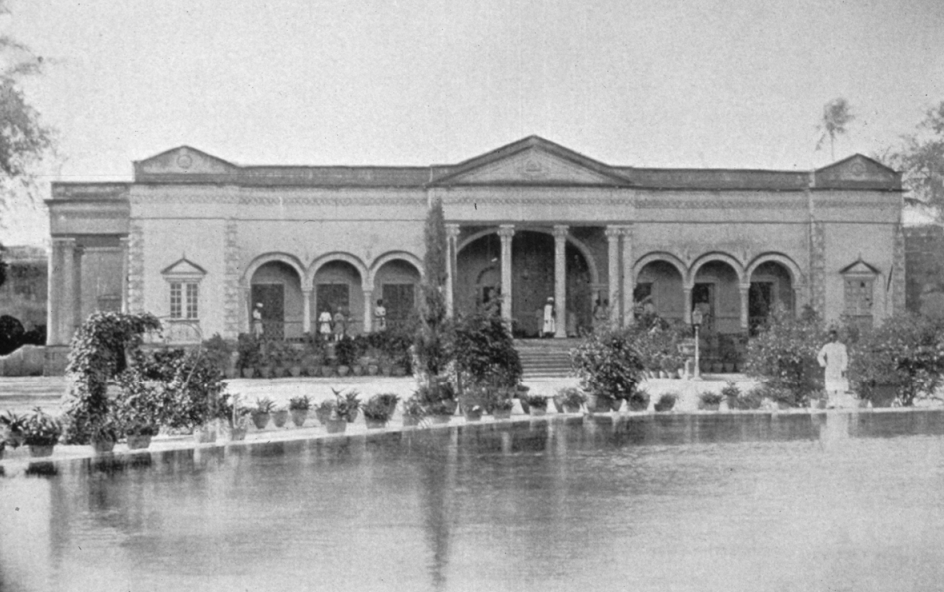
Dewan Deodi in 1898 — the palace became the museum’s first building, later shifted to its current location. Only the gates of the structure remain standing today
Formed in 1951 after the government took over the collection from the descendants of the family, this Institution of National Importance houses items dating back to the 2nd century BCE, with distinctive Indian, European, and Middle-Eastern artefacts. It was Salar Jung I who started this collection — Nawab Mir Turab Ali Khan made his travels to India and abroad, bringing back the Veiled Rebecca sculpted by Italian artist Giovanni Maria Benzoni, from Rome, Italy in 1876. While Salar Jung II wasn’t particularly dedicated to the arts, his son, Mir Yousuf Ali Khan, Salar Jung III, inherited his grandfather’s collection, and his penchant for culture. After resigning from his administrative position, he too, took to travel to Europe, West Asia and Far East, collecting rare items. Joyoti Roy, Curator (Education), at SJM recalls his time in Egypt, “We have a relatively smaller Egyptian and Syrian Gallery, but a major attraction is the replica of Tutankhamun’s throne. This was a worldly man who kept up with events of cultural significance, collecting pieces of history as the British archaeologists excavated these sites.”
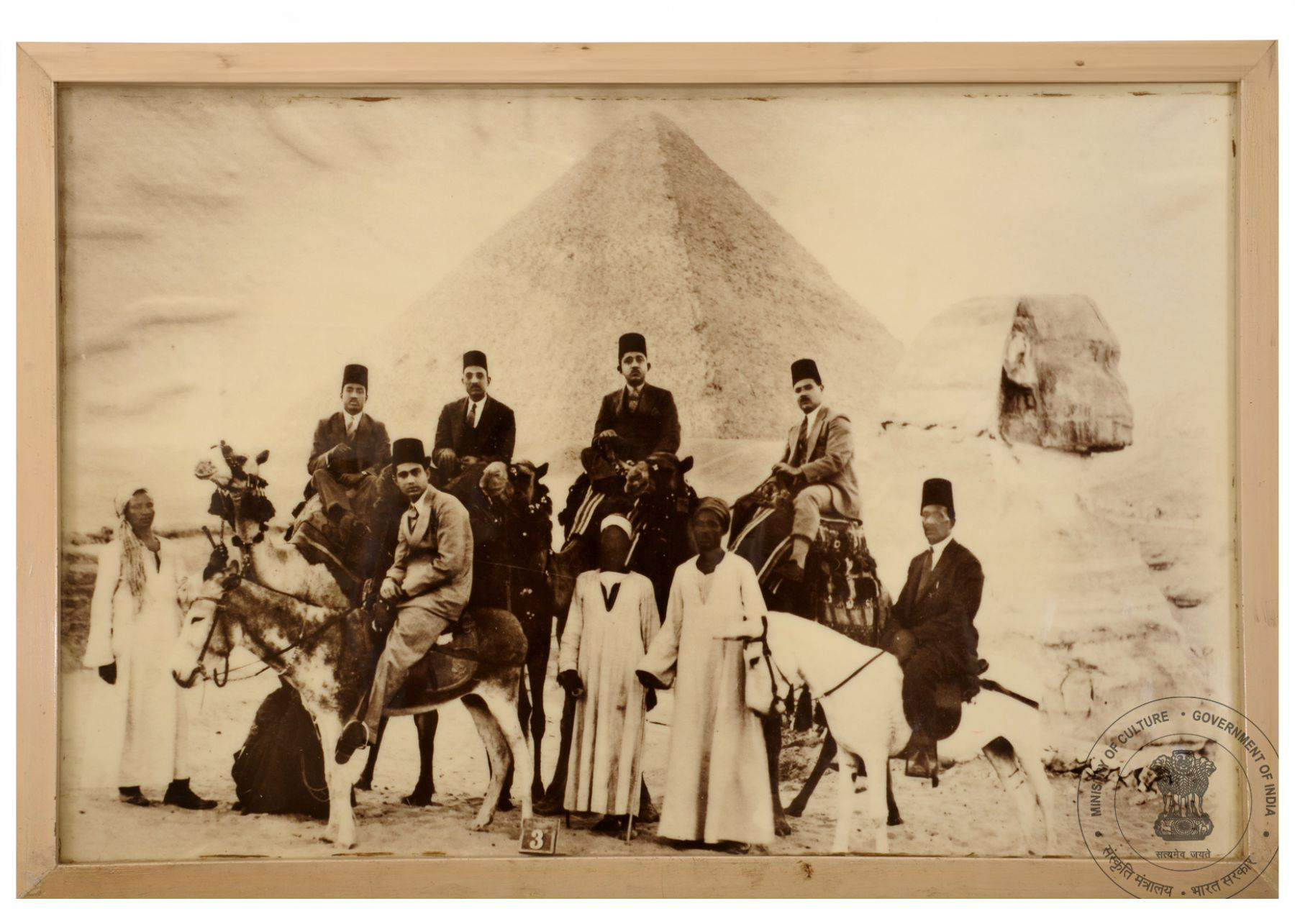
Salar Jung III at the Pyramids in Egypt in 1928. Image courtesy of the Museum
The acquisitions committee has added contemporary and modern Indian art to the museum over the years, including works of Thota Vaikuntam, MF Hussain, and Raja Ravi Verma. They have also acquired Chola bronzes and Buddhist sculptures. As the museum celebrates its 75th anniversary, Roy explains the next direction for this private turned public endeavour, “As a museum in the South, it is important to us to reflect local history,” she asserts.
Words by Tanya Syed
Featured image courtesy of Salar Jung Museum