There’s a certain joy in being a tourist at home.
It helps you discover the familiar with new eyes, while embracing new experiences.
I grew up in Goa. The place is my home, and is inextricably tied to my identity. On my return, after years of living away, I started looking at Goa through new eyes; of a tourist. It led me to re-examine and appreciate everything I took for granted as a child; food, places, music, art, culture, and people.
In the process, I learned a lot about my home, my land, and my heritage.
My explorations of Goa have been fuelled by a desire to recollect and to treasure these pieces of my heritage before they are lost. Goa is constantly changing, an evolution that isn’t necessarily for the betterment of my home.
These, then, are my discoveries of home.
Azulejos: From Persian Origins to Goan Doorways
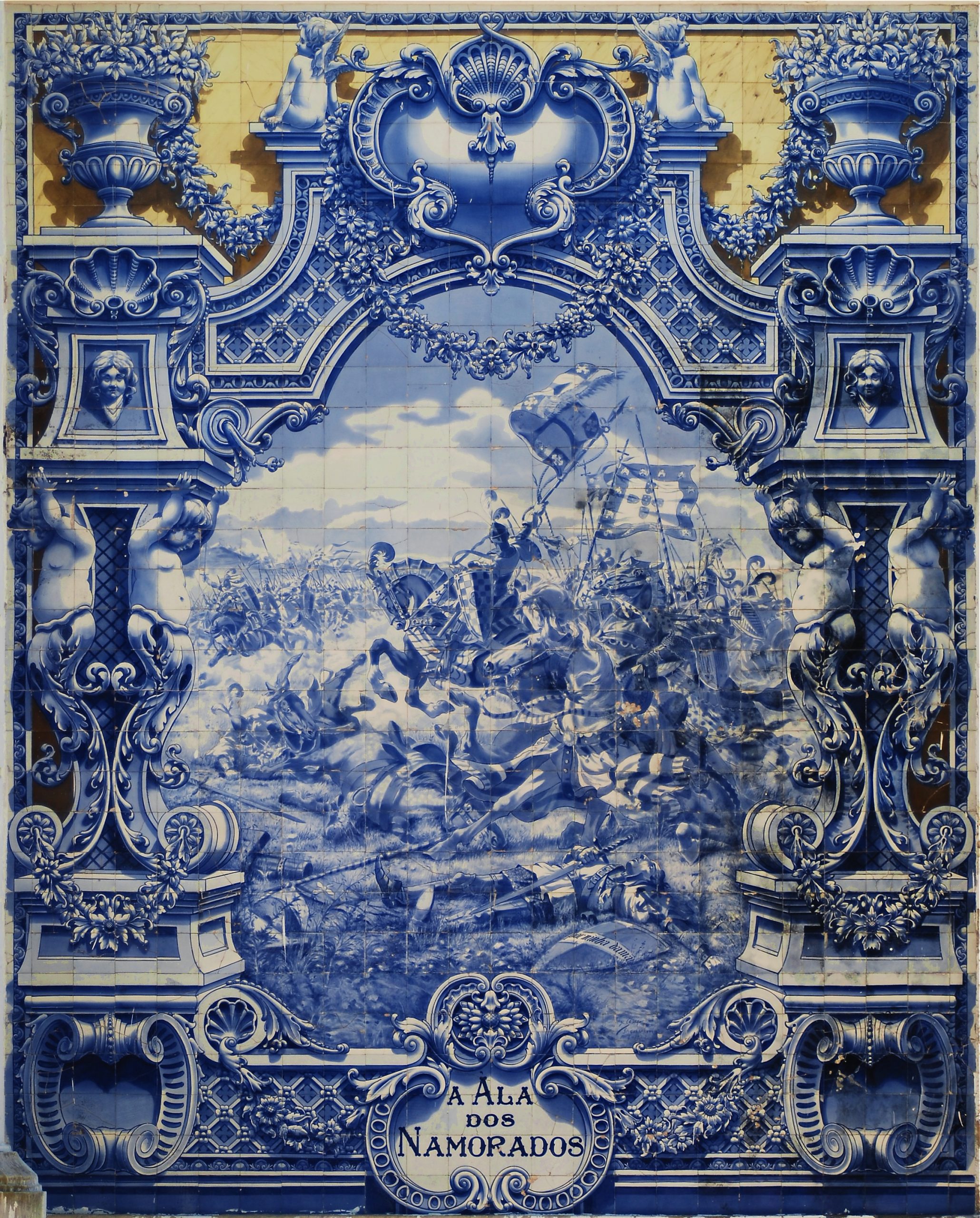
The one architectural feature that always caught my eye in old homes and in some churches (and institutions): the blue-patterned tiles called azulejos. These ceramic glazed tiles are an art form that came to us via the Portuguese and trace their origins to Persia. On heritage walks through Goa, particularly Fontainhas, I started observing these tiles. Initially, they were just name plates, proudly put up outside each door. Then at Institute Menezes Braganza in Panaji, I found a fabulous mural of painter Jorge Colaço’s work, a depiction of a poem. A visit to a concert at Madragoa introduced me to Orlando de Noronha, and his Azulejos de Goa (where he teaches people how to paint them). There, I also found Mario Miranda tiles — Miranda is one of Goa’s finest artists, and known for his humorous depictions of daily Goan life. Those make for the best mementoes, an art the Portuguese brought to Goa, now depicting Goan life.

(Top) Madachem godd — coconut sap jaggery sweetening dodol and festive treats alike; (Bottom) Oyster Shell Windows — before glass arrived, shells kept out sun and prying eyes.
Oyster Shell Windows: Softening Sunlight Through Mother-of-Pearl
My ancestral home has two windows that feature another unique characteristic of Goan architecture: window panes made with mother-of-pearl or nacre, called capiz, carepa or calva chi zonellam. I’ve found these shells at certain beaches and admired their pearly translucence and the way they catch the light. A little digging revealed their history and use: people used them before glass — being translucent, they allowed light to filter through but kept out prying eyes and the harsh sun. Seeing them today, in older homes like mine, reminds me of the ingenuity and creativity of people at that time — to use something found in abundance to create something so beautiful. Today, they are a rare sight, owing to the ban on harvesting the shells.
Madachem Godd: The Dark Sweetness Defining Goan Desserts
The one thing I love eating in Goa is a mixture of jaggery and grated coconut. This is not a dish but rather a filling for certain dishes. I eat it plain because it is delicious and a reminder of the bounty of Goan produce, namely the madachem godd (literally, sweet from the tree). It is the dark, pyramid-shaped jaggery, made from the sap of the coconut tree. It is a staple feature at Mapusa’s Friday market, standing tall and proud. This is the prized ingredient that adds the colour and flavour to many popular Goan Catholic sweets, the wobbly dodol, the crumbly pinagr, the steamed patoli, and the pancake alle belle. Interestingly, I learned about a curious practice that made me treasure this mixture even more: on the first of August, Goans would eat a small mixture of coconut and jaggery to sweeten the mouth, believing it would bring them good luck for the month ahead.
Teffal: A Numbing Answer to Sichuan Pepper
There isn’t a single mackerel fish curry I’ve eaten in Goa that doesn’t feature the small, round, black teffal or teppal. Goans consider it their Sichuan pepper, though it comes from the Indian prickly ash tree. These small round peppercorn-like berries are an integral part of Goan fish curries. The red fruits are sun-dried, and the seed is thrown away — only the pericarp is used. I would find these teffal at the market, a mountain of black in a basket. We didn’t use it a lot, only with certain oily fish like bangddo (mackerel). It was at a friend’s house that I truly learned about the depth of this spice — how it is used with oily fish as it helps reduce its ‘fishiness’, how pounding it a little releases its oils and its strong, woody aroma with citrus notes, and how it has a numbing effect on the tongue if eaten plain.

Handblown garrafões with broad bellies storing feni and collector’s pride alike.
Garrafões: The Green Containers Holding Goa’s Spirit
On my first visit to Hansel Vaz’s Fazenda Cazulo in South Goa, I was mesmerised by his cellar’s collection of handblown glass containers called garrafões. These containers — heavy and slightly opaque with a green tinge, featuring a large belly and thin neck — were used for storing feni. I didn’t find any in my home but I started noticing these stored in the corners of others’ homes, at the All About Alcohol Museum, the Houses of Goa museum, and hanging like a showpiece at Jamun Goa. It was Vaz who taught me about their importance and how they are now a collector’s item, treasured by the few who have them and still storing feni.
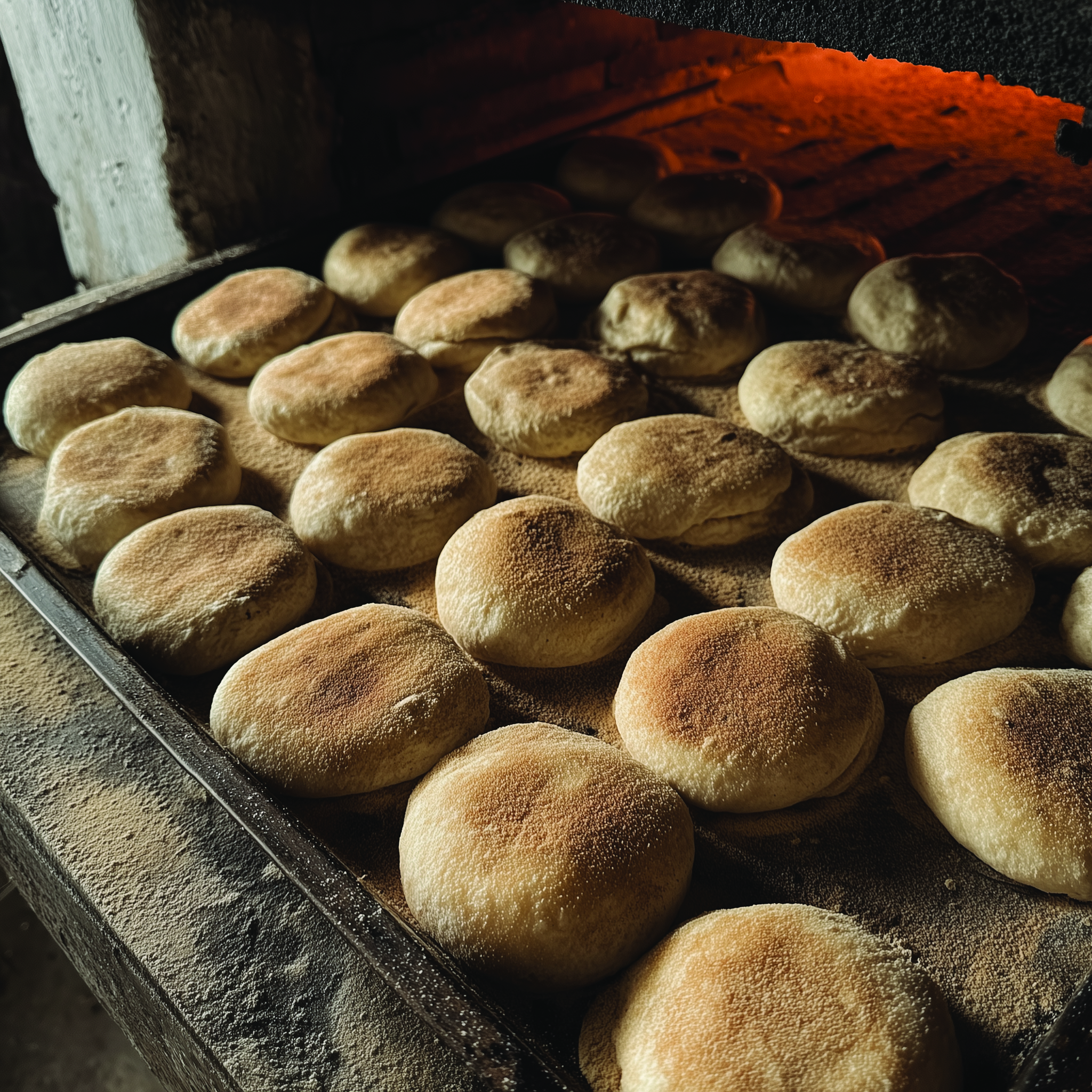
The flattened defining Goan morning, mopping up curries and cradling popular Poee.
Poee: The Ideal Carb Companion
Is there a better depiction of life in Goa than the poder on his cycle bearing a basket of gifts (read: bread)? The flat unleavened bread dusted with wheat bran is the ideal carb accompaniment — a pocket that can hold choris (Goan sausages), beef cutlets, or mop up any kind of curry. Traditionally, the Goan poee is fermented using toddy and made using wheat flour, though that’s rare today. I’ve eaten poee everywhere in Goa. I have also been fortunate enough to visit bakeries and see the dough being kneaded, dusted with bran, and then slid into an oven. There’s a great joy in buttering fresh poee straight out of the oven.
Words by Joanna Lobo
Visuals by Vritika Lalwani