For The Guardian, author Nell Stevens discusses her fascination with the question of fakes in art, but also the way we as humans feel in their presence. She points out that what moves us in art perhaps isn’t provenance, it is presence, and that the fiction is part of the feeling.
But while the premise of art might often come off as fiction, there are artists who are creating work from just their reality. Here, the catch of consumption is its transportation to their reality — not just your own. Case in point: Hashim Nasr.
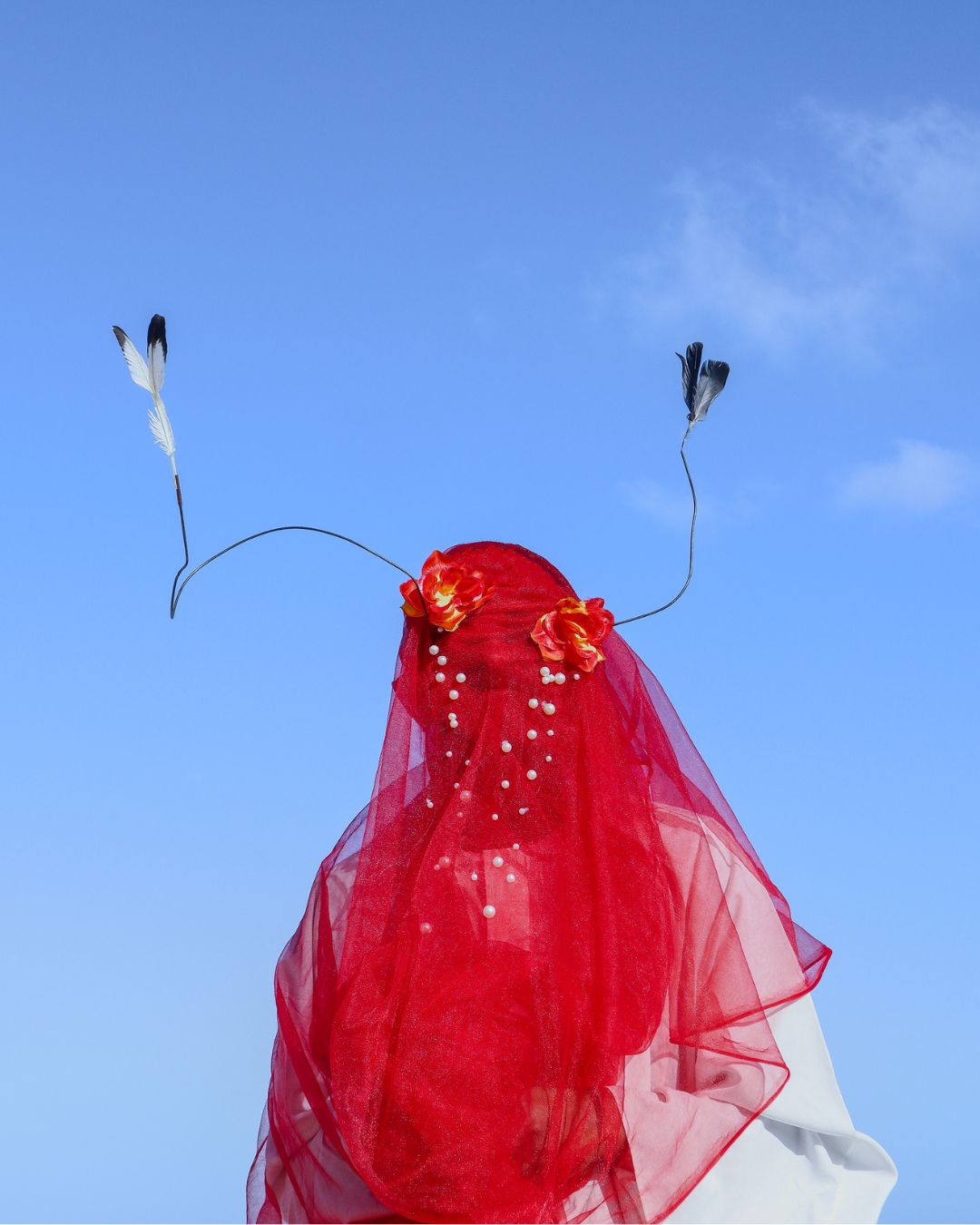
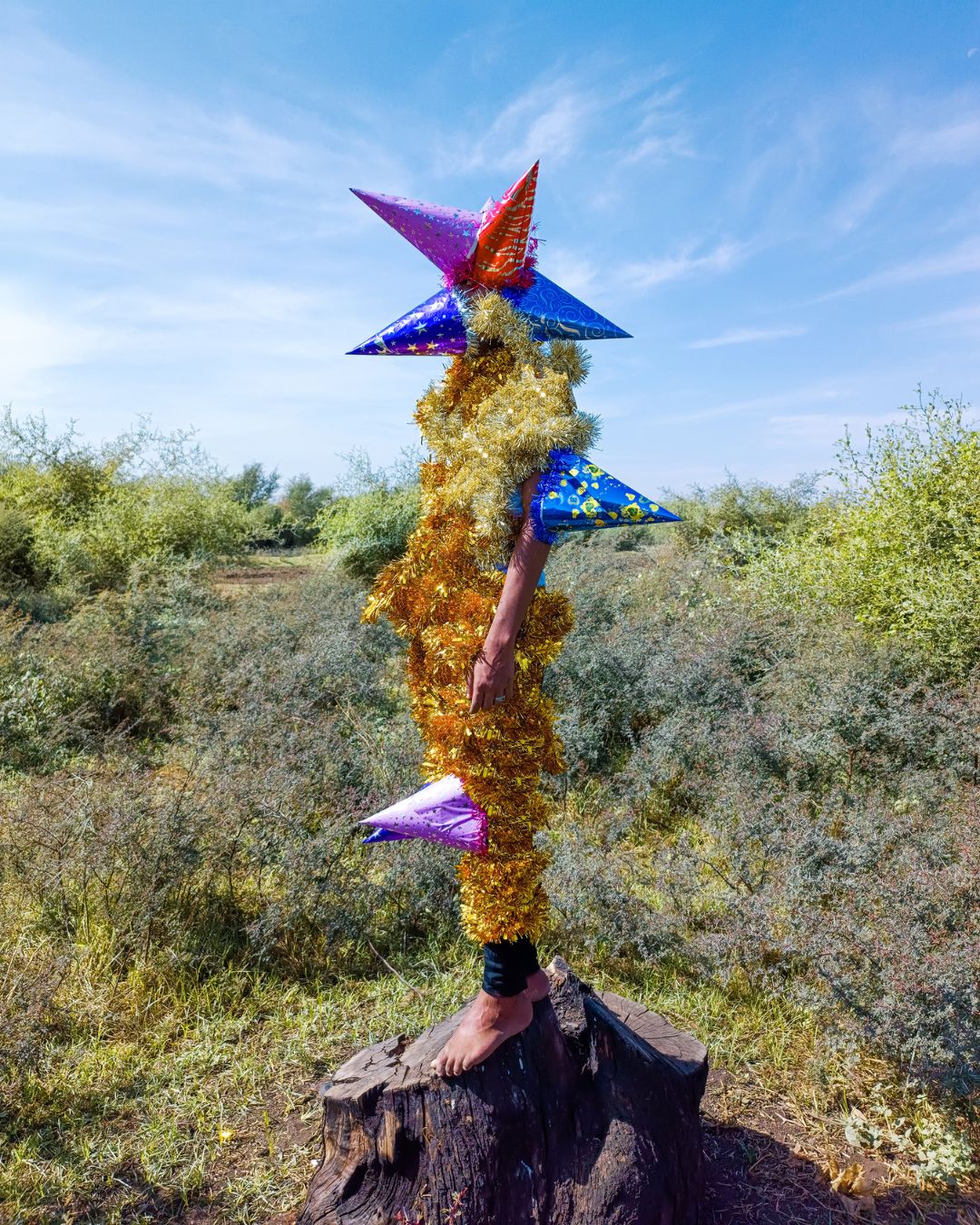
1: Spirit of Resilience; 2: A Glimpse of Joy
Born in Khartoum, Sudan and now based in Egypt, Hashim is a practitioner of experimental storytelling through photography. Rooted in personal memories — of displacement, exile, and home, his process starts from mapping an idea onto a paper, to then building a scene. Characters are detailed, light is set, and the symbolic weight of the concept is derived through prop building and material administration. Bringing vibrancy to his vision guided by emotions is how Hashim’s process comes to an absolute finish.
“That emotional truth is what guides the whole process.”
It’s the connection we trace between Hashim’s work and the act of symbolism that piques our interest. “First of all, I have always been so passionate about art and fashion since a very young age even though I dreamed of becoming an editor.” With editorial dreams and changing realities, Hashim’s two interest avenues seem to collide and shape his modern day practice. His passion for fashion is reflected in his photographs through the form, silhouette, and the interaction of the body with fabric. “I don’t approach fashion in a traditional sense,” he says, and this does become apparent in his work through the study of bodies’ existence in space through materiality. Use of elements like headpieces, draped fabric, and conformative shapes is the key to stringing a visual narrative that hints at metaphor and evocativeness.
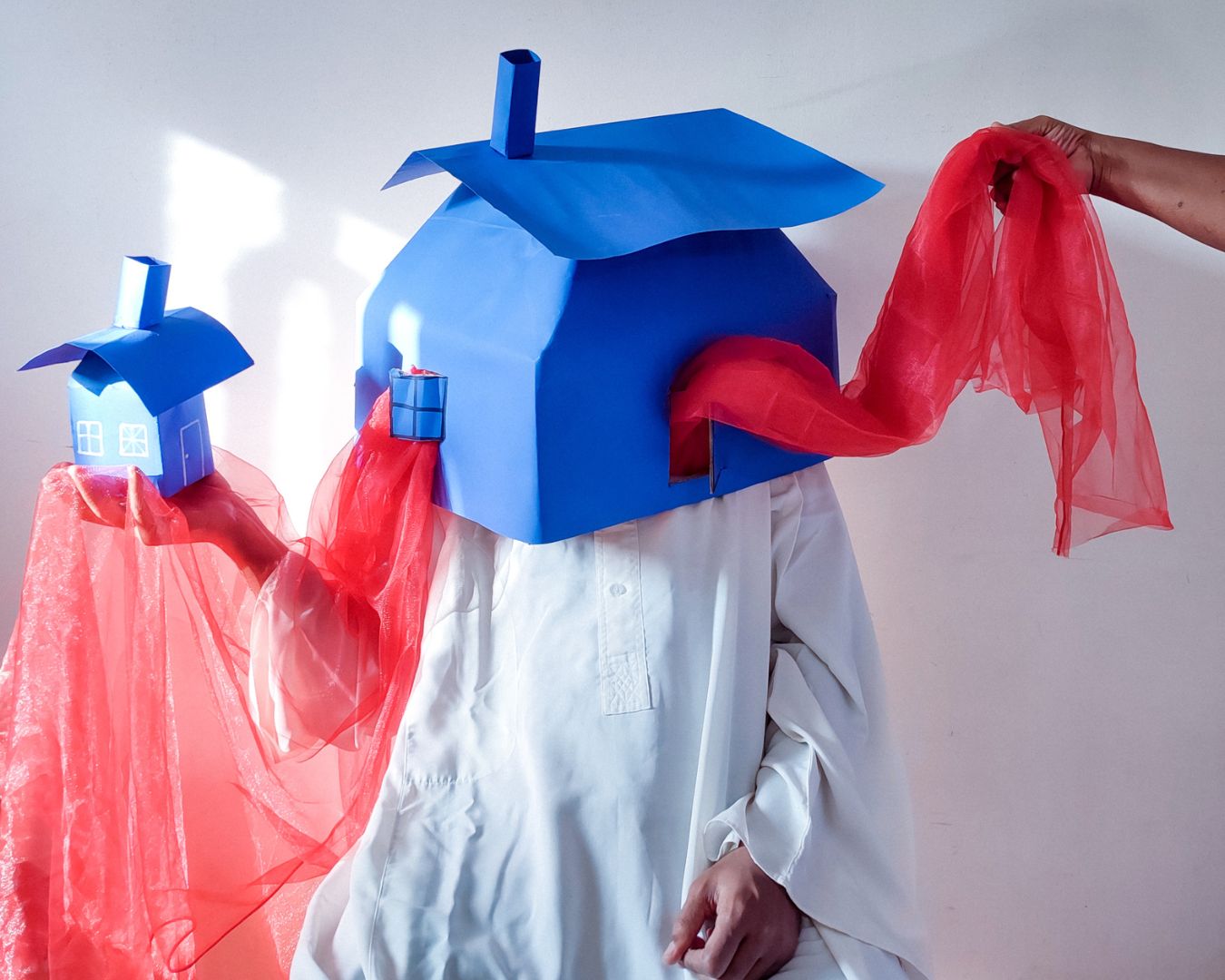
New Homes for Displaced Souls
“Materials are like a second layer of language in my work.”
Hashim speaks to the intuitiveness and re-sounding ‘belongingness’ as the driving force behind the choice of materials in his works. This materiality is an allegory drawn from emotional and cultural influences. Where complex themes of displacement, war, and exile are being addressed, the simple memory of a fabric from home comes into play in his work. Flowers, for him, are symbolic of decay and beauty, and their frequent appearance through his work is all personal to each of the surrealistic settings. Similarly, the bold cones over the head are not just a break in ocular synergy but the psychological state of a lived experience from austerity of displacement.
While symbols are decoded, the layered practice by Hashim is an invitation for all into a world of understanding the complexity of choices and experiments through materials, experimentation, and stories — all put together in a photograph.
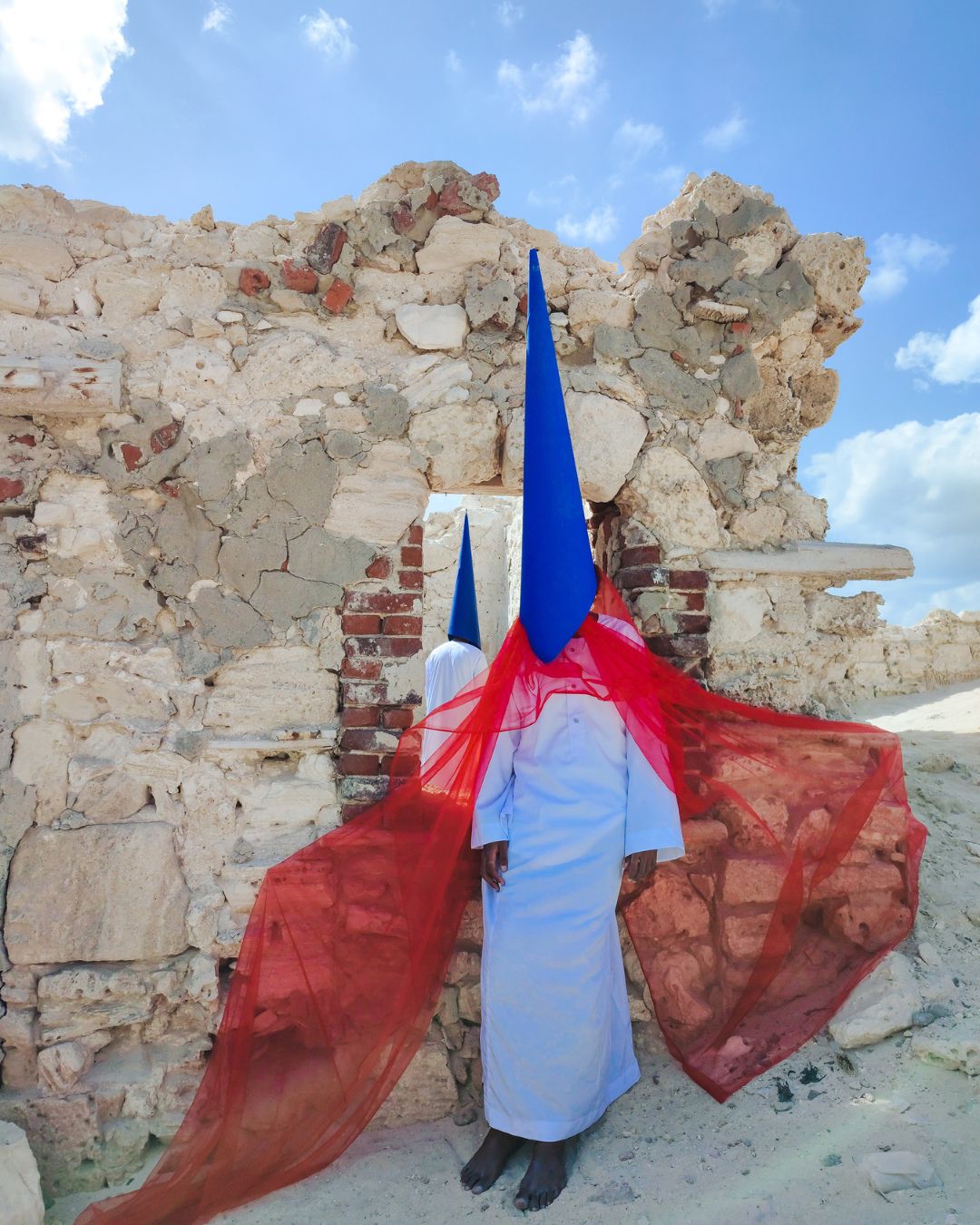
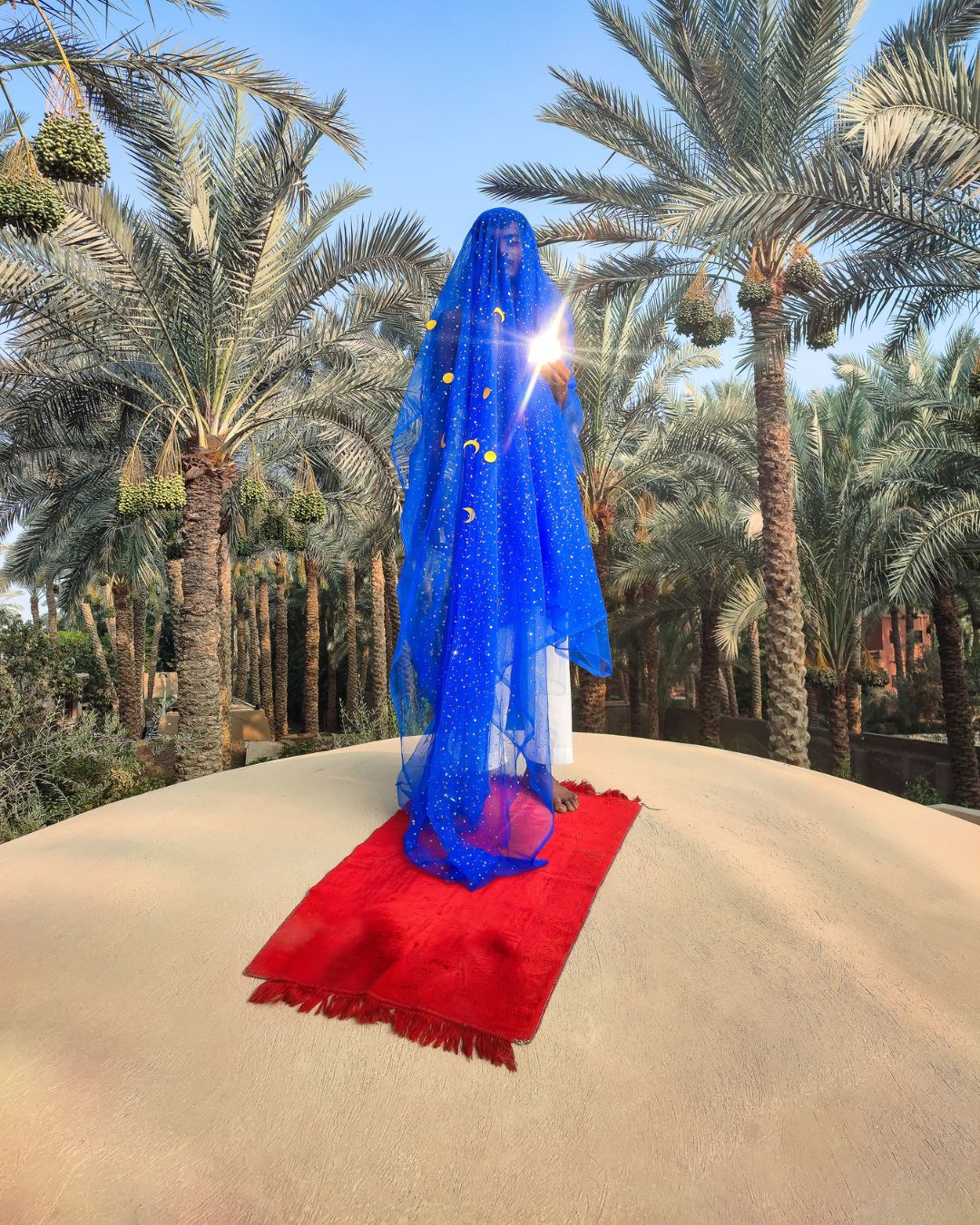
1: Remembering the Ruins; 2: The Shining: Dreaming of Sunrise
Hashim understands the power and goes on to mold his speech with allowances of ‘shifts’ — in identity, gender, and new symbolism rooted in fashion.
So perhaps the ‘presence’ of art that Stevens, as well as the audience interacts with is not simply born of fiction, but stories of complex human manifestations — in Hashim’s work, it is grief, pride, and belonging all wrapped in one.
Words by Tanya Chaturvedi
Feature Image Hashim Nasr’s Untangling Skewed Frequencies